The islands' first UNESCO World Heritage Site

UNESCO World Heritage in São Tomé and Príncipe

In July 2026, meeting in Busan, the UNESCO World Heritage Committee inscribed The Roças of São Tomé and Príncipe: Colonial Agricultural System and Forced Migration on the World Heritage List. It is the first World Heritage Site anywhere in the archipelago, and it protects six historic estates rather than a single monument.

SIX ROÇAS, ONE SITE

What was inscribed

The site is a serial property: one inscription made up of six separate roças, four on São Tomé and two on Príncipe.

  • São Tomé: Monte Café, Água Izé, Diogo Vaz and São João.
  • Príncipe: Sundy and Belo Monte.

Together they cover 72.9 hectares, with a further 452.4 hectares of buffer zone around them. UNESCO inscribed the site under criterion (iv), which recognises places that are an outstanding example of a building type, ensemble or landscape illustrating a significant stage in human history.

Chapel near Roça Sundy on Príncipe Island
A WORLD OF ITS OWN

What a roça is

A roça is not simply a farm. It is a self-contained world, laid out to a plan: the plantation land itself, the drying terraces and processing buildings, the narrow-gauge railways, the hospital, the chapel, the sanzalas where workers lived, and the owner's house looking over all of it. They are not ruins: communities still live on them, and two are hotels.

Coffee arrived first, in the eighteenth century. Cocoa followed, and by the early twentieth century these small islands were among the largest cocoa producers in the world. The architecture, the layout and the landscape still carry that system in physical form, which is why UNESCO recognised it.

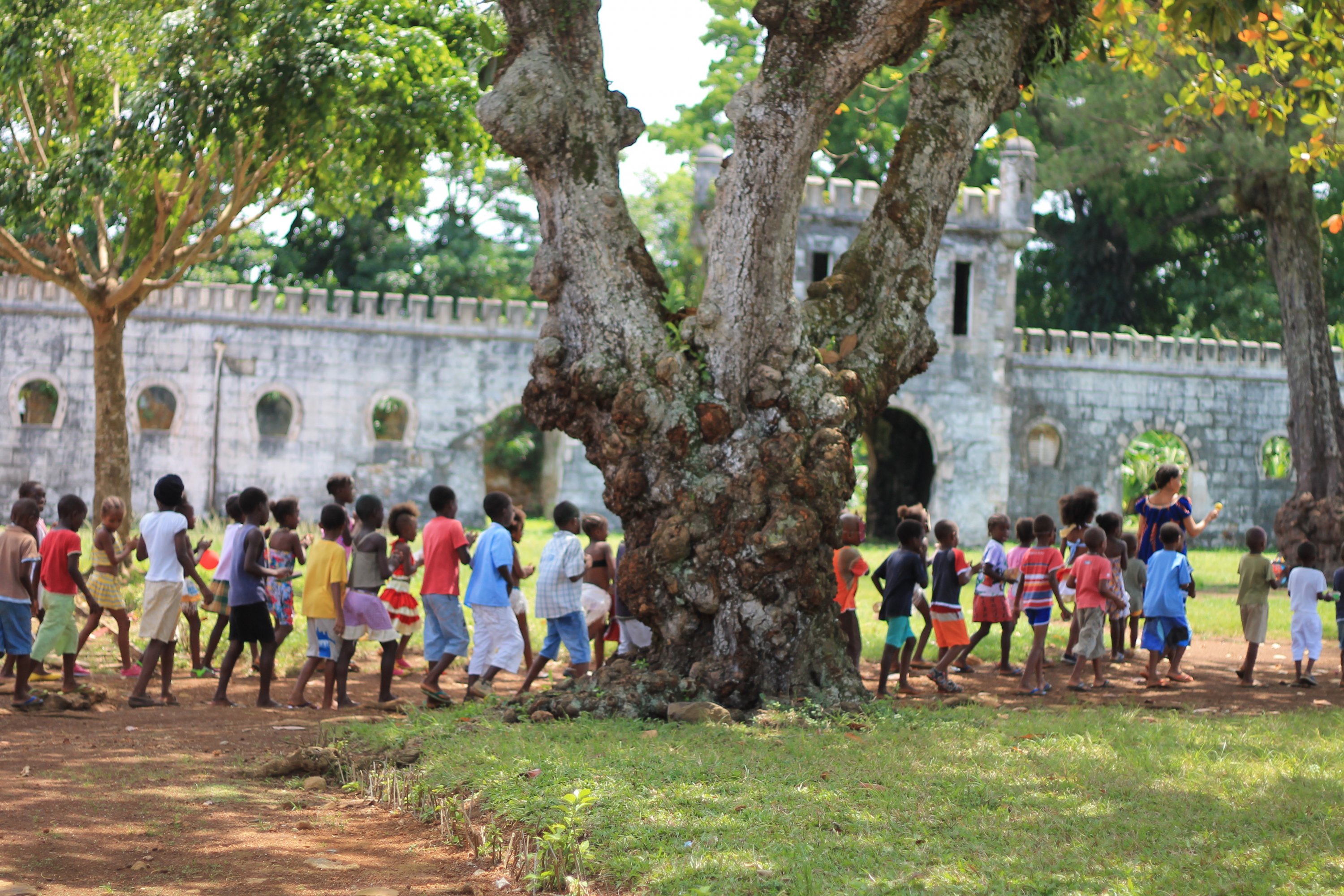
Locals sitting together under a tree in front of Roca Sundy on Príncipe Island.

The history behind it

The full title of the site includes the words Forced Migration, and that is deliberate.

Portugal abolished slavery in its territories in the nineteenth century, but the roças kept running. They were sustained instead by contract labour, and thousands of people were brought to the islands from Angola, Mozambique, Cabo Verde and elsewhere in Africa under conditions that were frequently forced in all but name. Many never returned home.

UNESCO recognised the roças precisely because they show, in built form, how a colonial agro-industrial system was organised around that labour to keep global commodity production going. This is not a footnote to the story of the islands. It is the story, and the descendants of those workers are the communities living on and around the roças today.

HOTELS AND RESORTS BY HBD PRÍNCIPE
BELO MONTE AND ROÇA SUNDY

The two roças in our care

Two of the six are Príncipe Collection hotels.

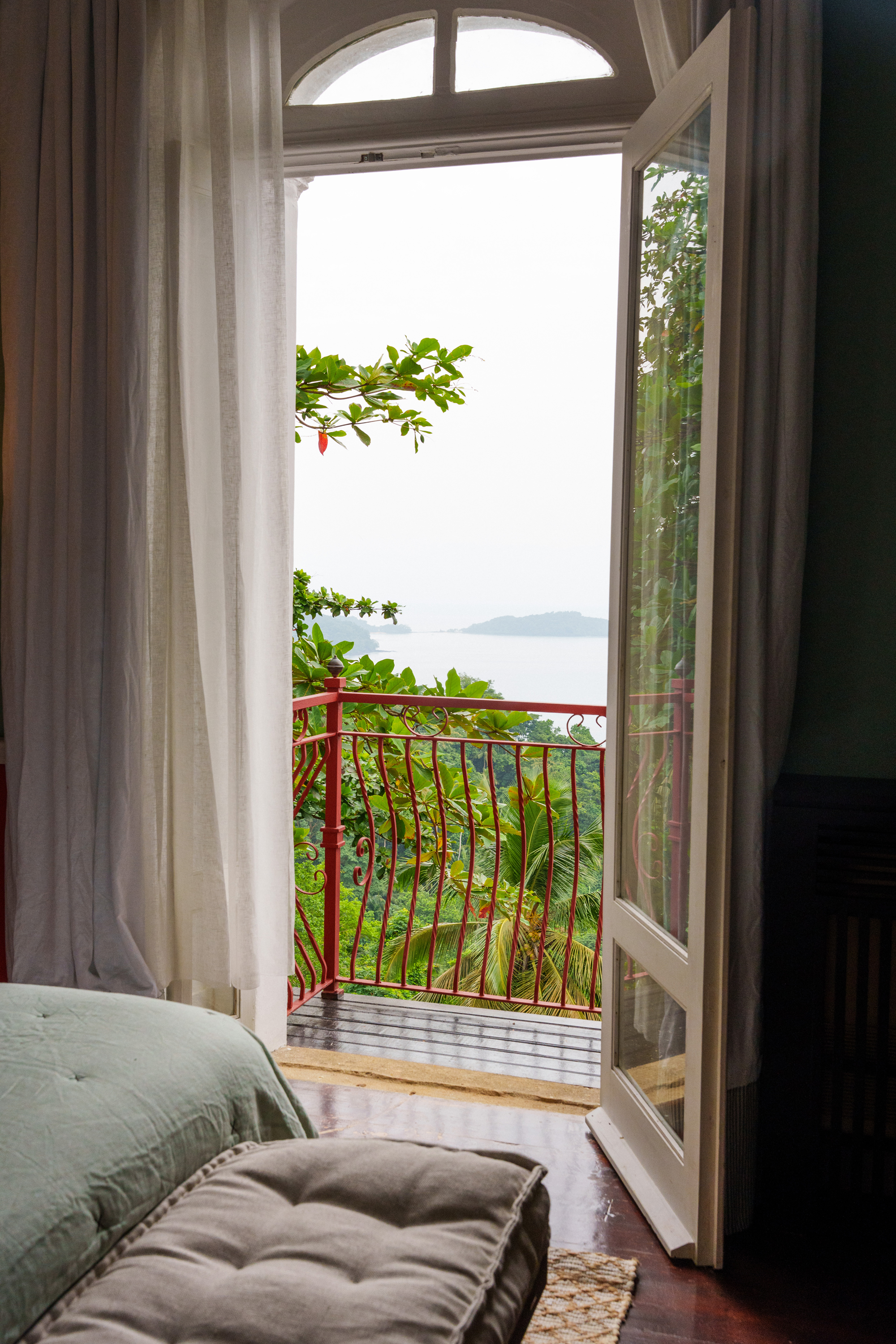
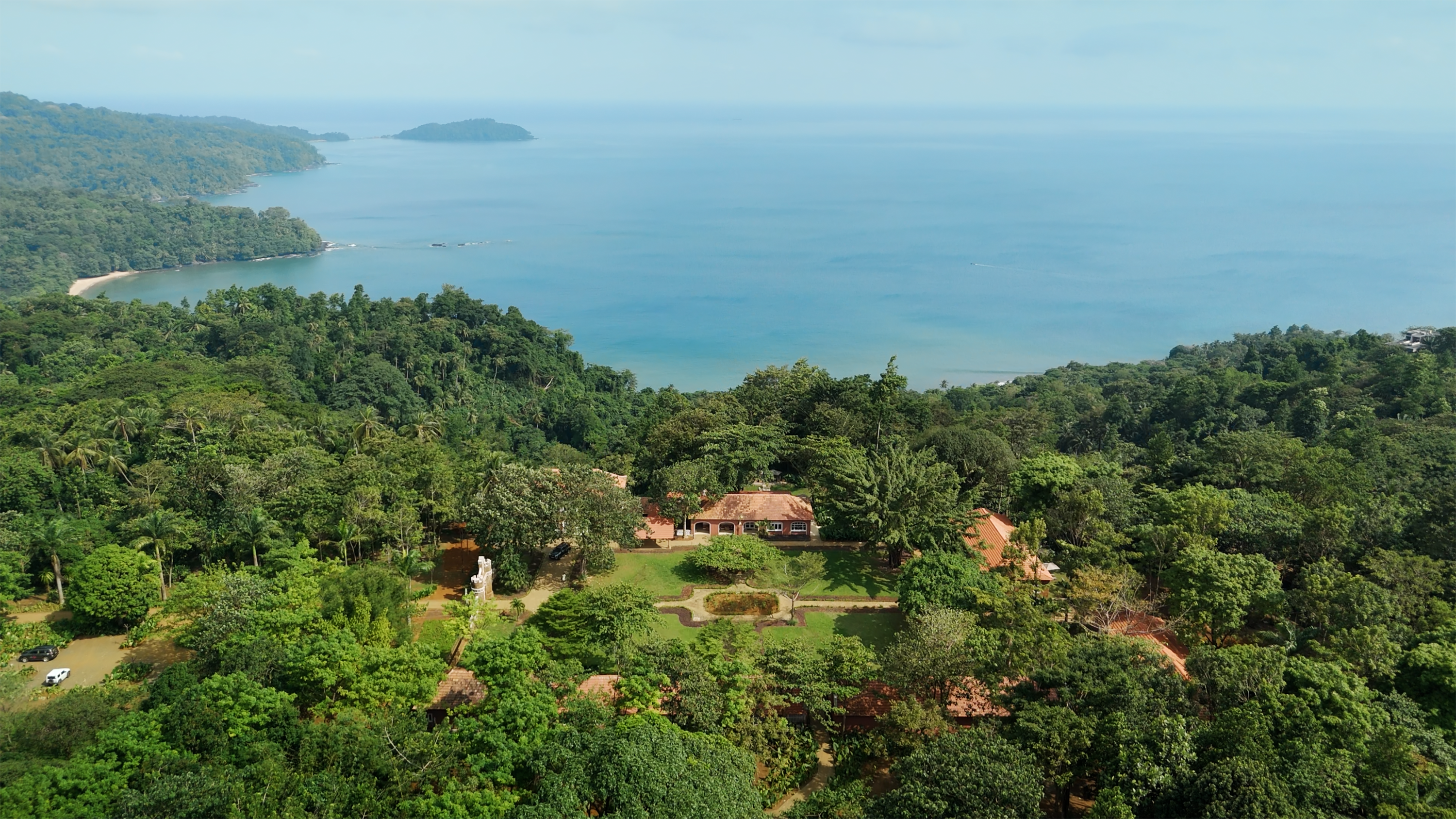
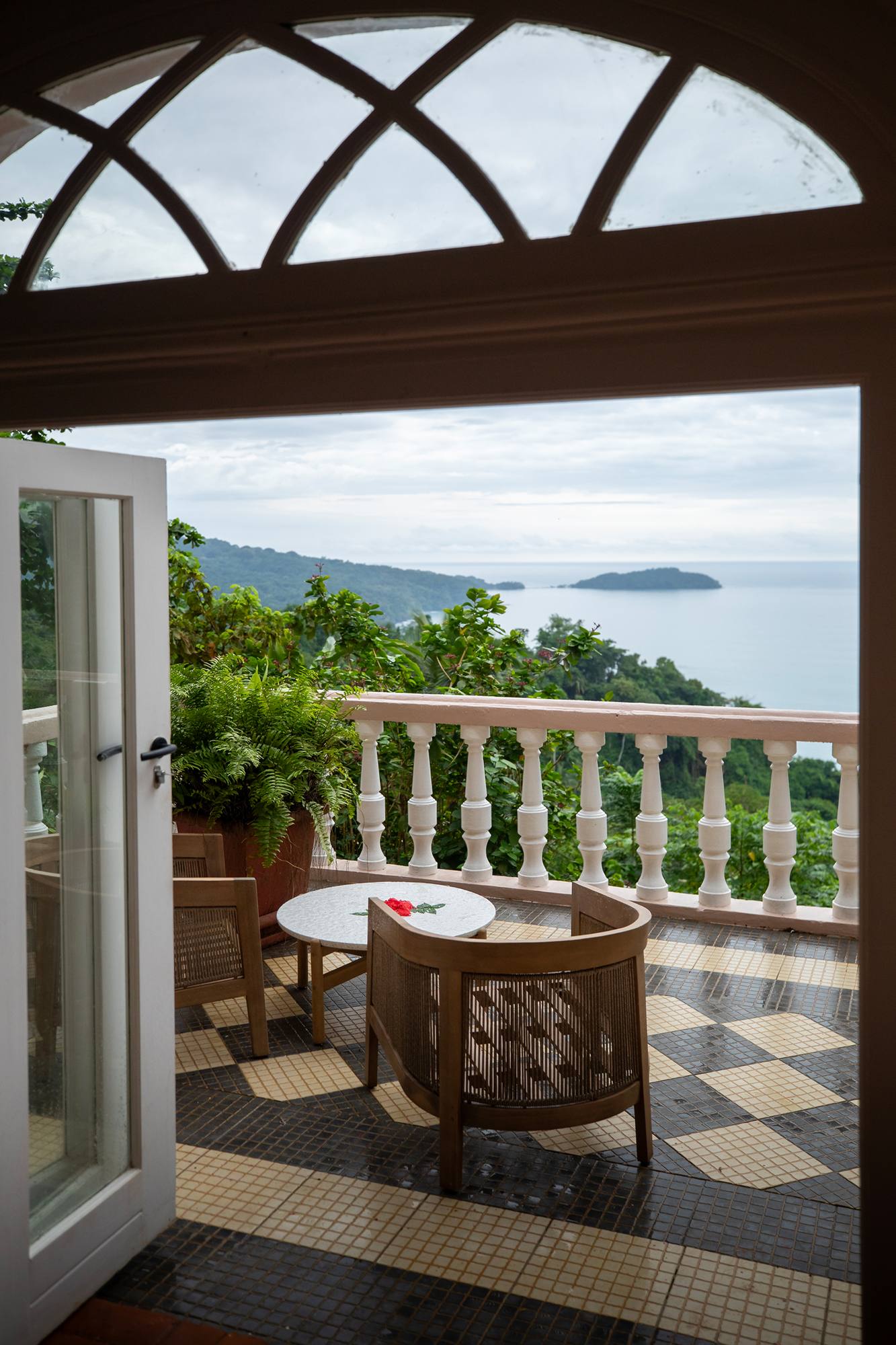
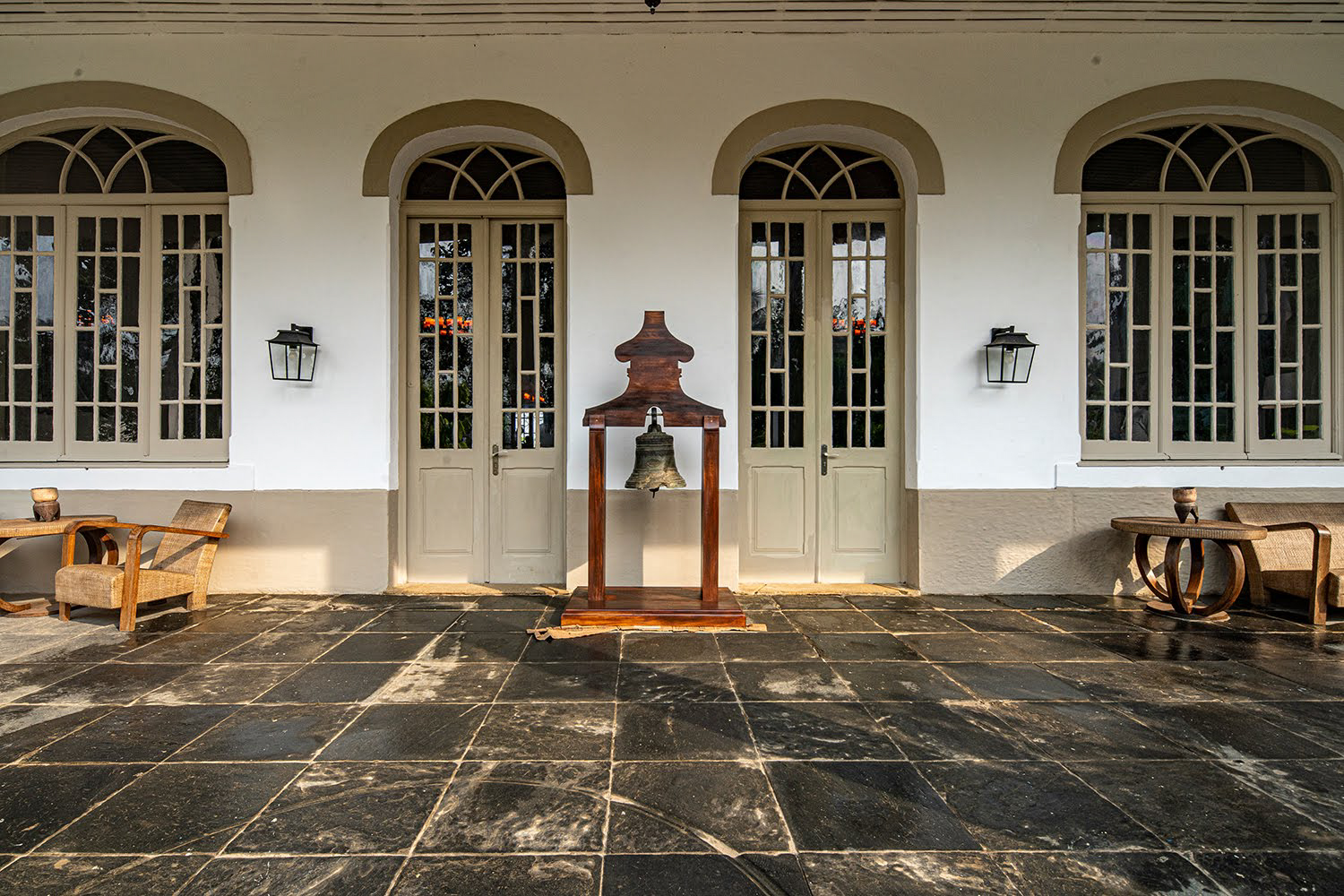
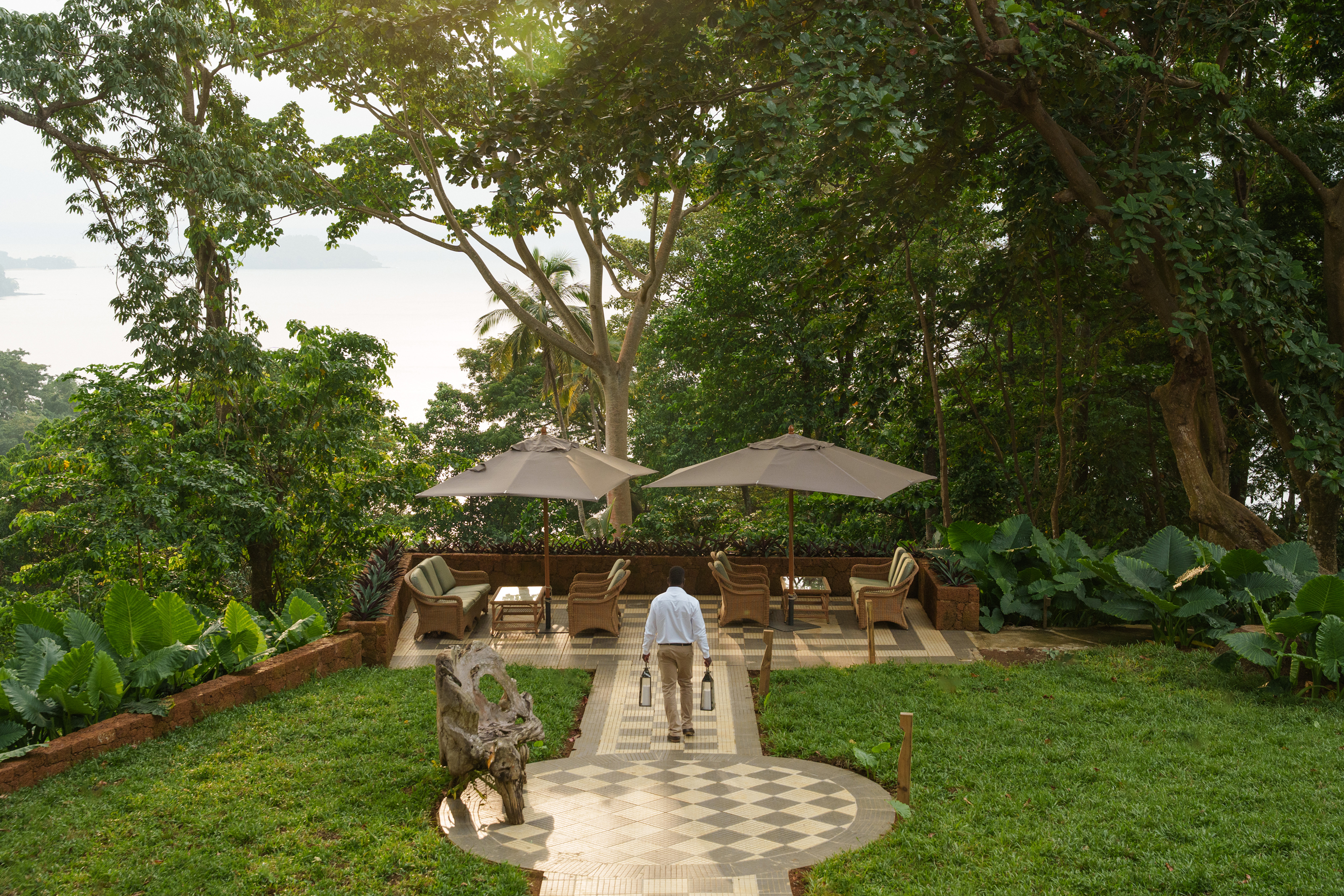
Belo Monte is a hilltop estate above Banana Beach, restored as a hotel of 15 rooms and open to guests.

Roça Sundy sits in the northwest of the island and is where Arthur Eddington's 1919 expedition produced the observations that confirmed Einstein's General Theory of Relativity. It is currently closed for an extensive restoration programme.

The other four are not ours, and the inscription now brings all six under a shared framework of protection.

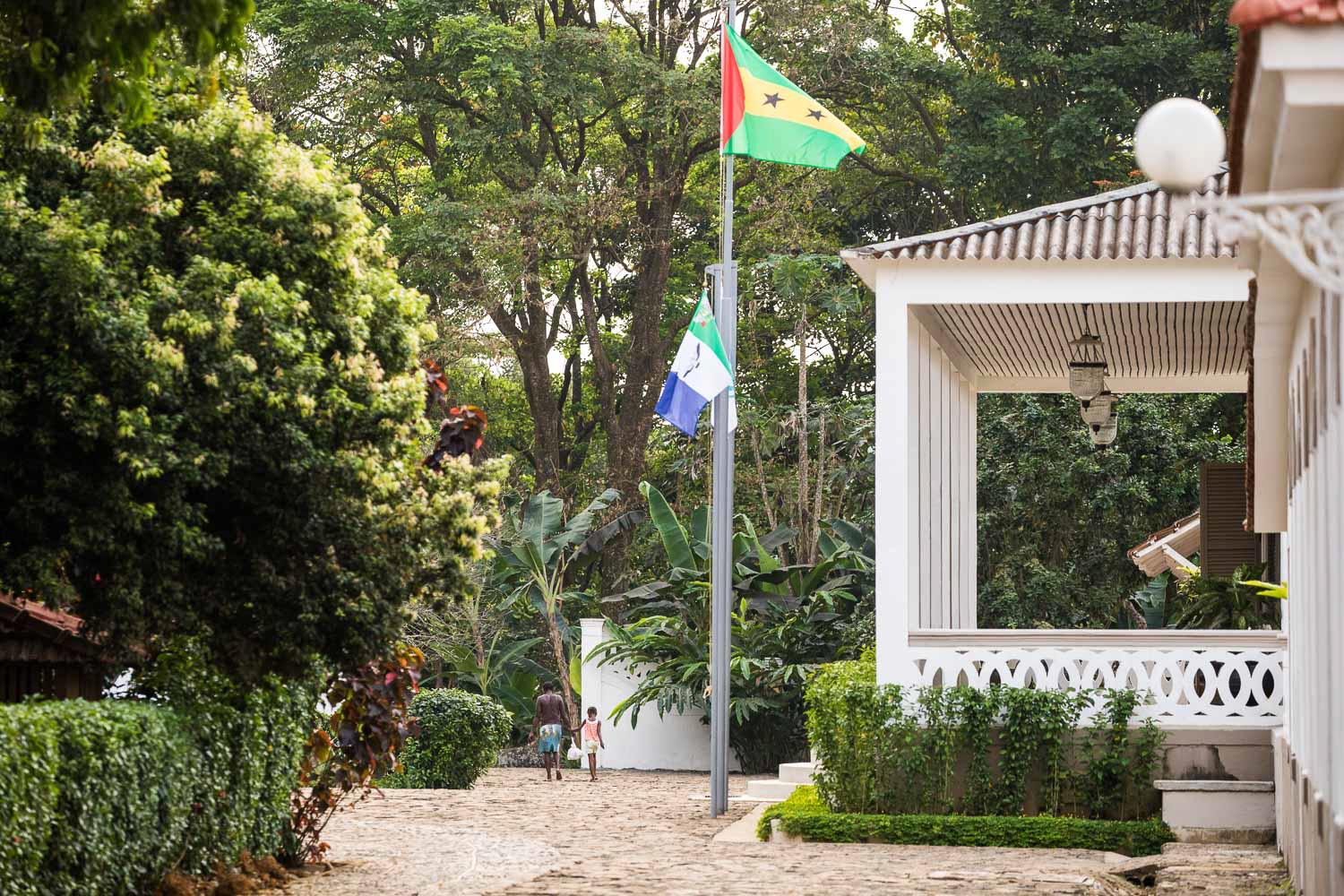
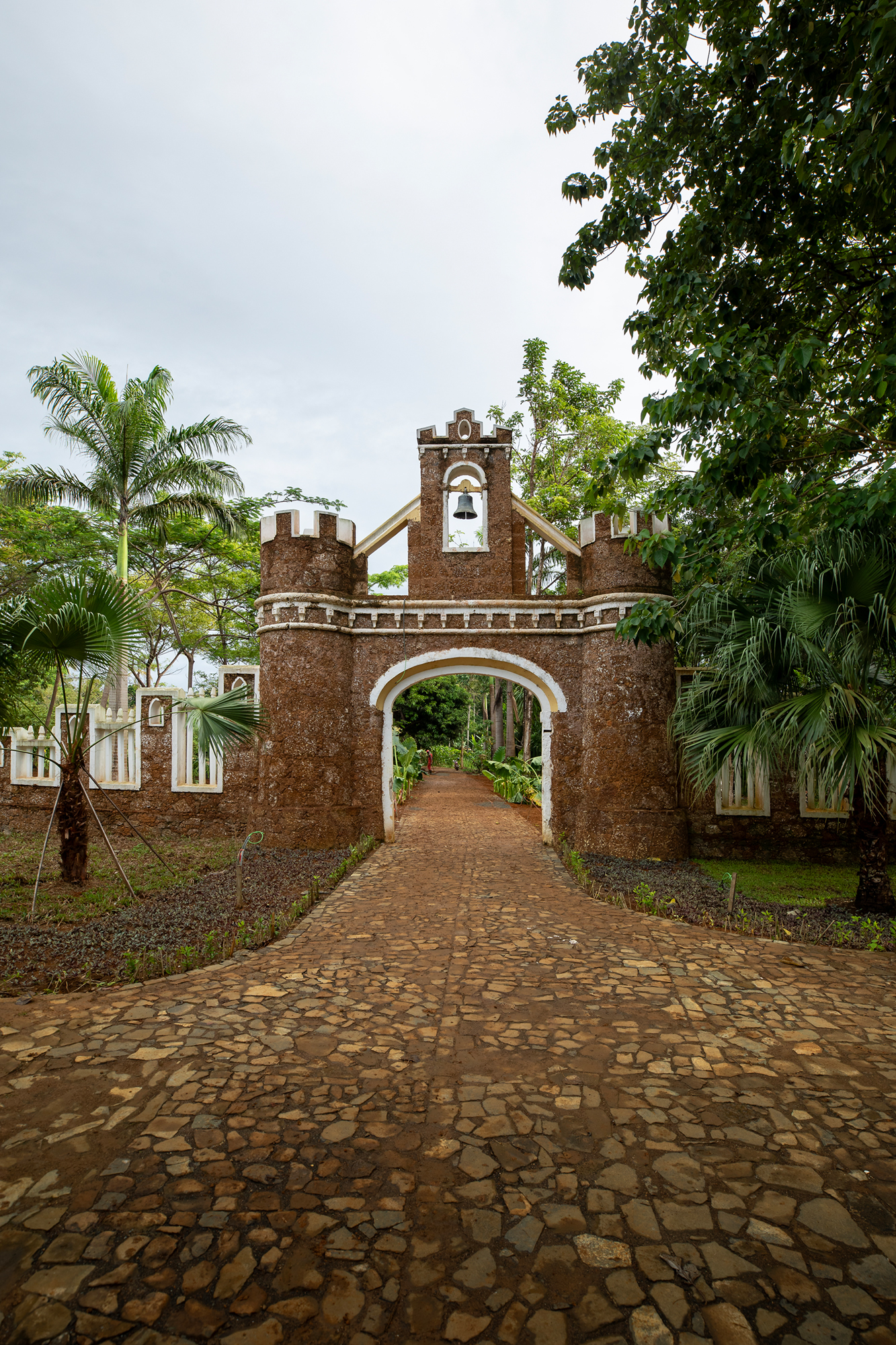
Fortified stone gateway and bell tower framed by palms and tropical gardens at Belo Monte
EXPERIENCE IT FIRST-HAND

How to visit

Guests staying with us can walk the estates with a guide, follow the cocoa from tree to bar on the Cacao Route, and meet the people who work these places today. A guided experience is included every day of every stay.

The Conservation and Communities Contribution, included in every booking, funds conservation work and community projects on the islands.

Local guide walking through the dense Príncipe forest
A LASTING RESPONSIBILITY

Caring for it

World Heritage status is a responsibility rather than a prize. For us it means restoring buildings with the materials and methods they were built with, employing and training people from the surrounding communities, and telling the history of these places accurately, including the parts that are difficult.

That work sits under Culture, one of the four Cs we are committed to as members of The Long Run.

Employees at Roça Paciência working with cacao
HOTELS AND RESORTS BY HBD PRÍNCIPE

The Roças of São Tomé and Príncipe: frequently asked questions

What is a roça?

A roça is a historic plantation estate in São Tomé and Príncipe, built as a self-contained settlement with its own processing buildings, housing, hospital, chapel and railway. The word is a proper term for these places and is not translated.

Which roças are UNESCO World Heritage?

Six: Monte Café, Água Izé, Diogo Vaz and São João on São Tomé, and Sundy and Belo Monte on Príncipe. They form one serial World Heritage Site, inscribed in July 2026.

Can you stay in a UNESCO World Heritage roça?

Yes. Belo Monte is a Príncipe Collection hotel and is open to guests. Roça Sundy is also ours and is currently closed for restoration.

Why were the roças given World Heritage status?

For their outstanding universal value as a complete colonial agro-industrial system built on forced migration and forced labour after the abolition of slavery, and for the coffee and cocoa production that shaped the islands.