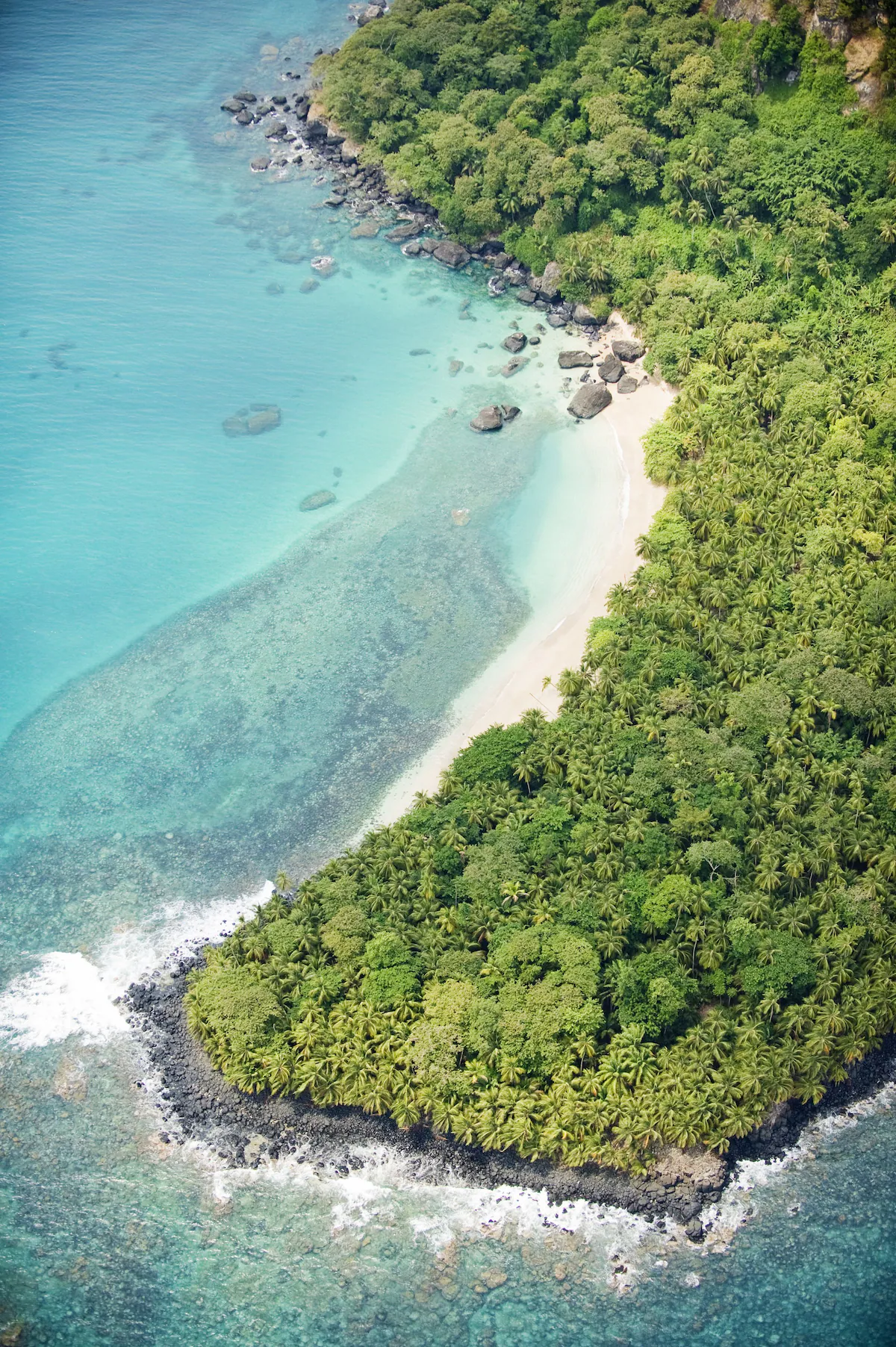
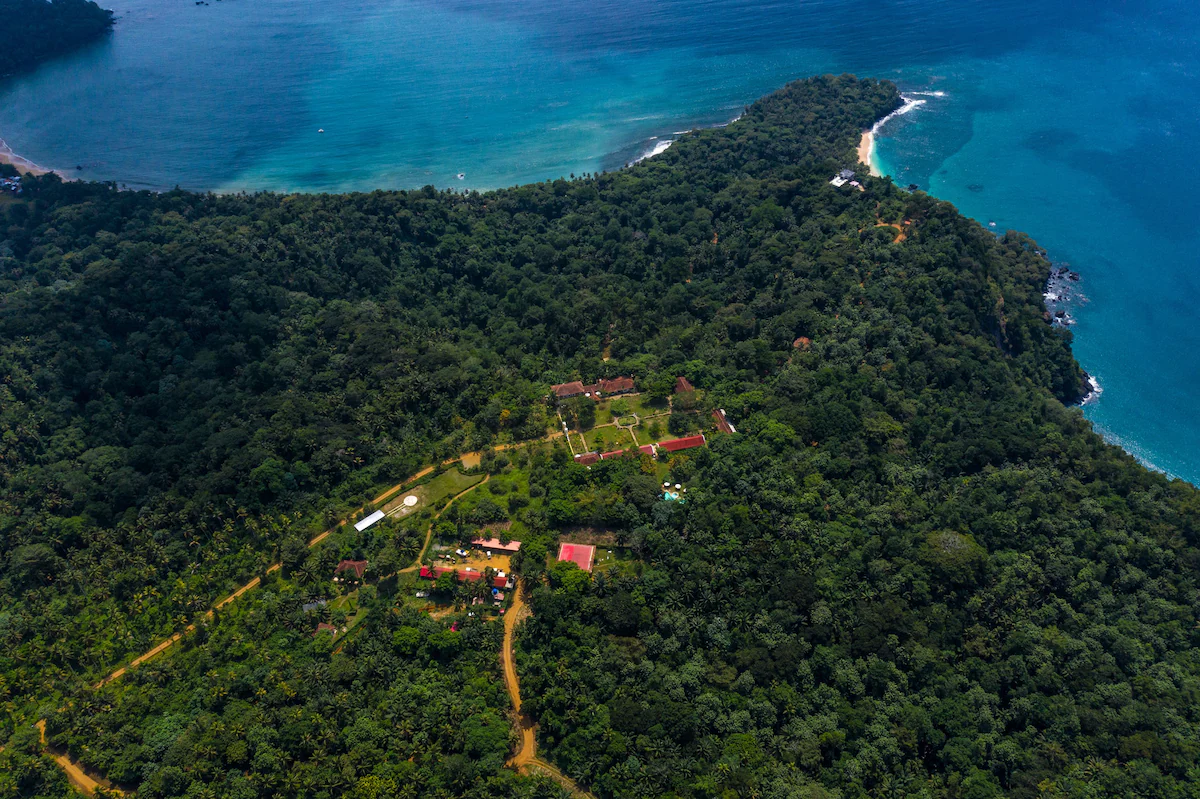
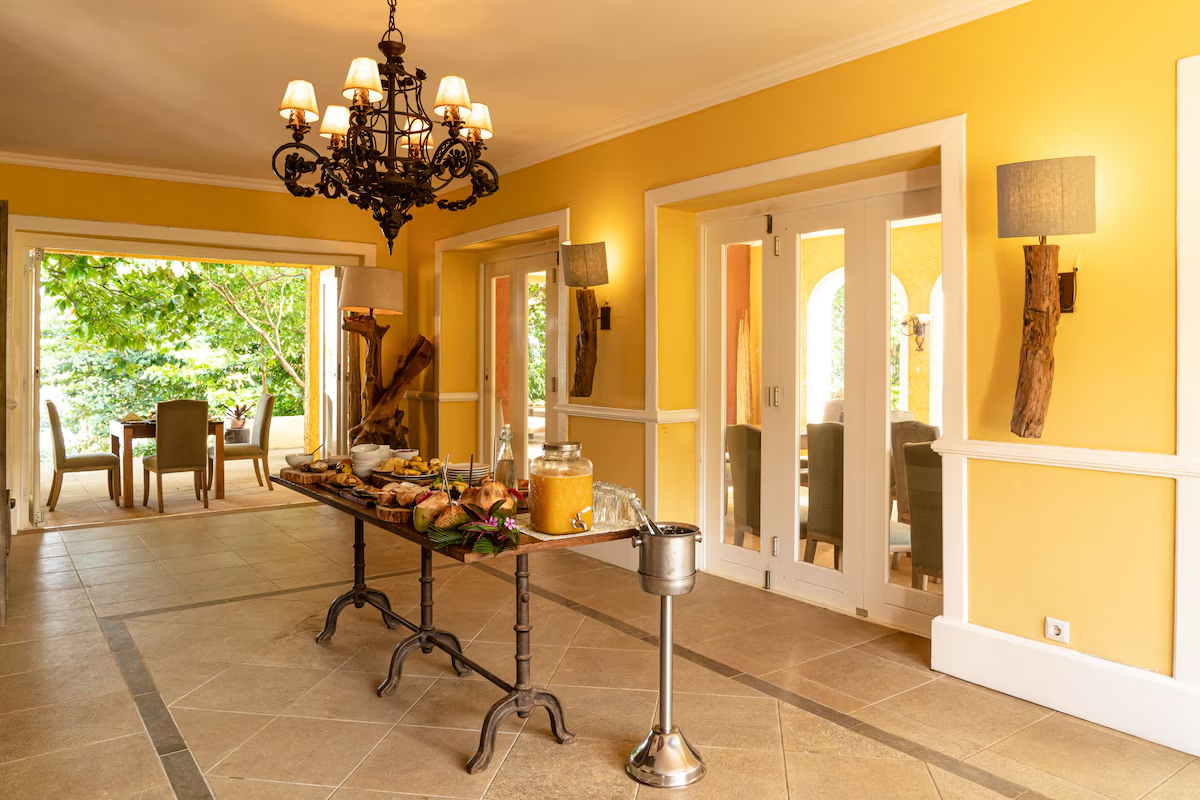
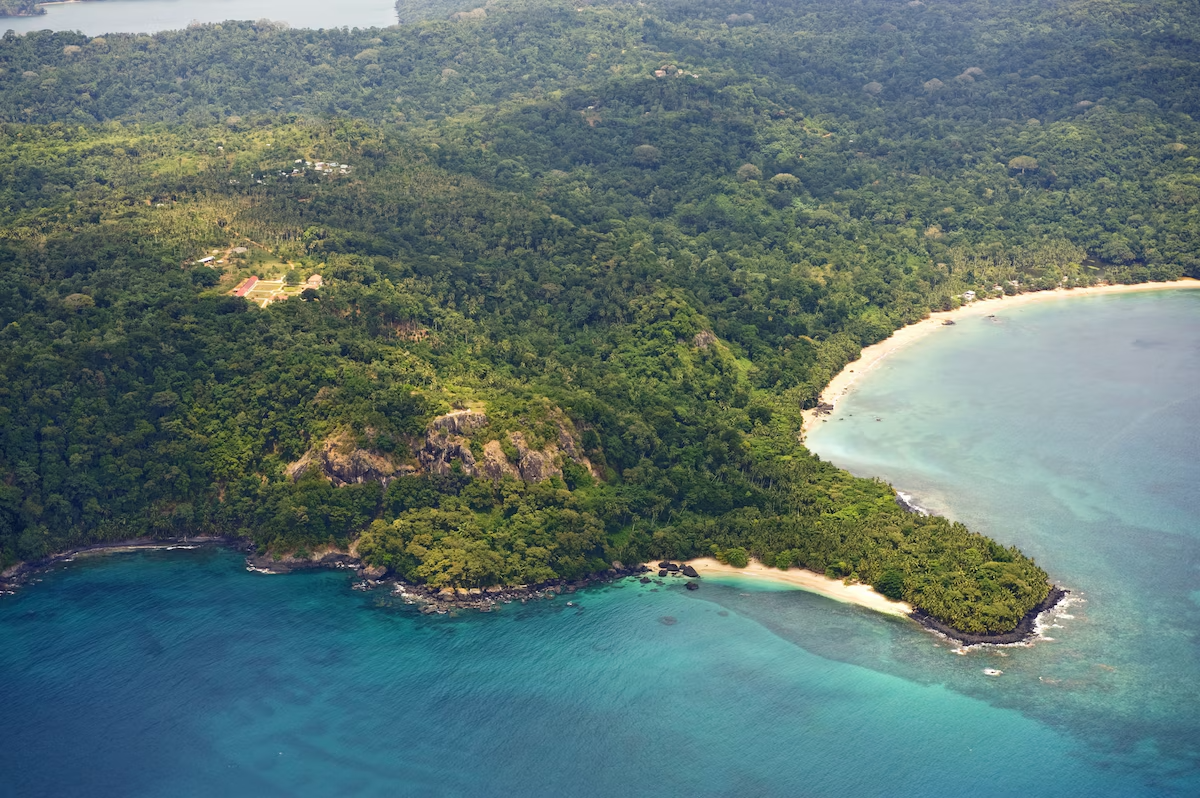
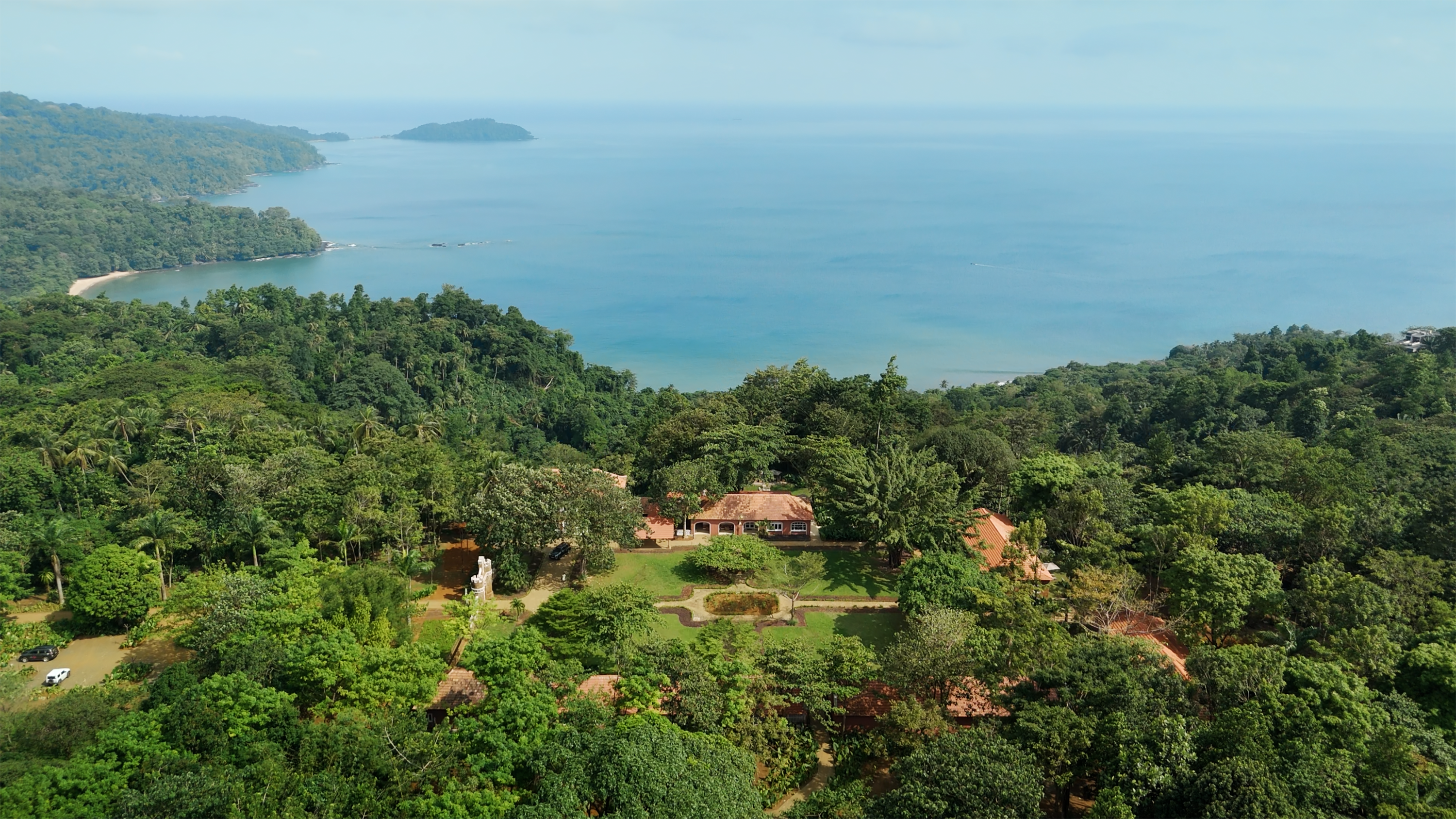
Aerial view of Roça Belo Monte's plantation estate set in rainforest above the ocean on Príncipe Island

The Roças of São Tomé & Príncipe: A Living Heritage Recognised by UNESCO

To understand Príncipe, you first have to understand its roças.

Long before visitors arrived in search of deserted beaches, rainforest trails or sea turtles, these islands were known around the world for something else: cocoa. During the late nineteenth and early twentieth centuries, São Tomé and Príncipe became one of the world's largest cocoa producers, and the roças, the vast agricultural estates that covered the landscape were at the heart of that story.

Yet calling them "plantations" hardly does them justice.

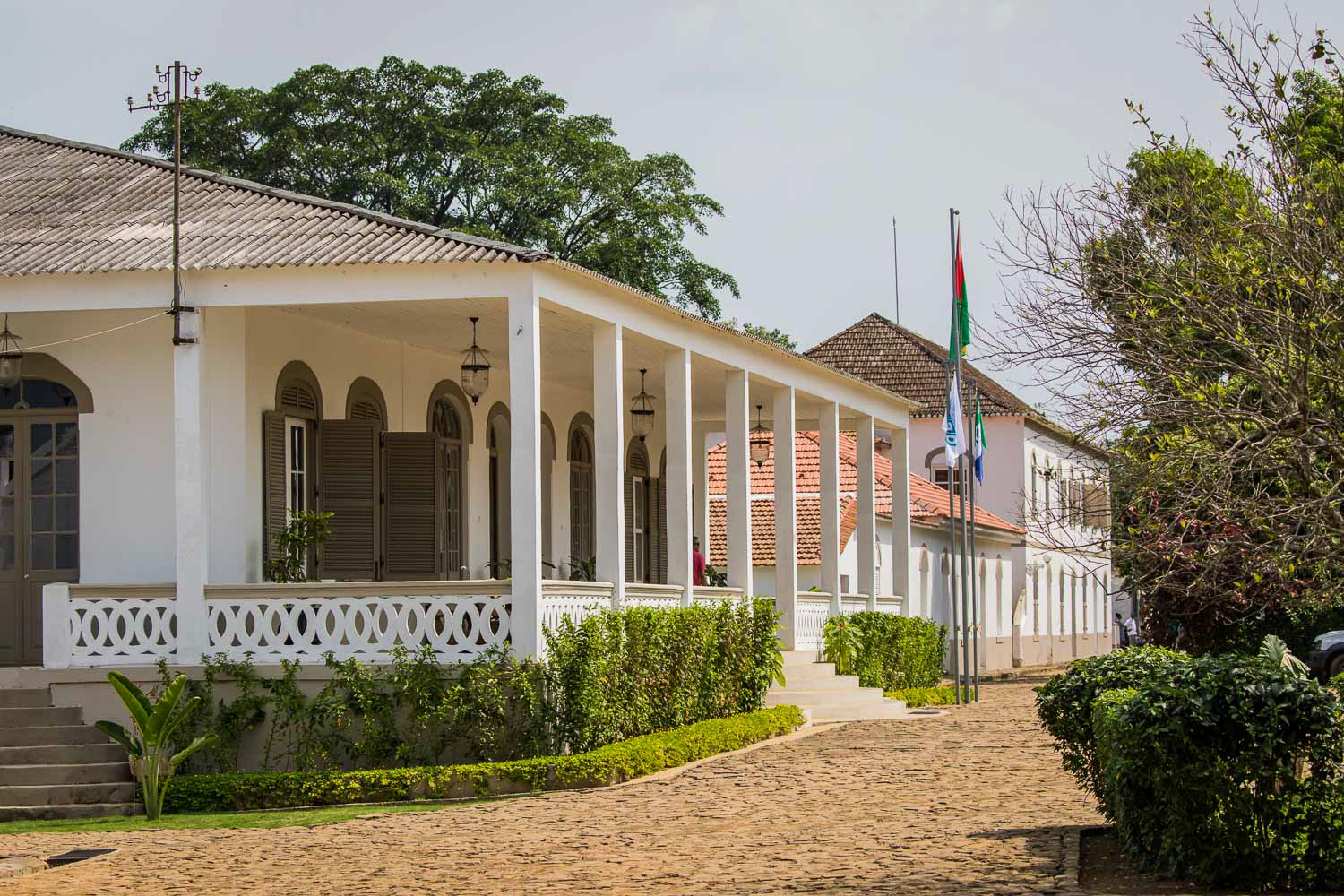
roça was an entire community. Beyond the cocoa trees were workshops, hospitals, schools, drying terraces, railways, warehouses, chapels, workers' quarters and elegant plantation houses. They were self-contained settlements where architecture, agriculture and daily life were woven together into a cultural landscape found nowhere else in the world.

International Recognition

In 2026, UNESCO inscribed The Roças of São Tomé and Príncipe: Colonial Agricultural System and Forced Migration on the World Heritage List, recognising six historic estates across the archipelago for their Outstanding Universal Value - UNESCO's highest designation for places considered so culturally significant that they deserve to be protected for all humanity and for future generations.

Among those six roças are Belo Monte and Roça Sundy, both on the island of Príncipe.

For Príncipe Collection, this recognition is deeply meaningful. It acknowledges not only the extraordinary history of these places, but also the responsibility of caring for them and ensuring they continue to evolve with integrity and purpose.

Colourful colonial buildings and blue church with a rocky peak in the background in Santo António, Príncipe Island

More than architecture

The beauty of the roças is immediately striking.

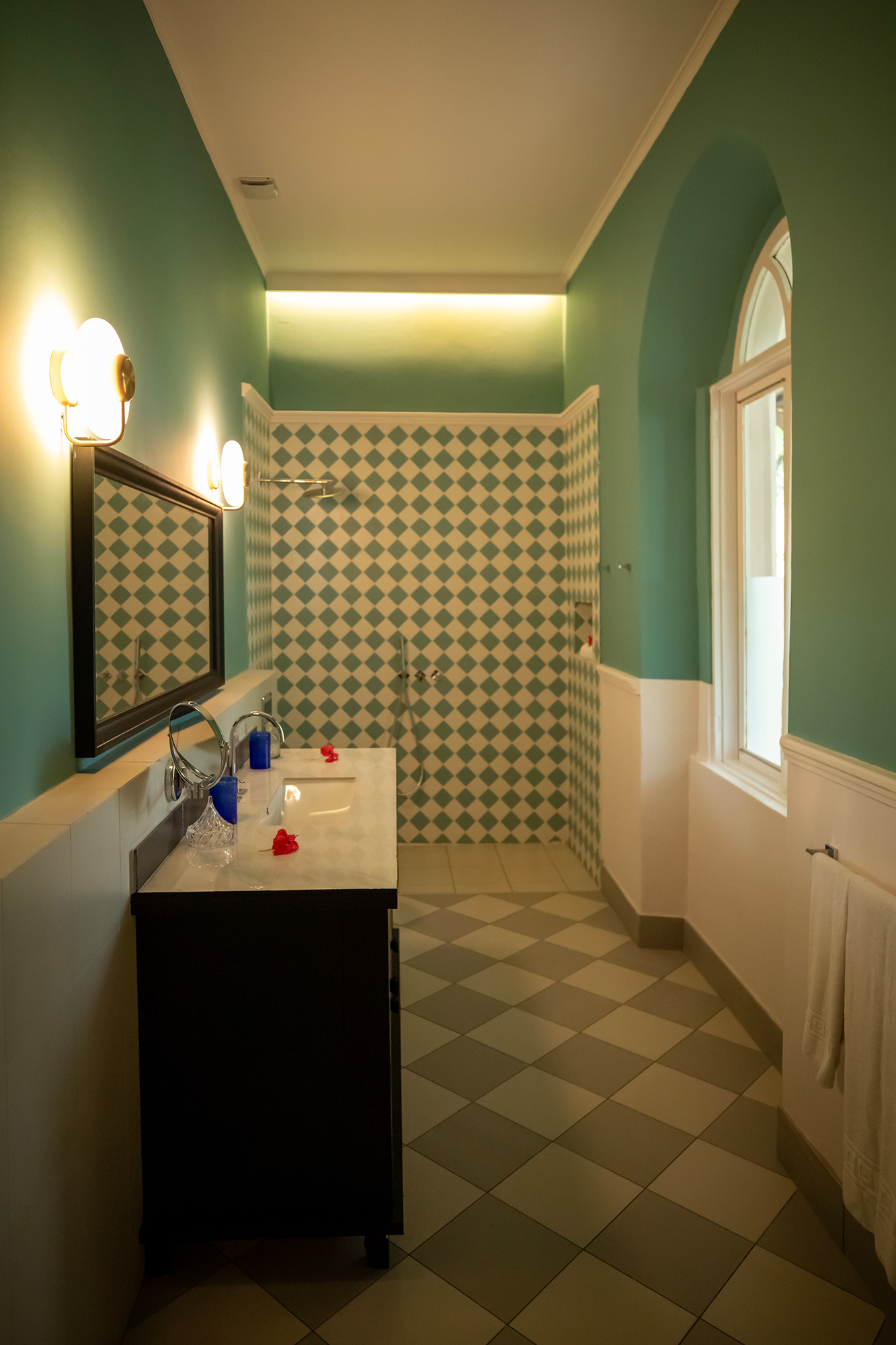
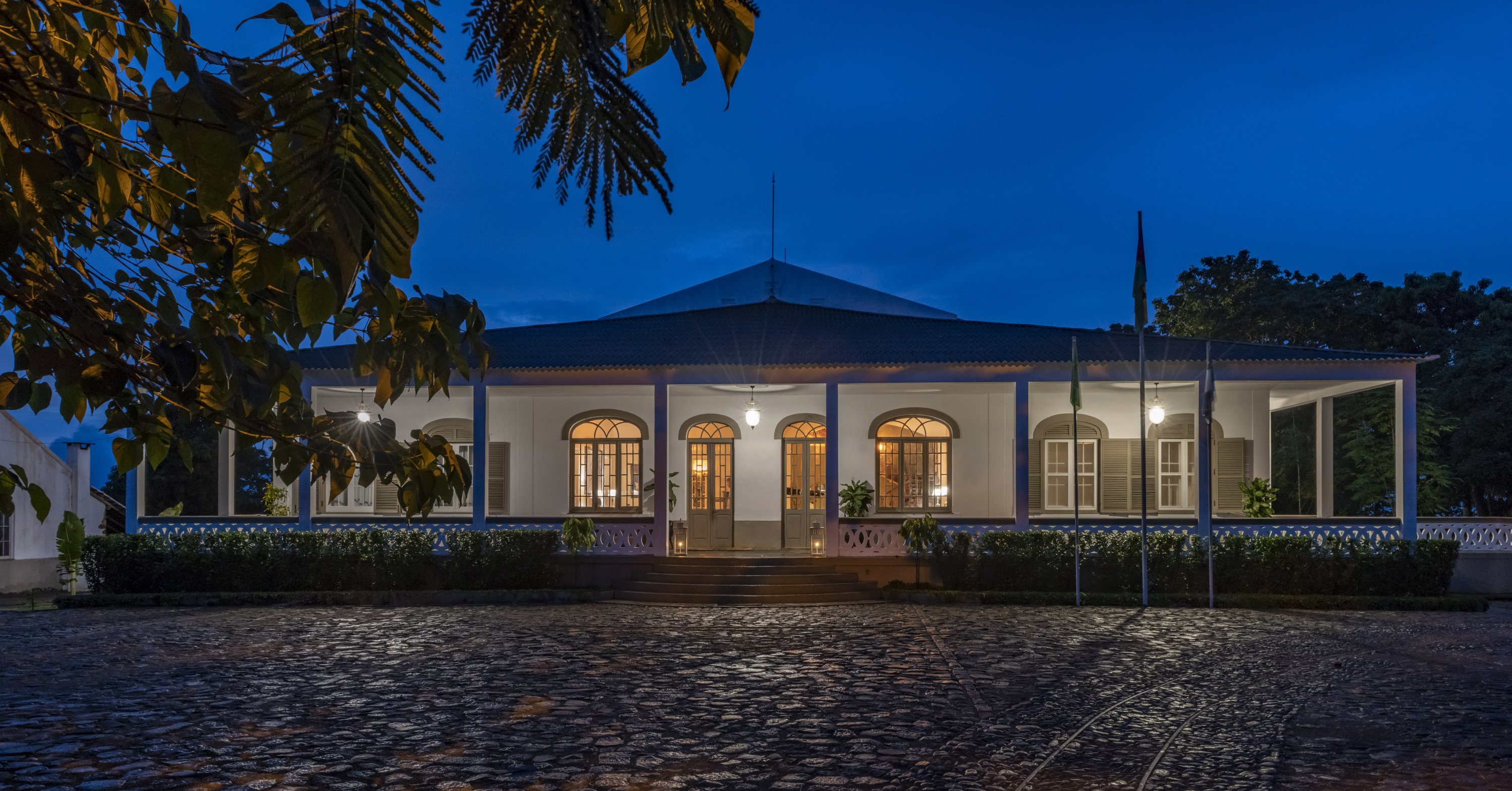
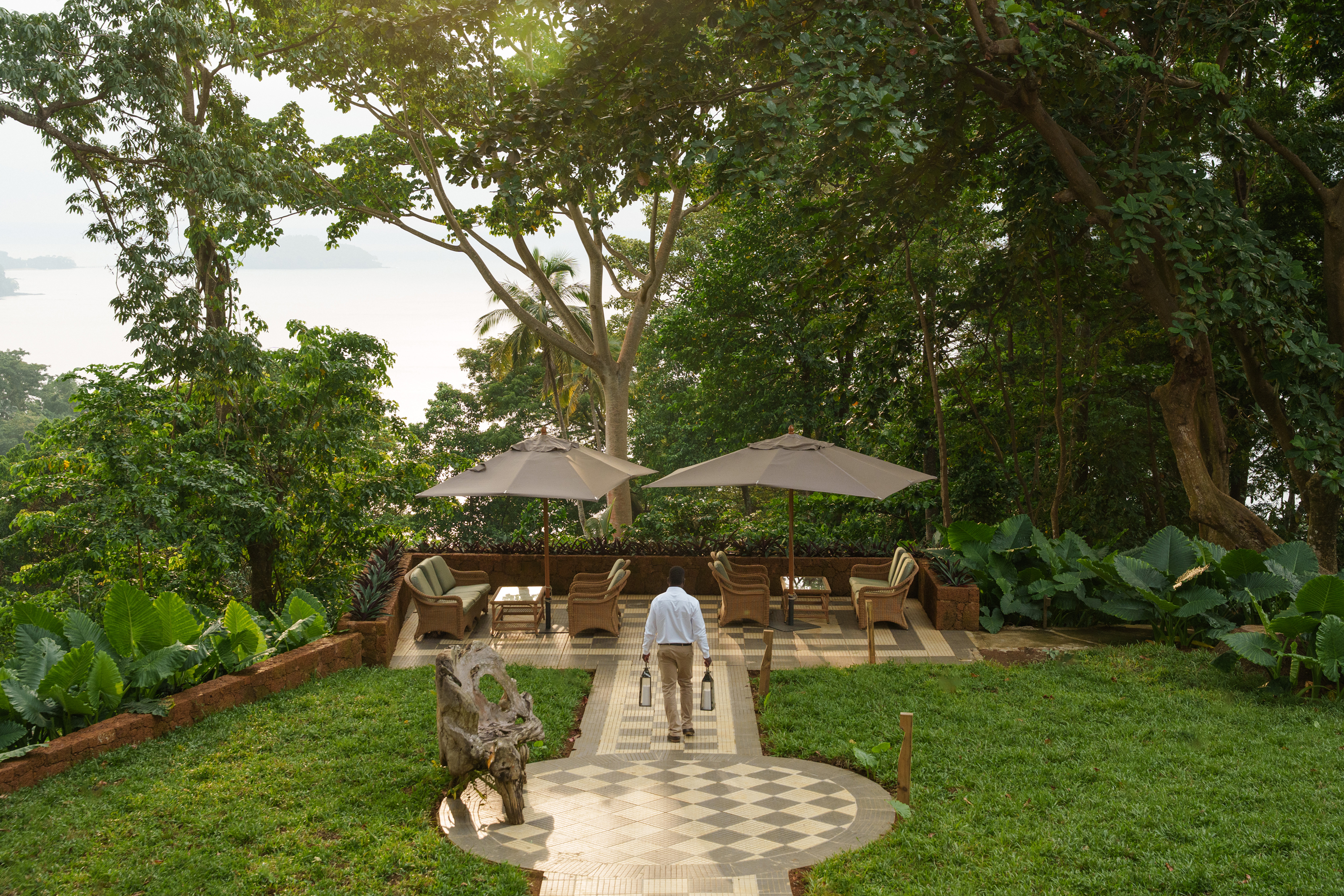
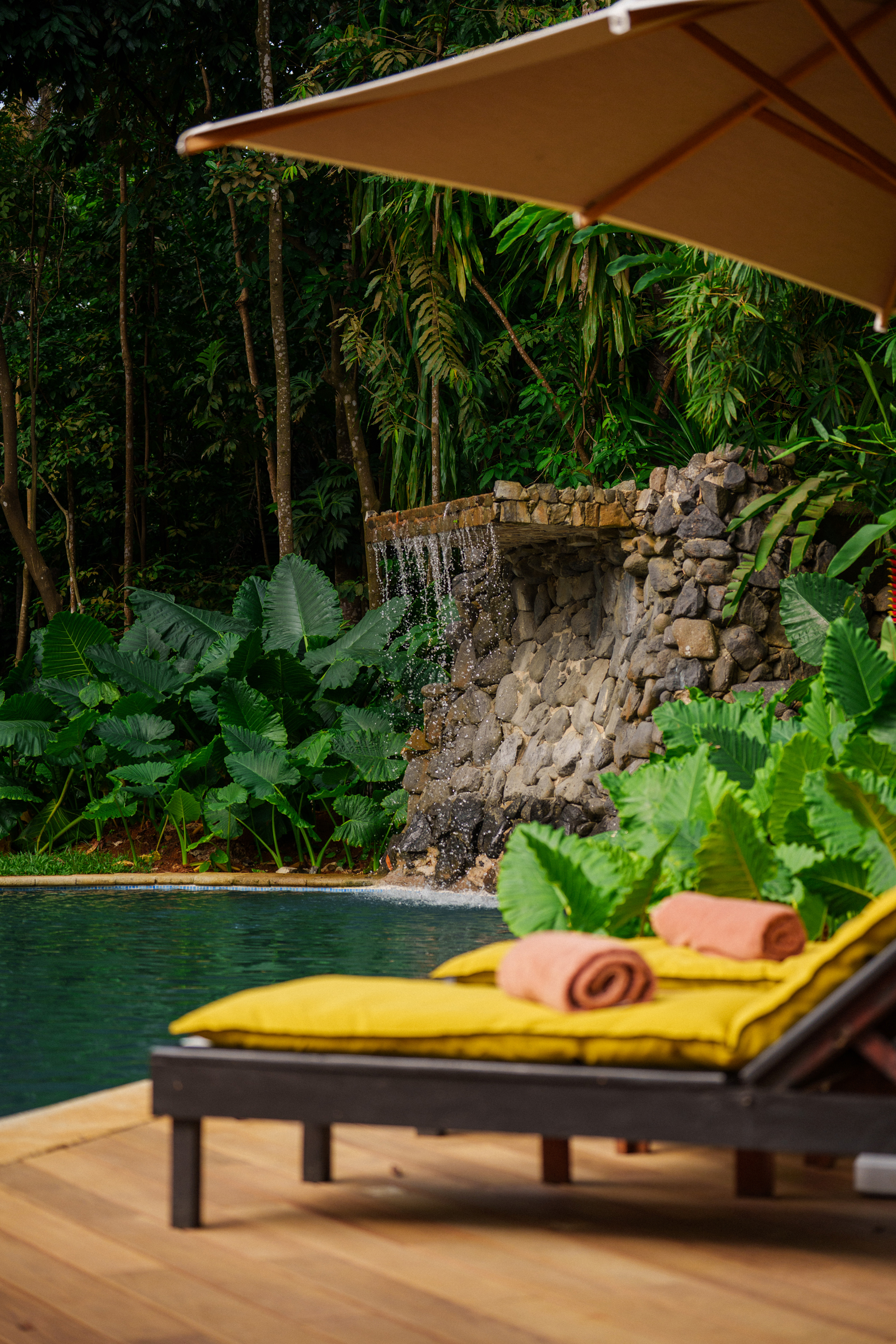
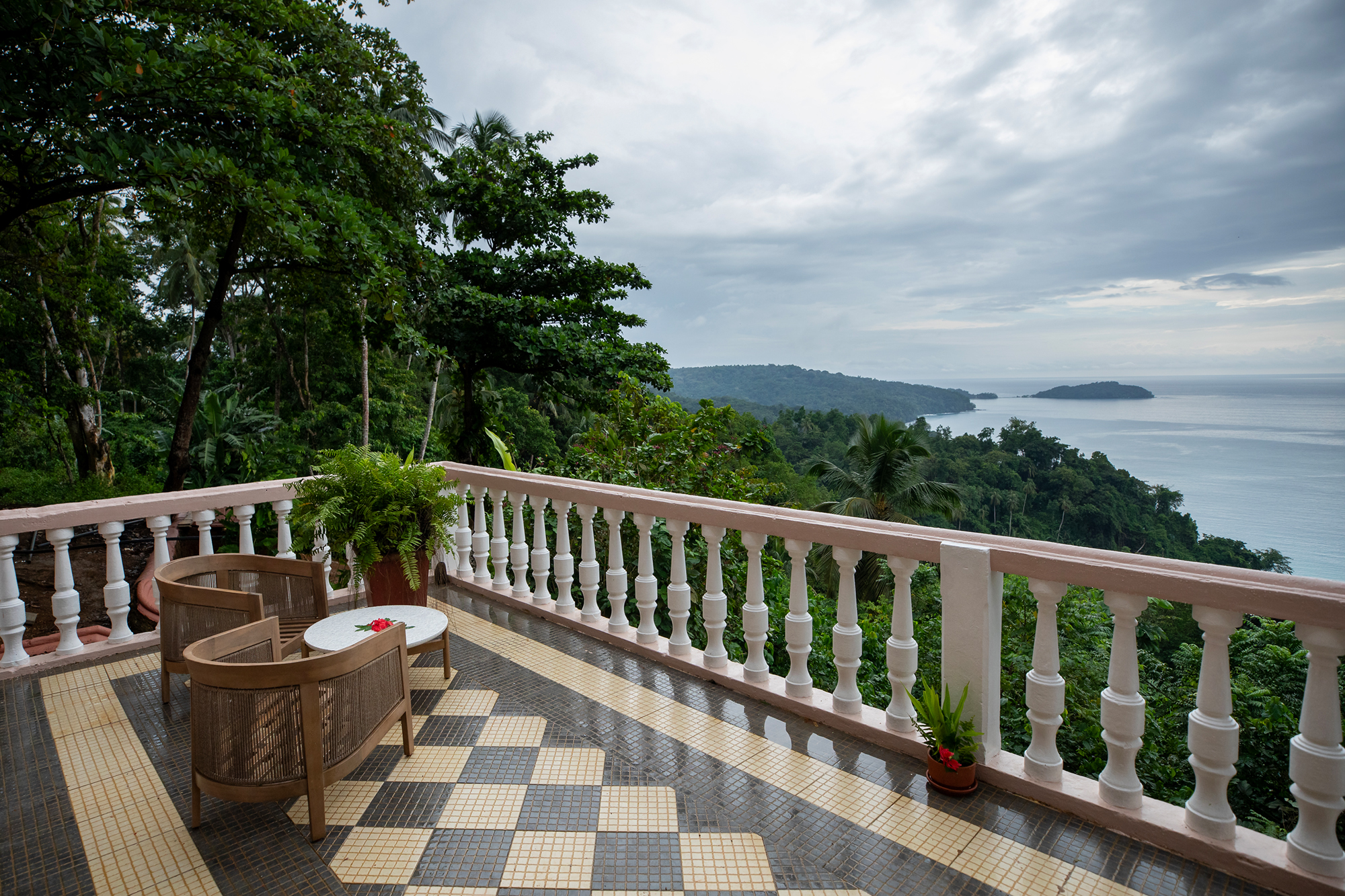
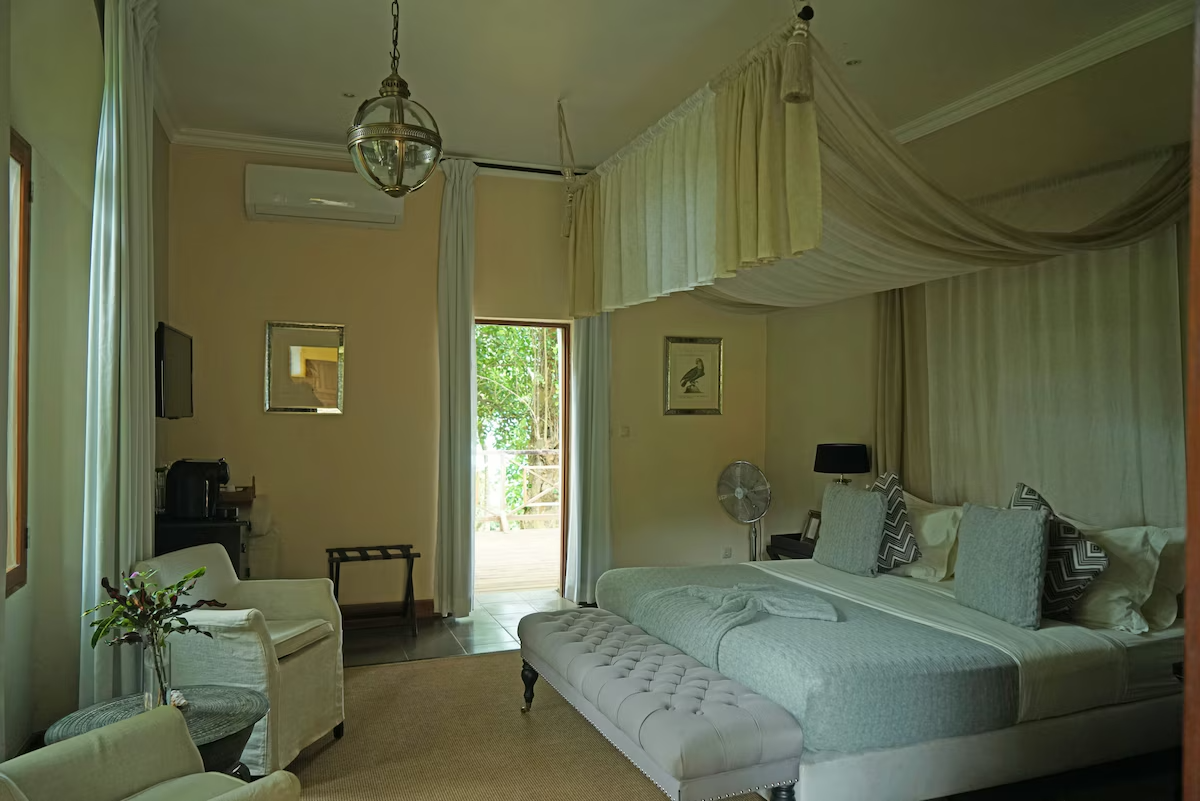
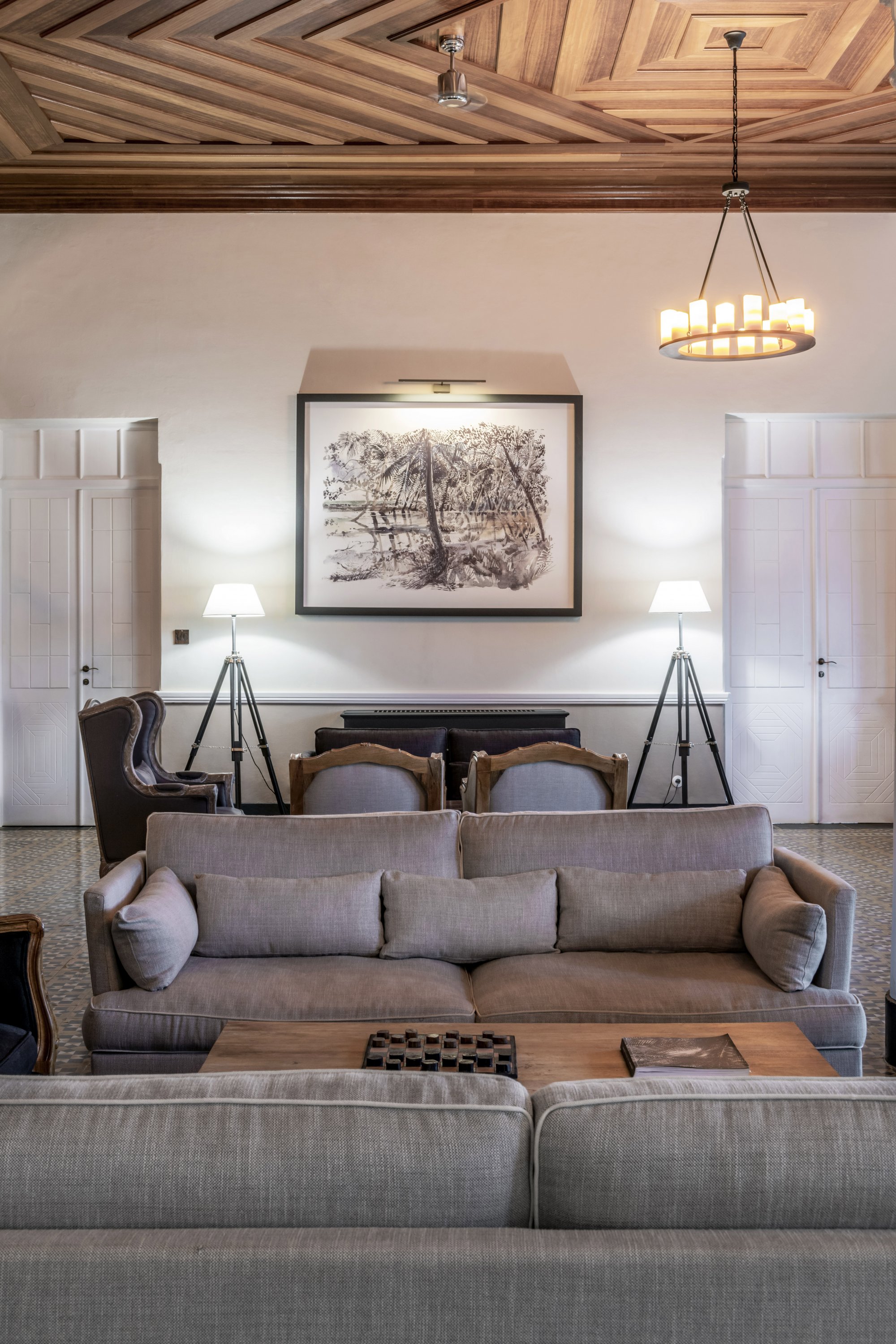
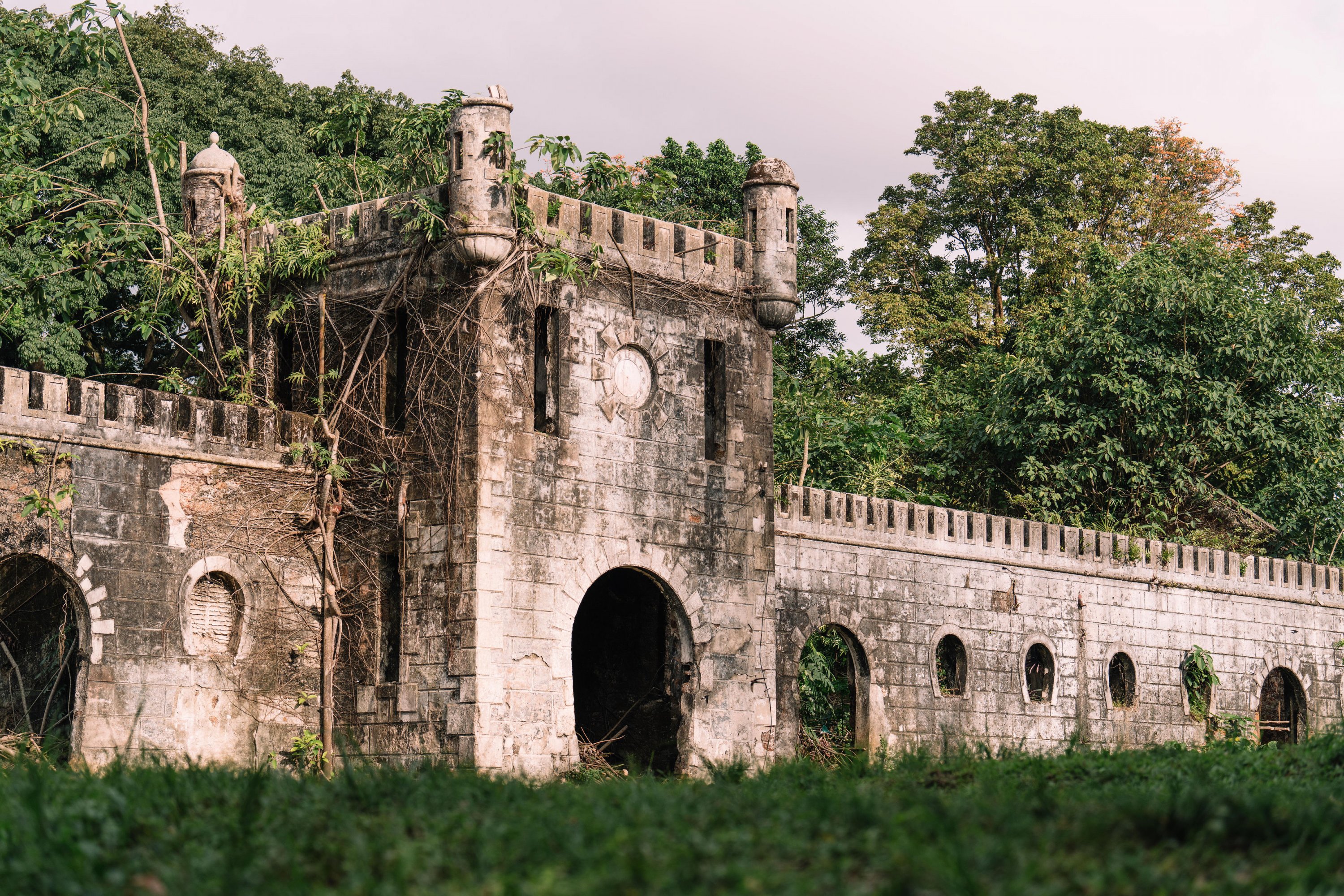
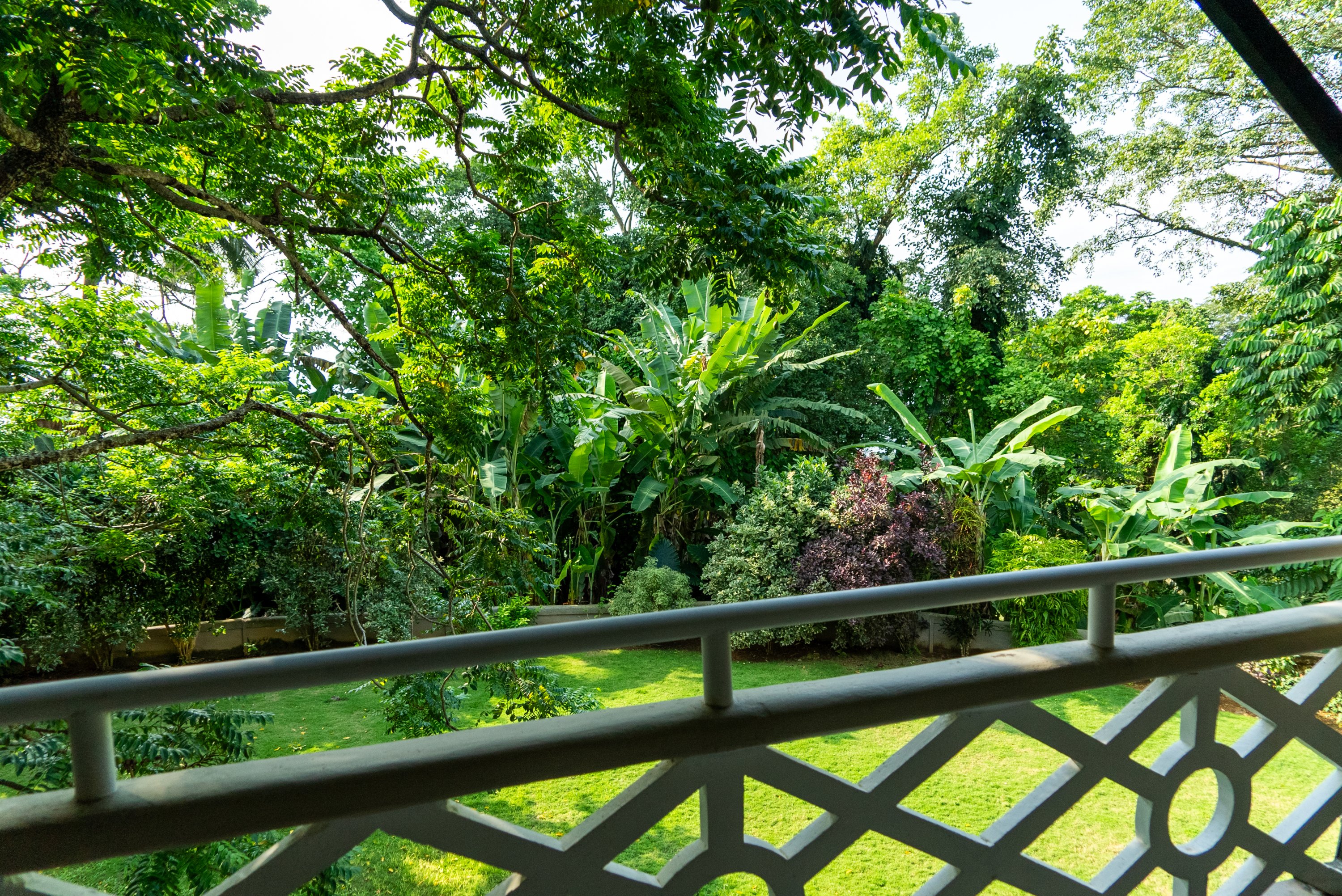
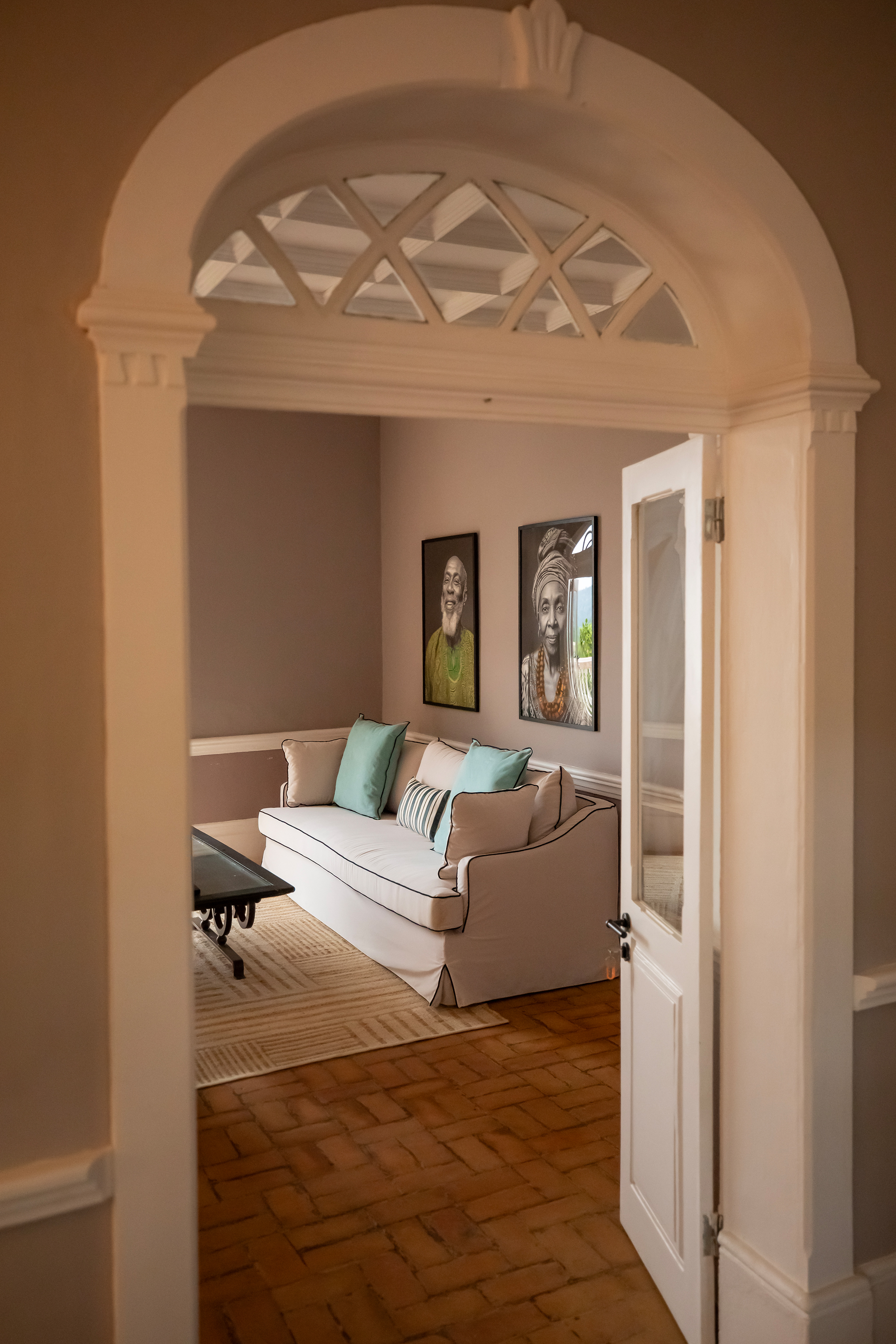
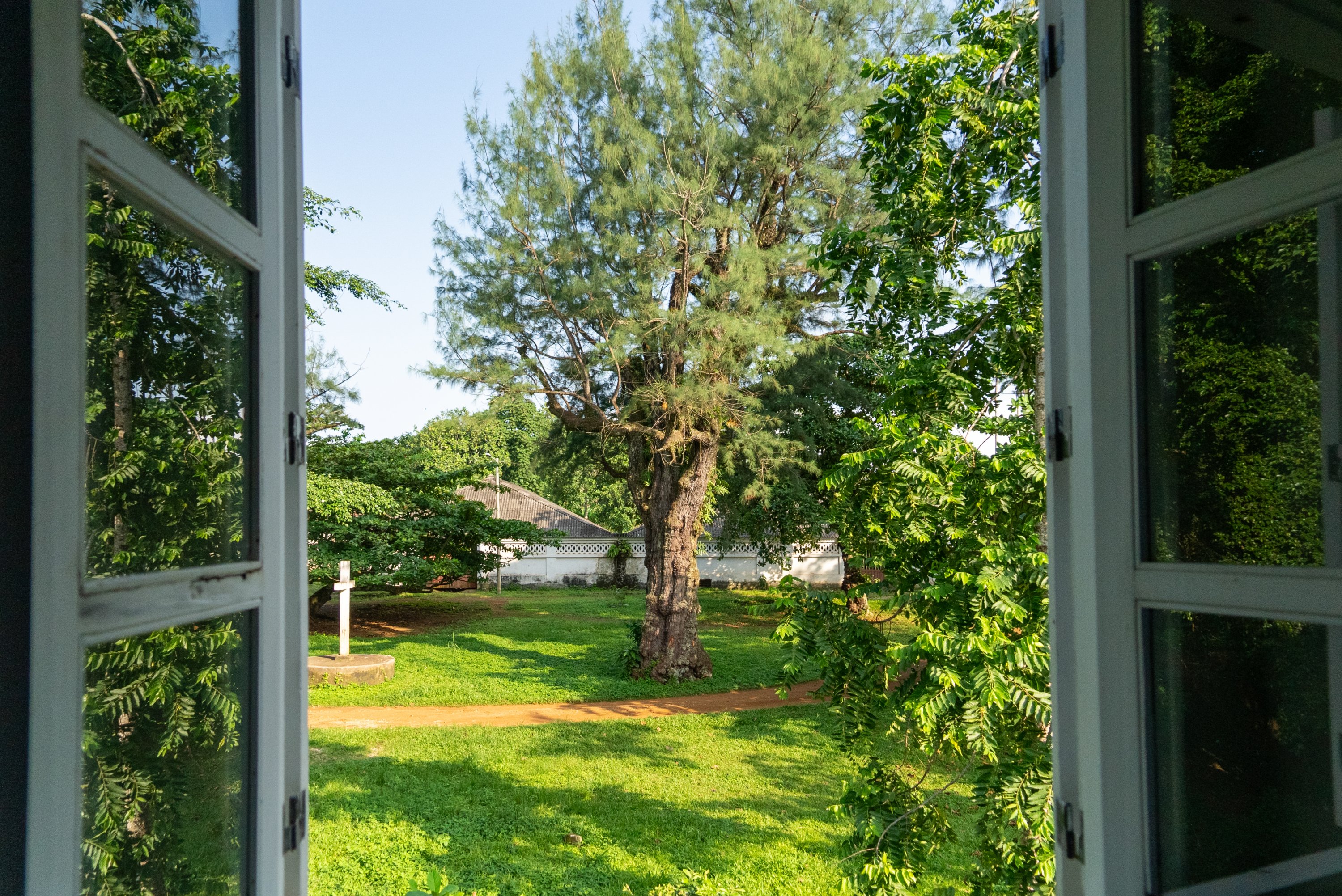
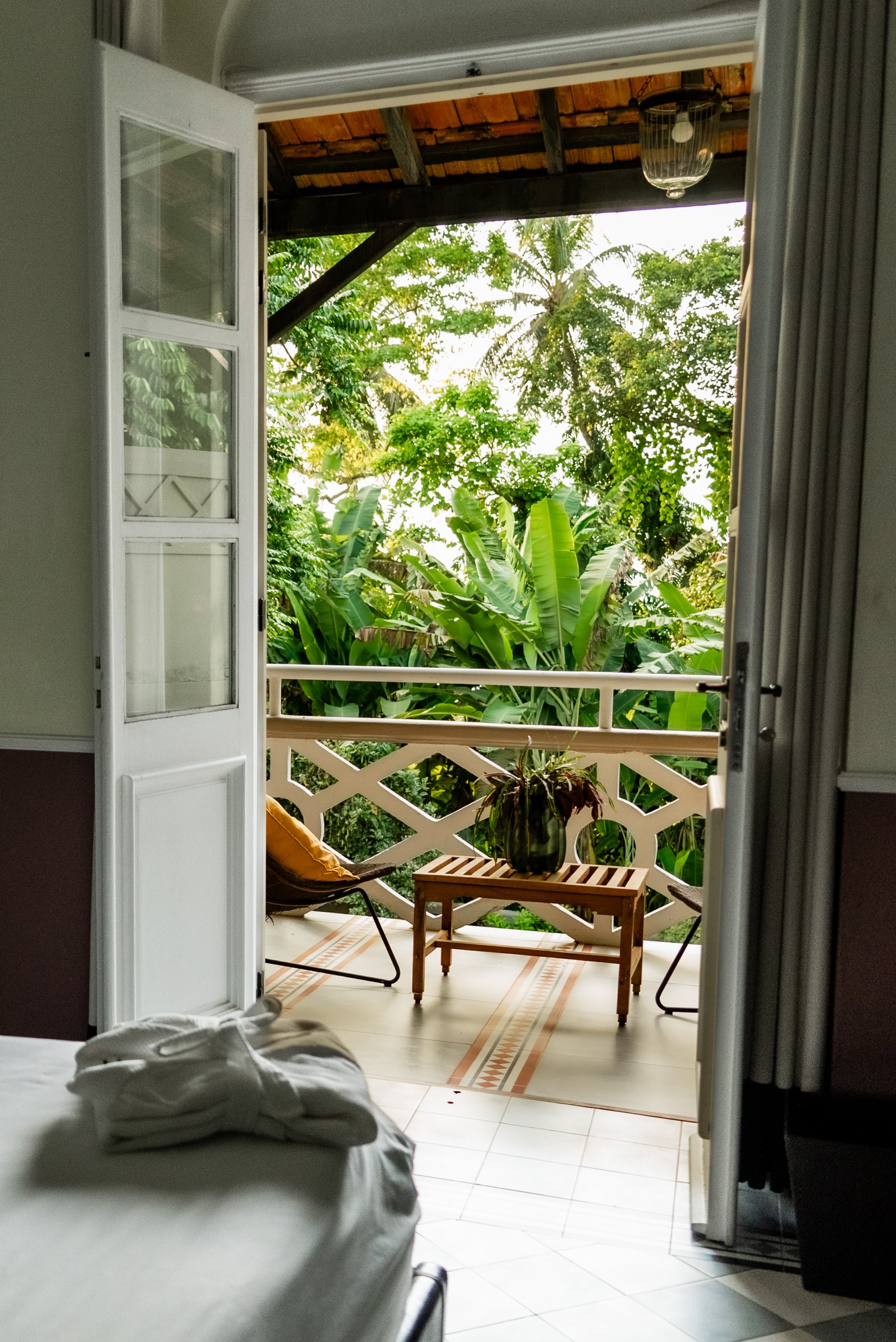
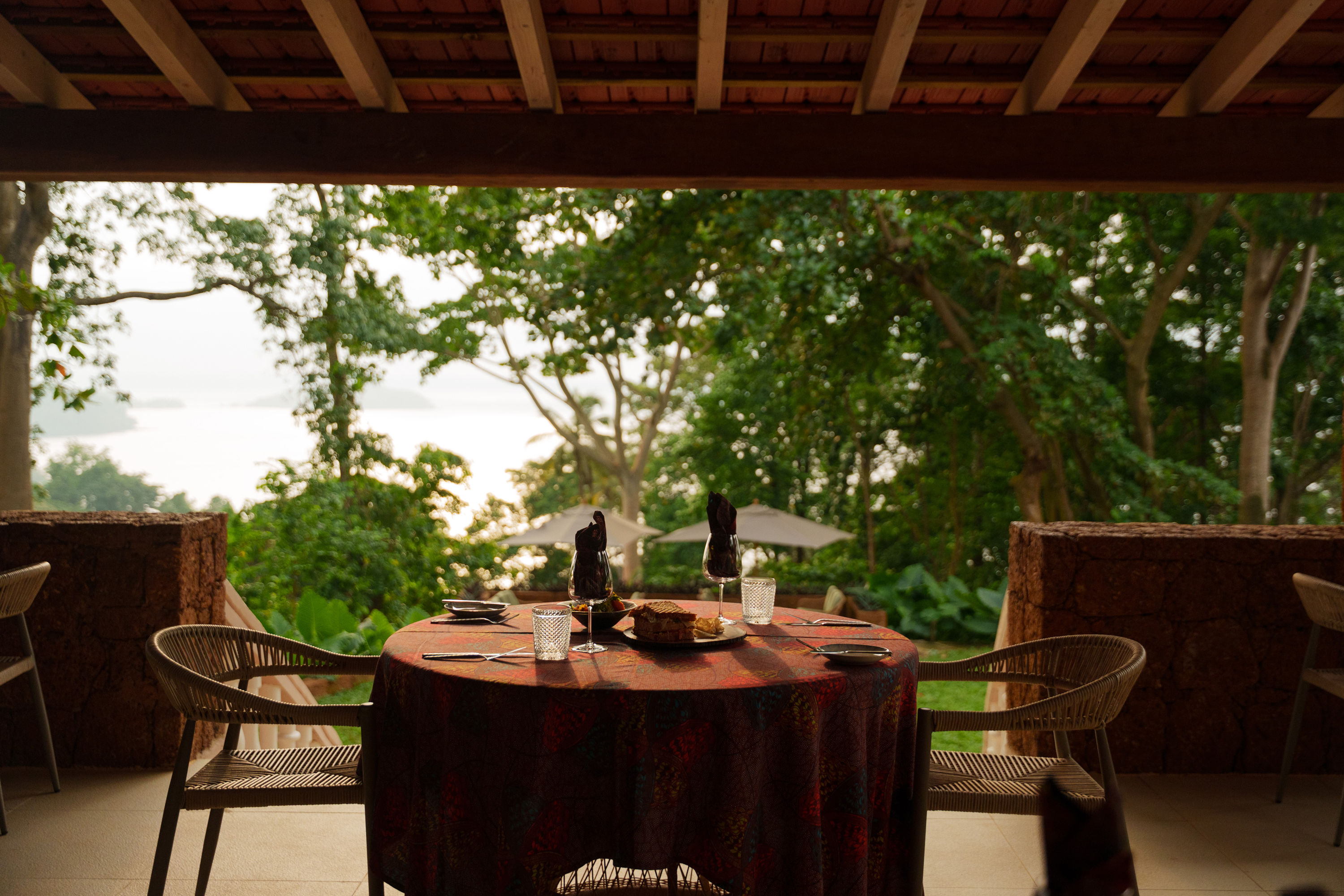
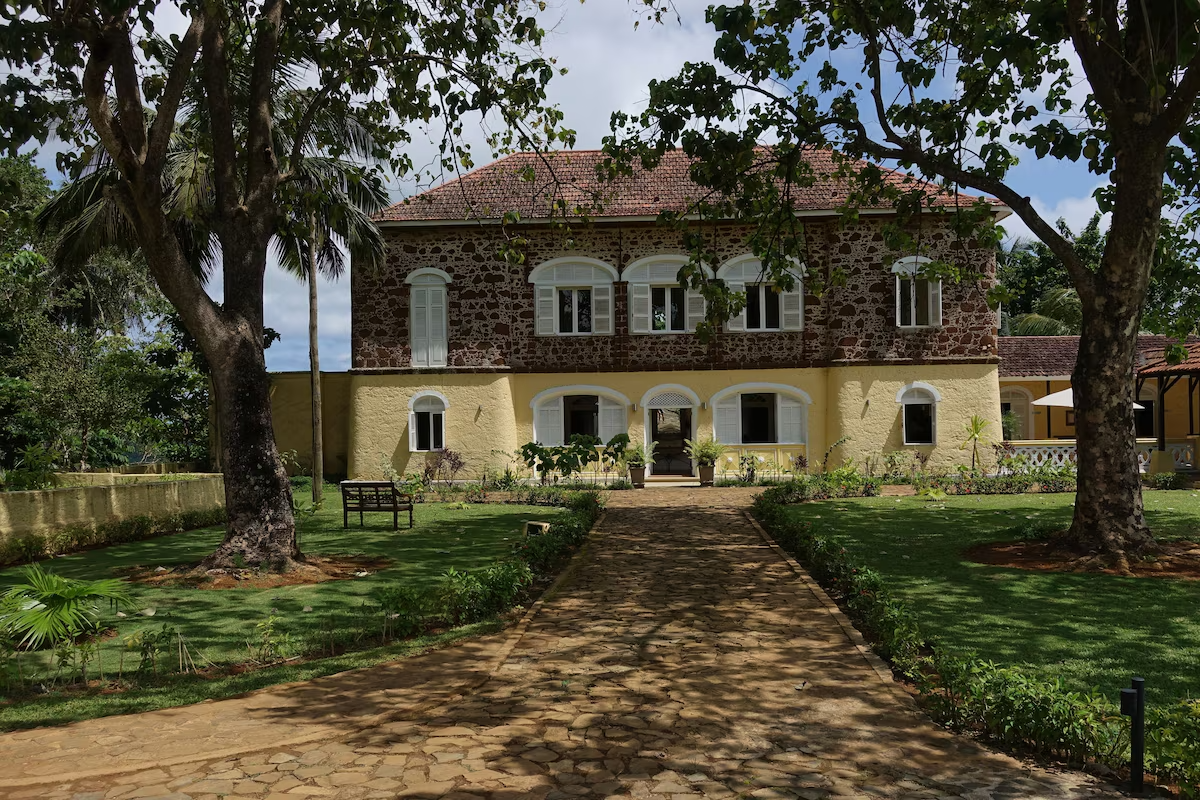
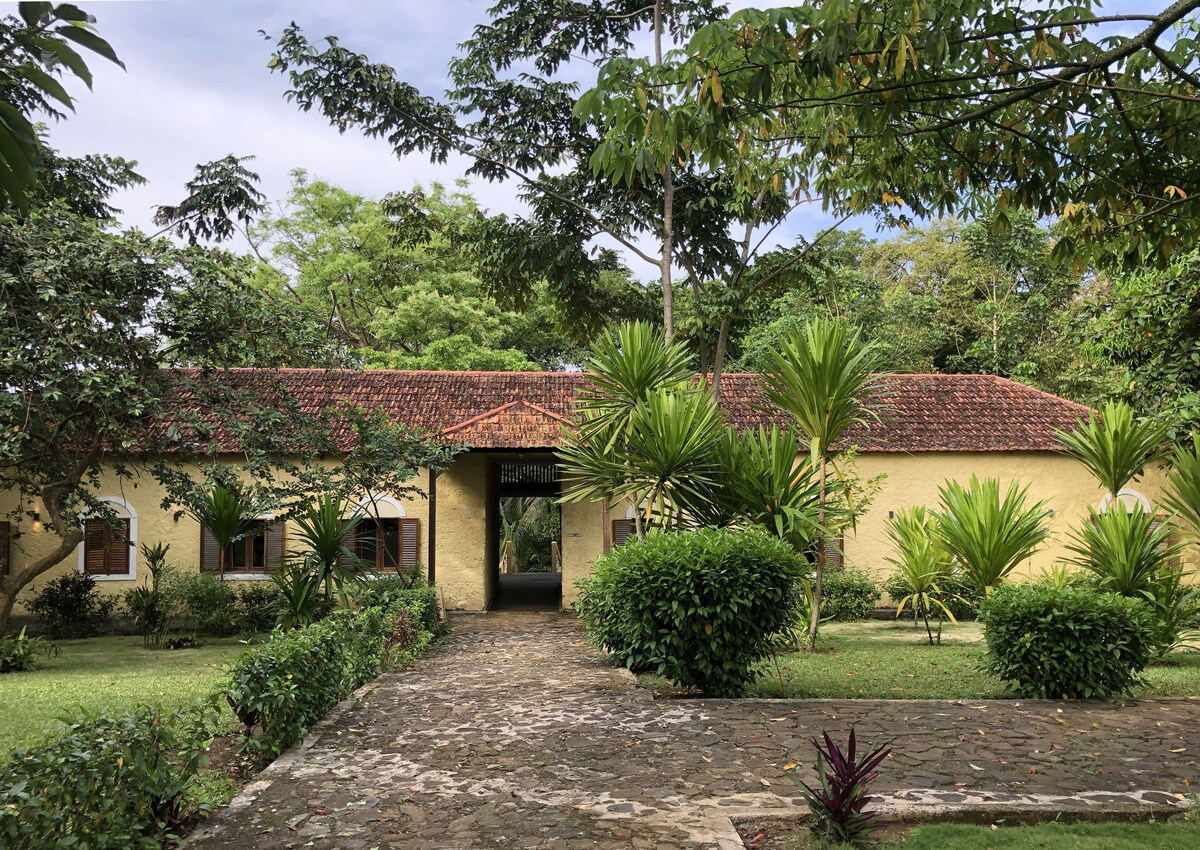
Wide verandas open onto tropical gardens. Stone staircases disappear beneath towering trees. Grand colonial façades overlook forests that seem to stretch uninterrupted to the Atlantic. Decades of tropical rain have softened walls and roofs, while nature has quietly reclaimed corners once filled with the rhythm of plantation life.

But the significance of the roças goes far beyond their architecture.

They tell the story of the global cocoa trade that shaped these islands, while also bearing witness to the complex social history that accompanied it. Following the abolition of slavery, the estates relied on systems of contracted and forced labour that brought thousands of workers from across Africa. UNESCO's inscription recognises this layered history in its entirety; its economic importance, its architectural legacy and the human stories of migration, resilience and cultural exchange that continue to shape São Tomé and Príncipe today.

Rather than presenting a simplified version of the past, the designation encourages a deeper understanding of these places and the many lives that unfolded within them.

Belo Monte: A hilltop estate overlooking the Atlantic

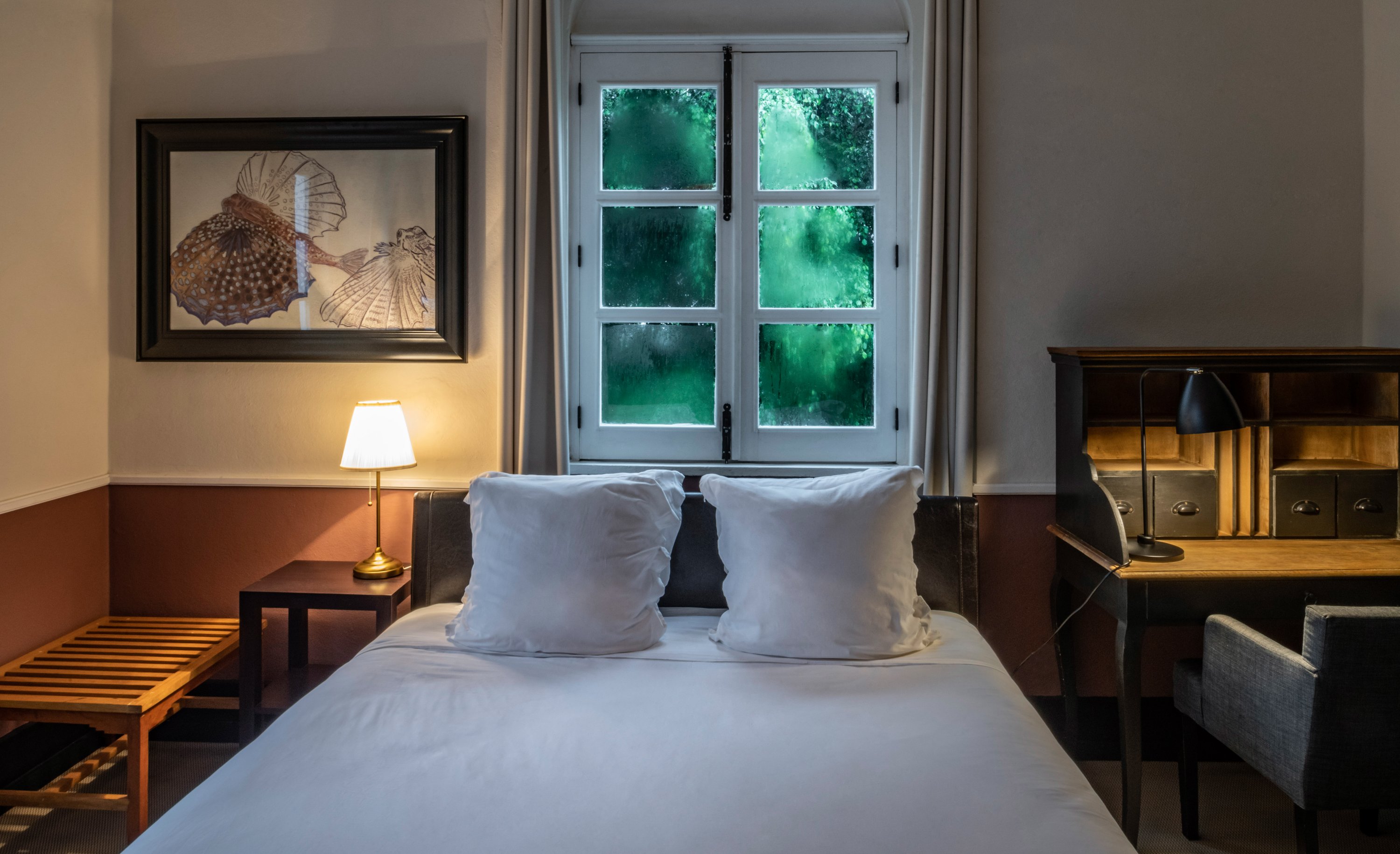
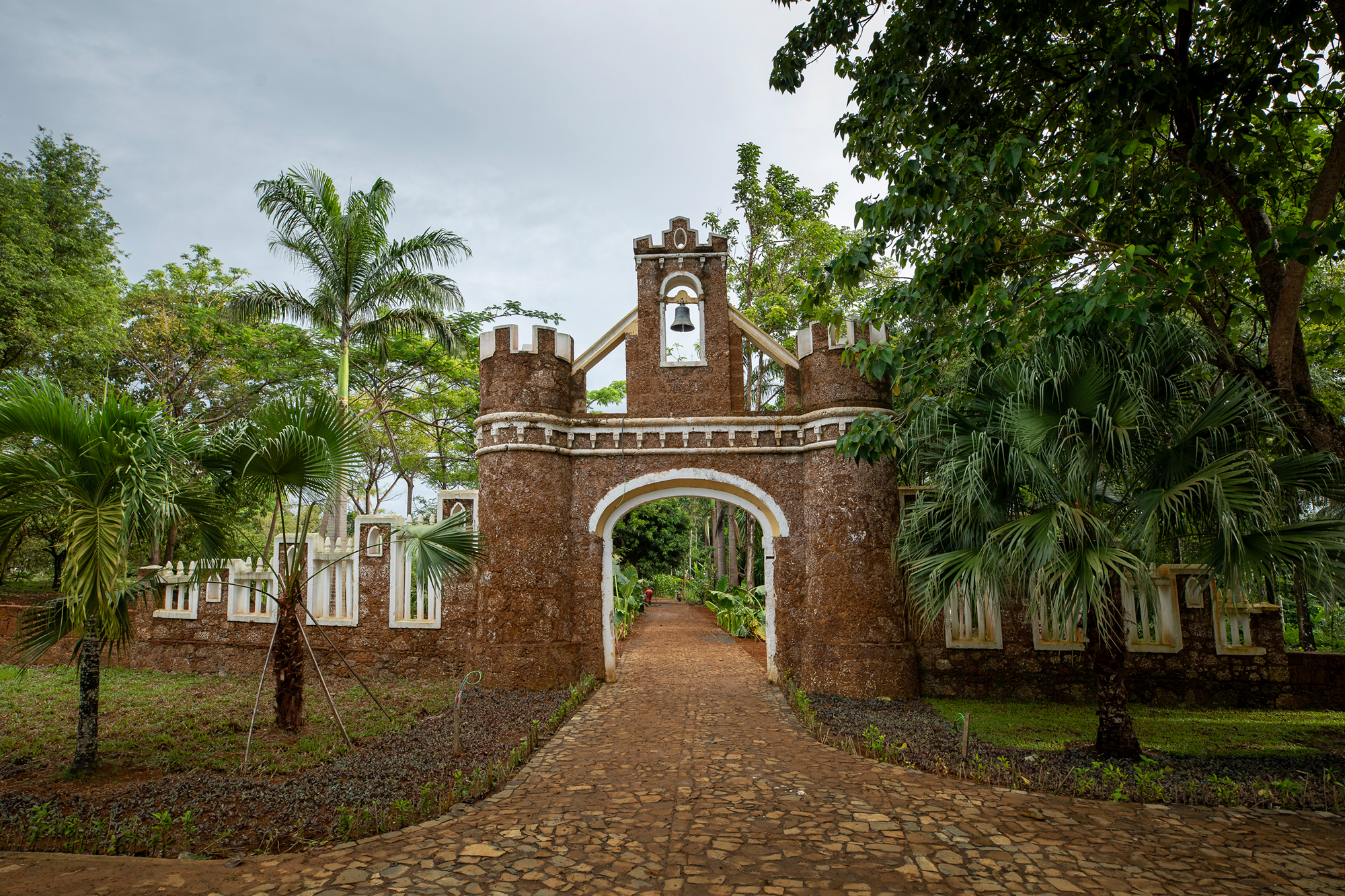
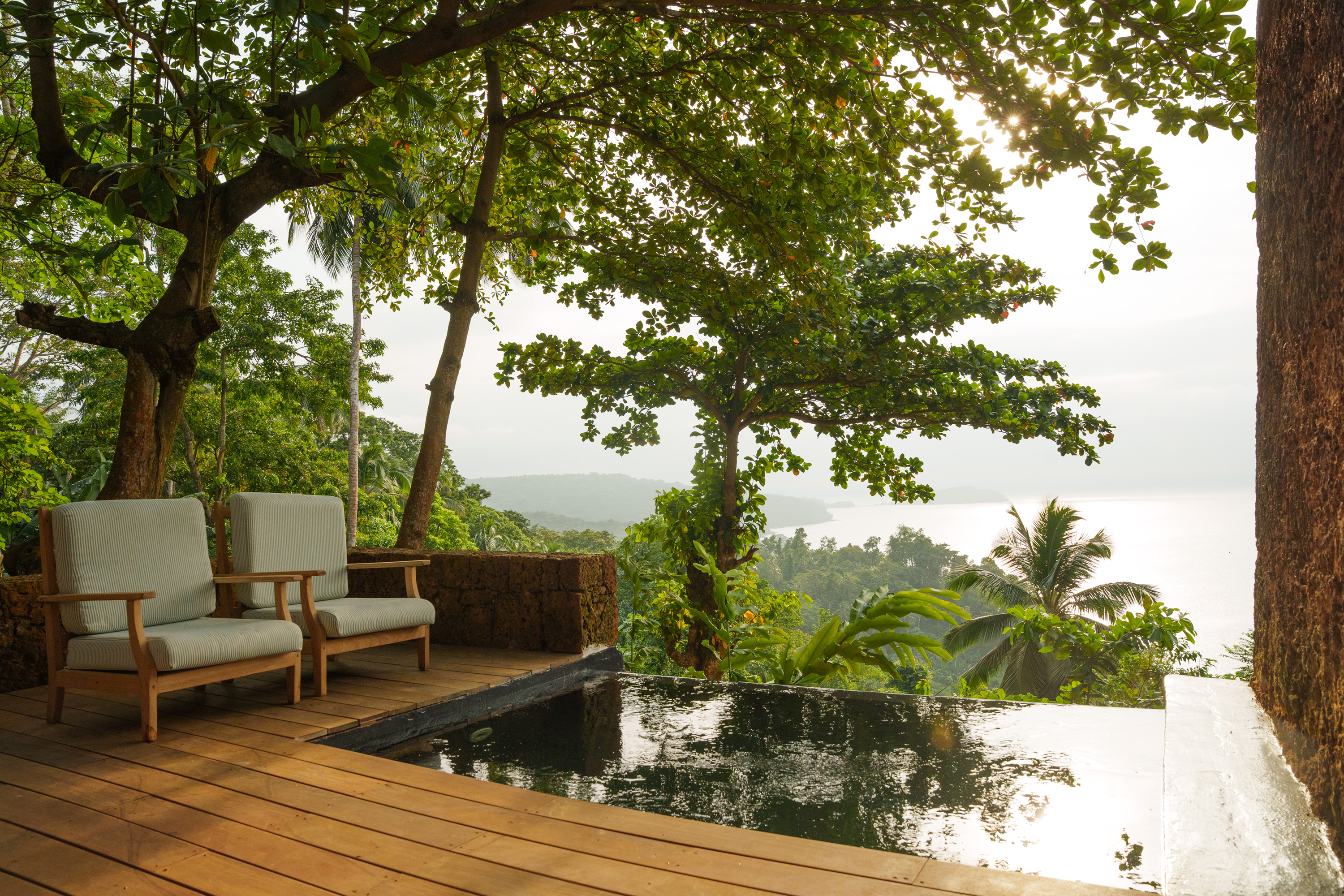
Developed in the 1920s as a cocoa plantation, Roça Belo Monte occupies one of the most spectacular settings on Príncipe.

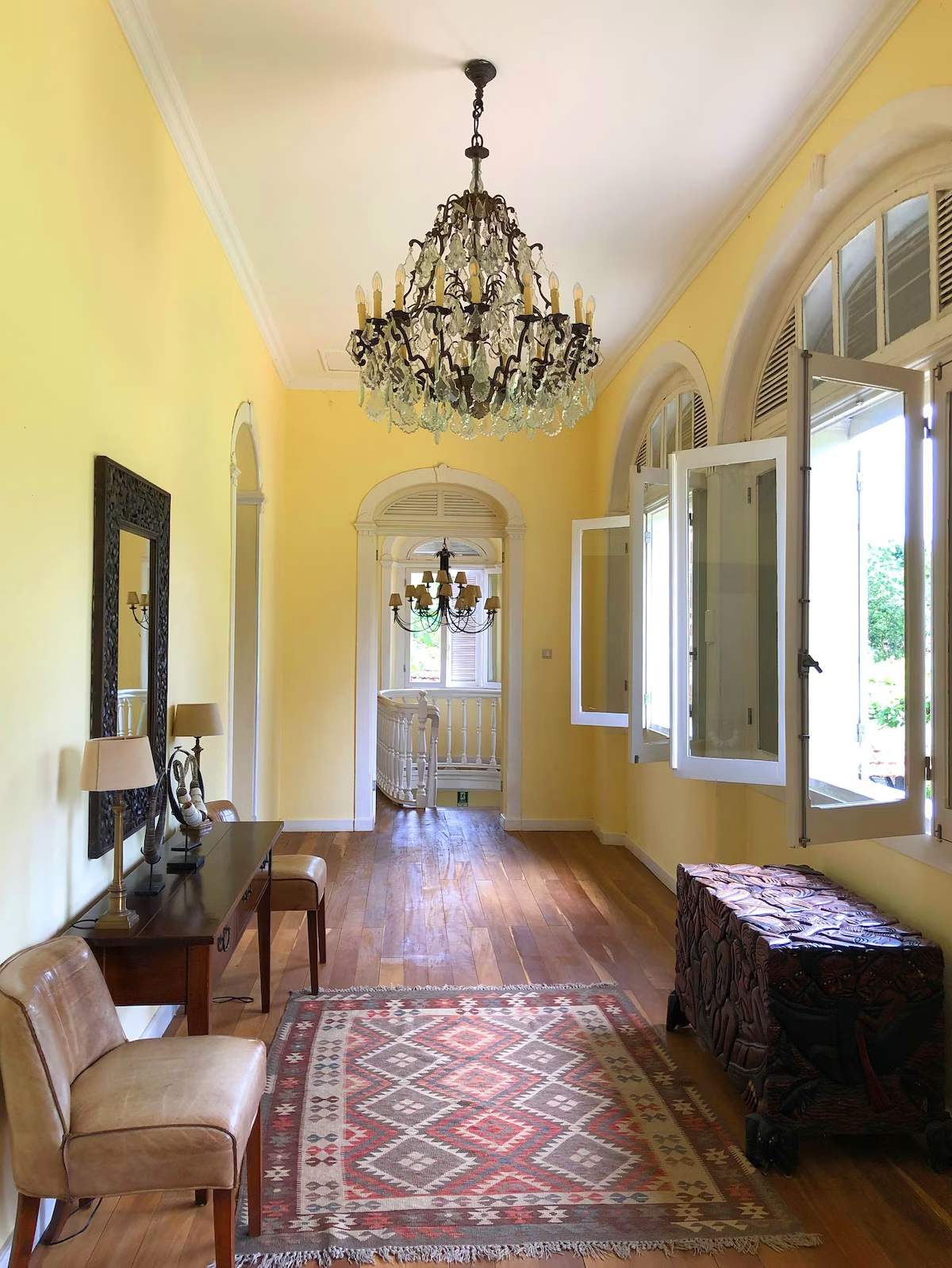
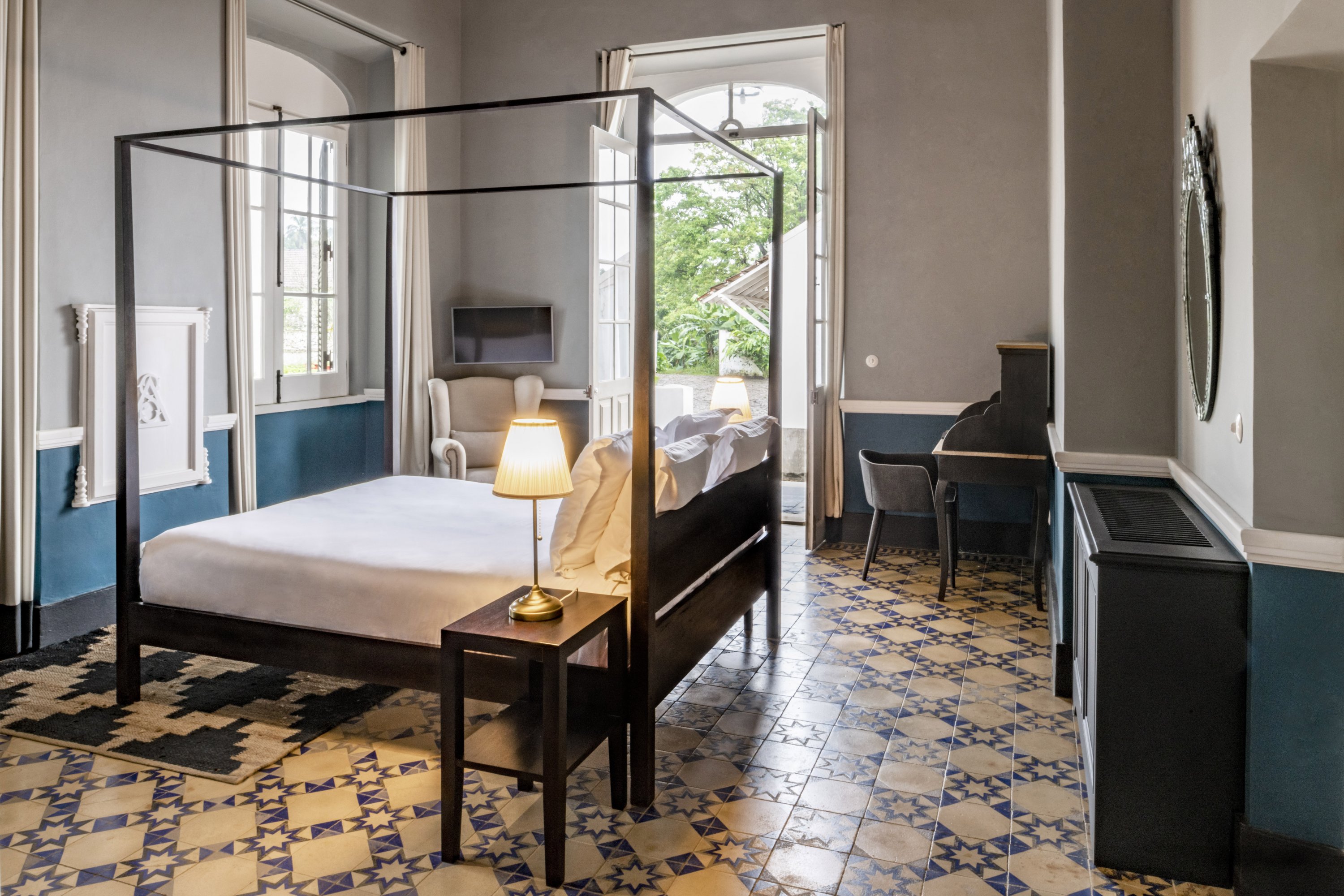
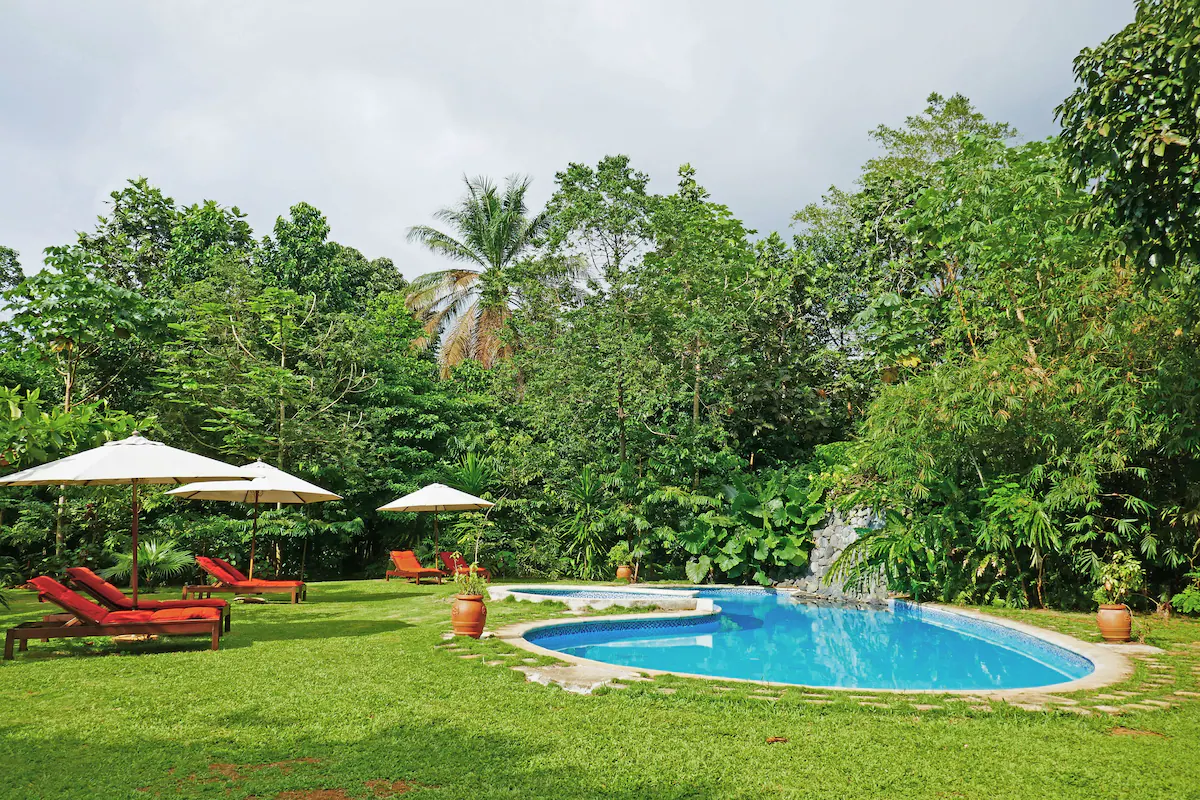
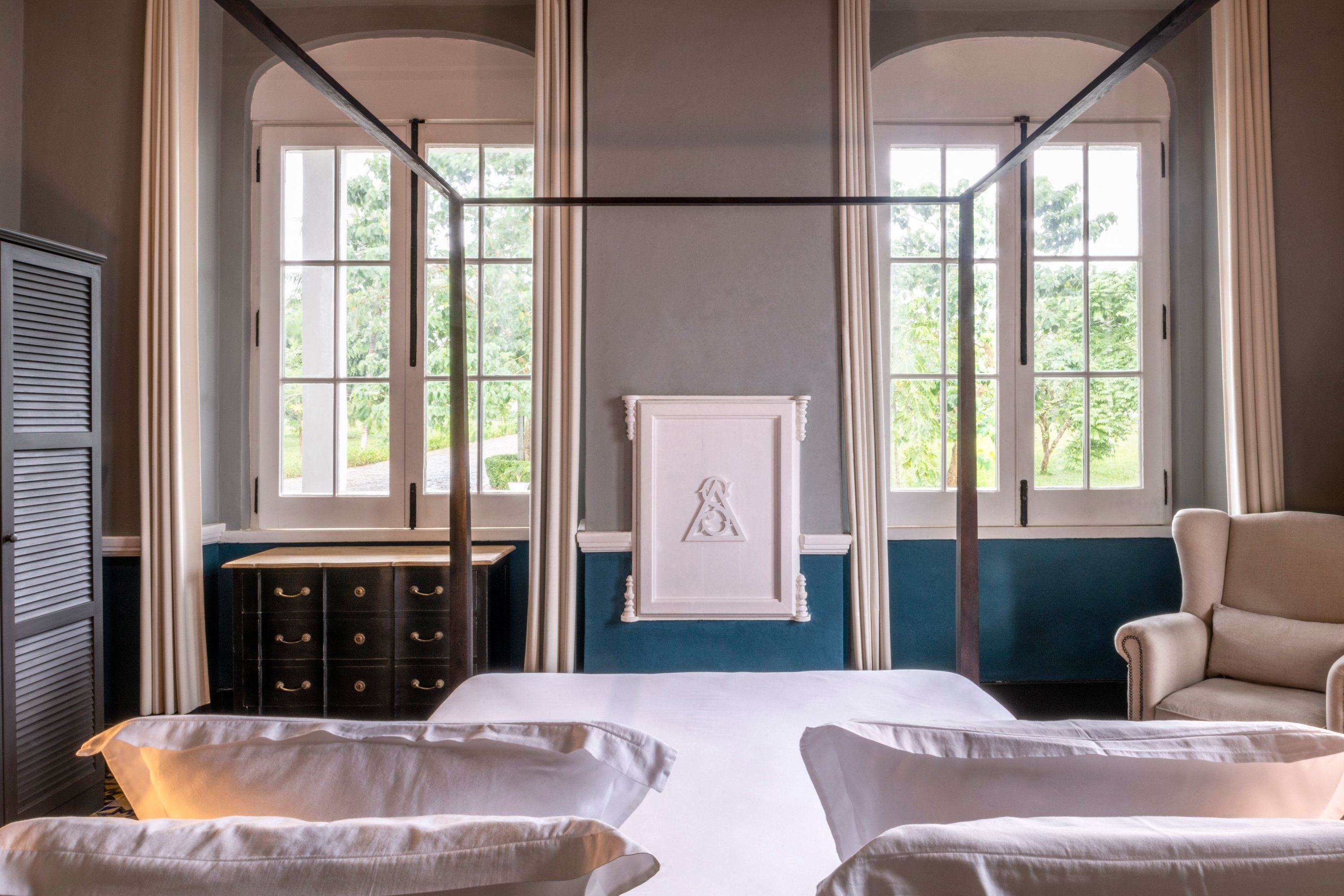
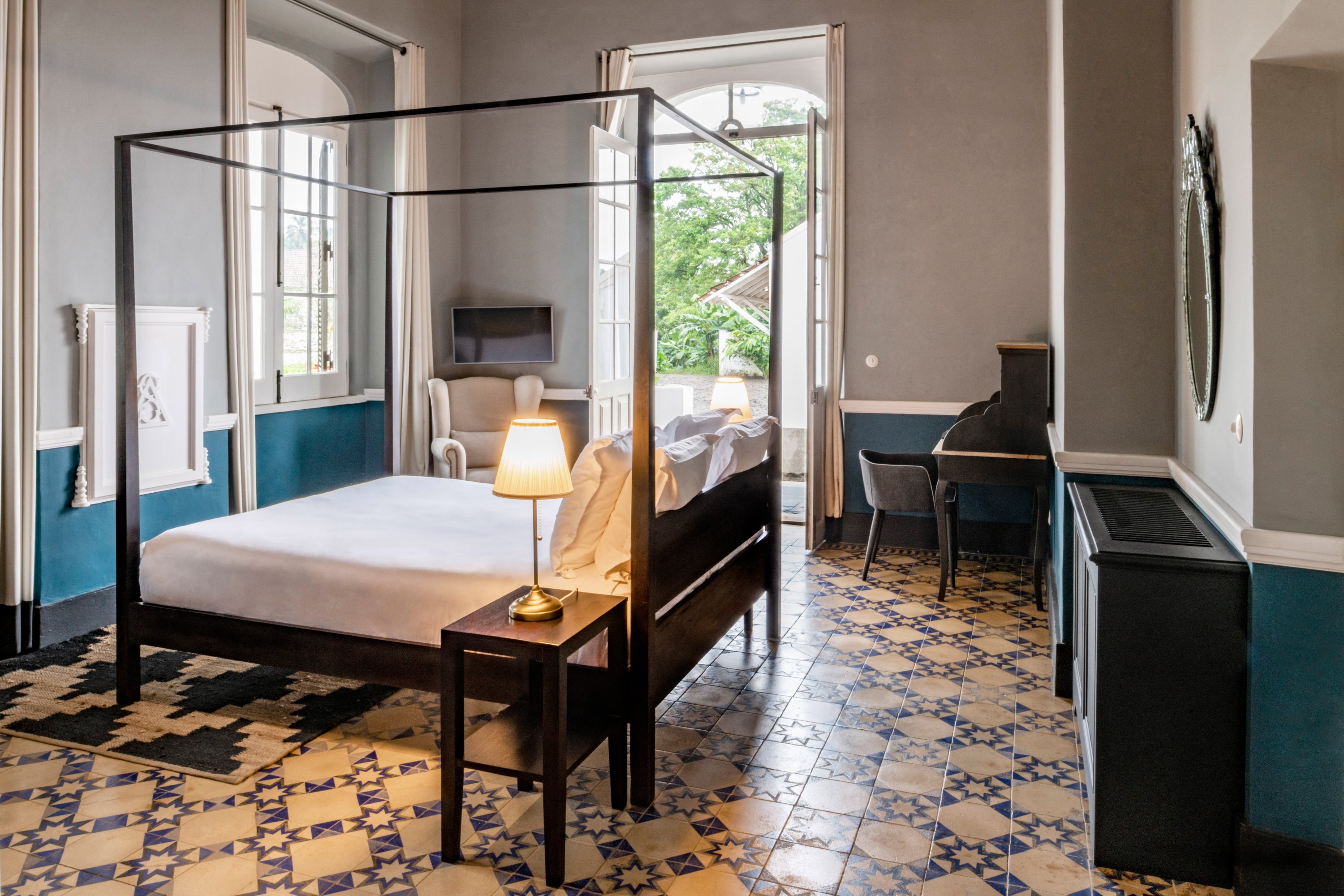
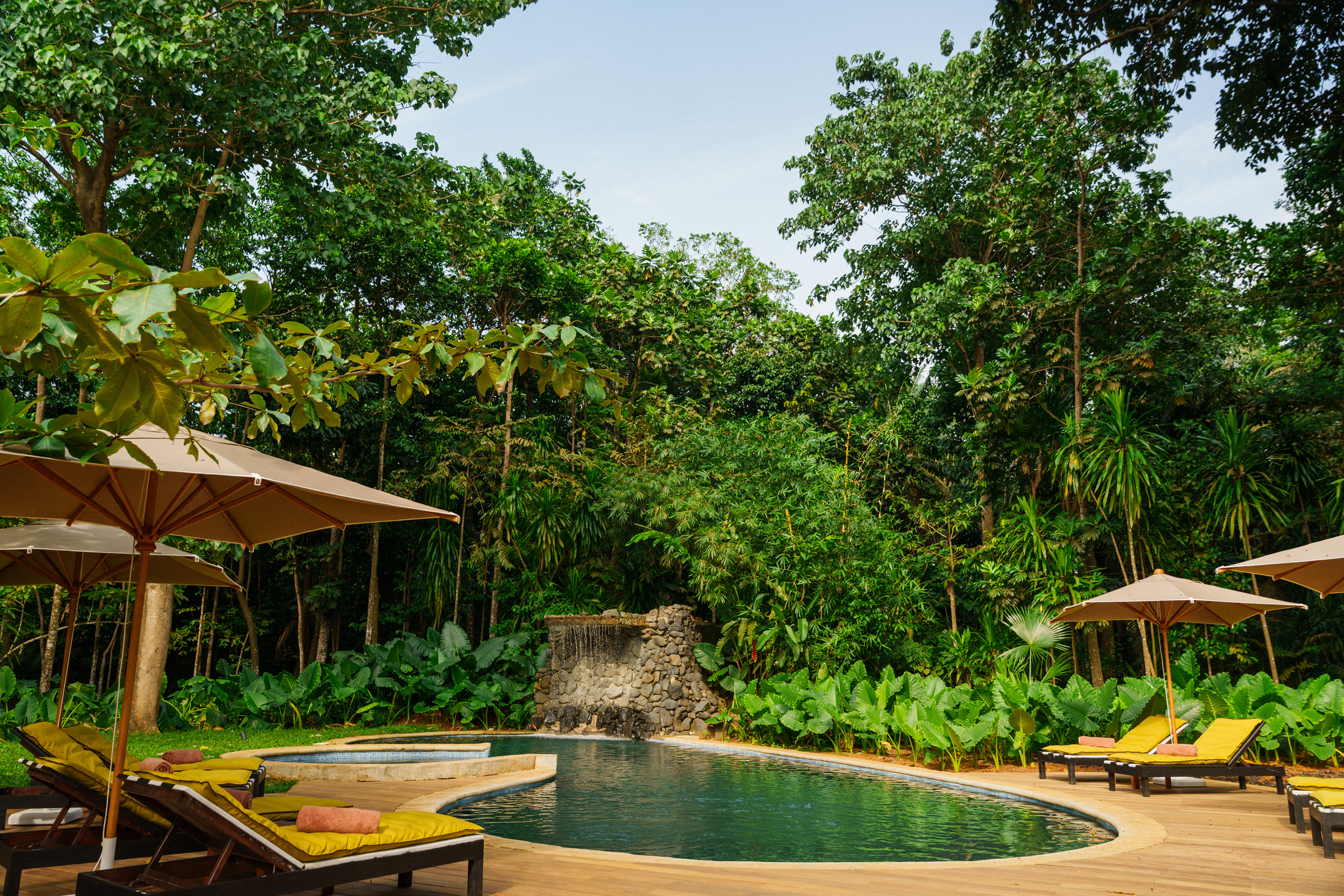
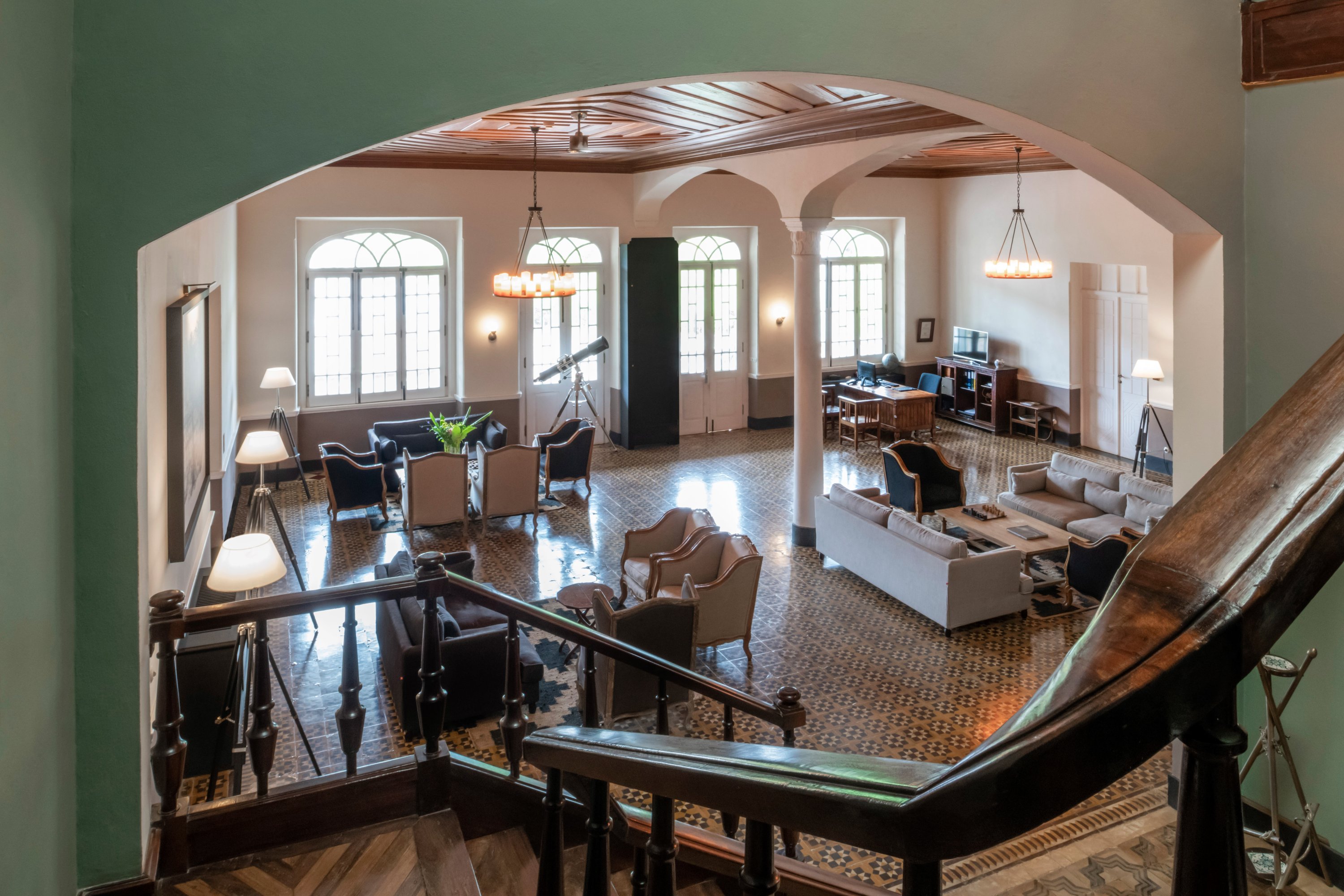
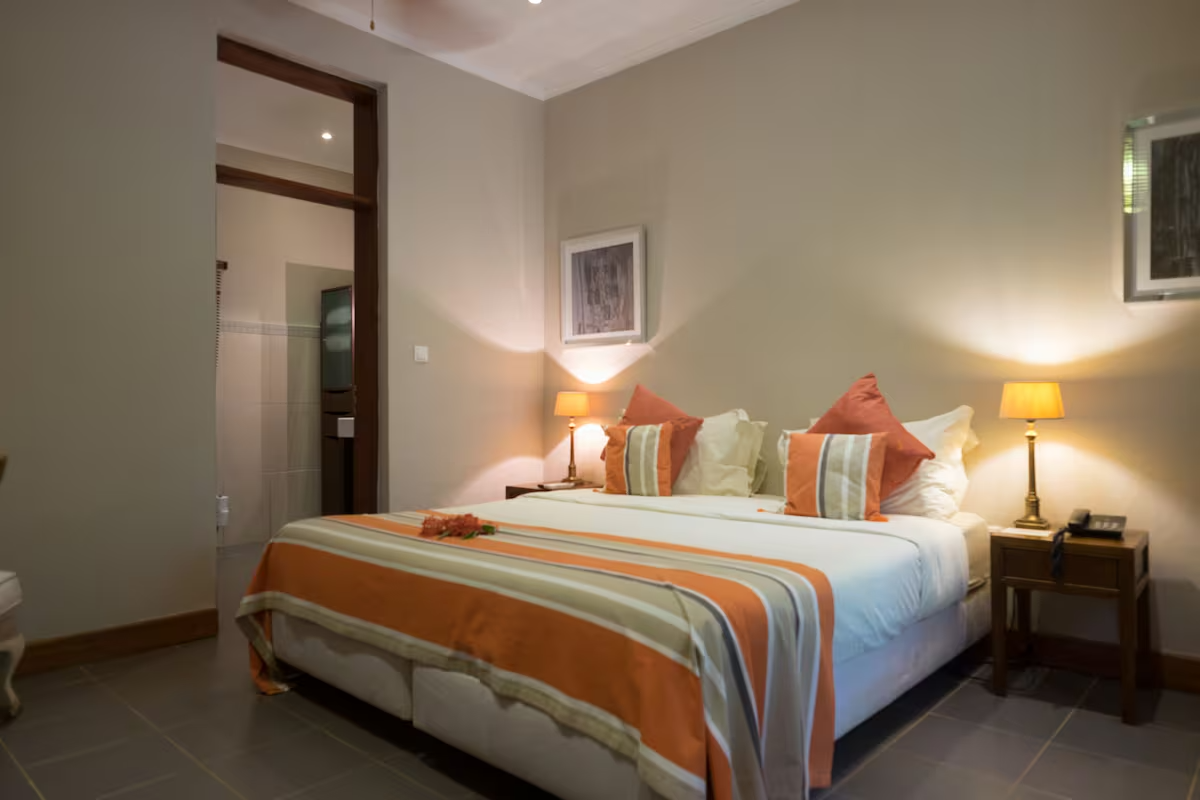
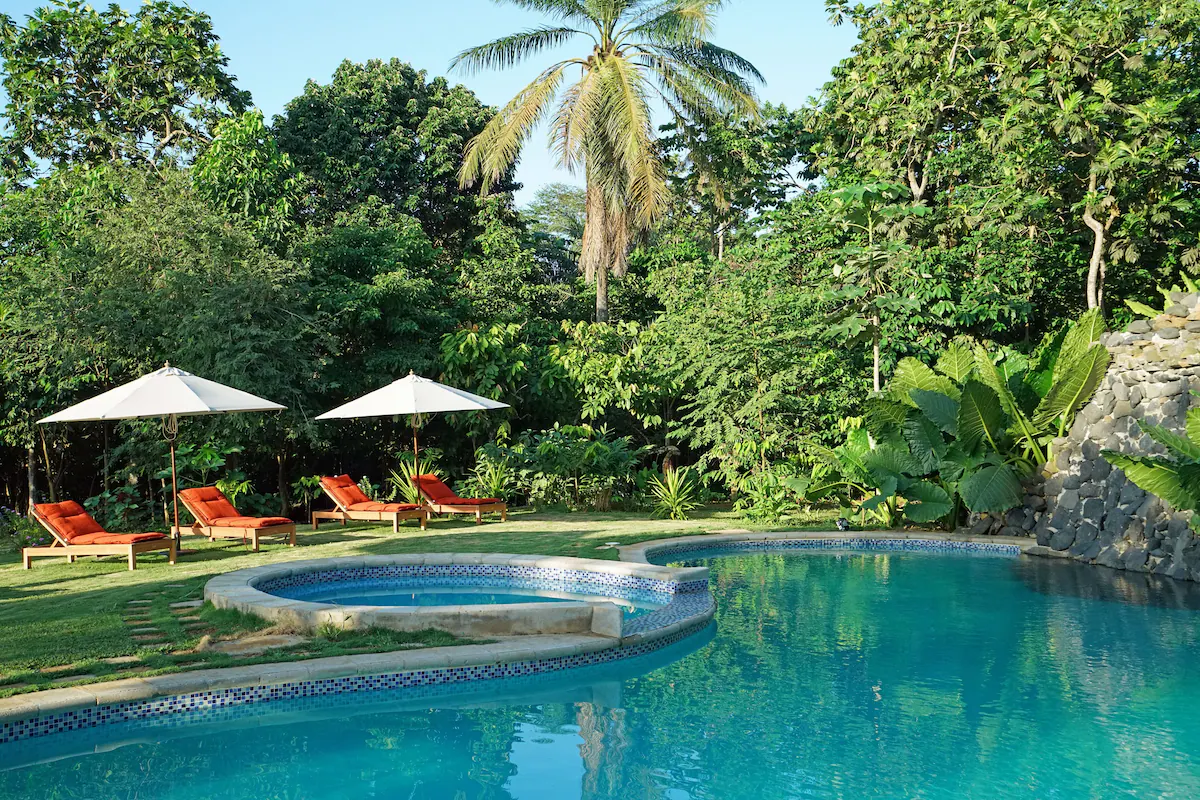
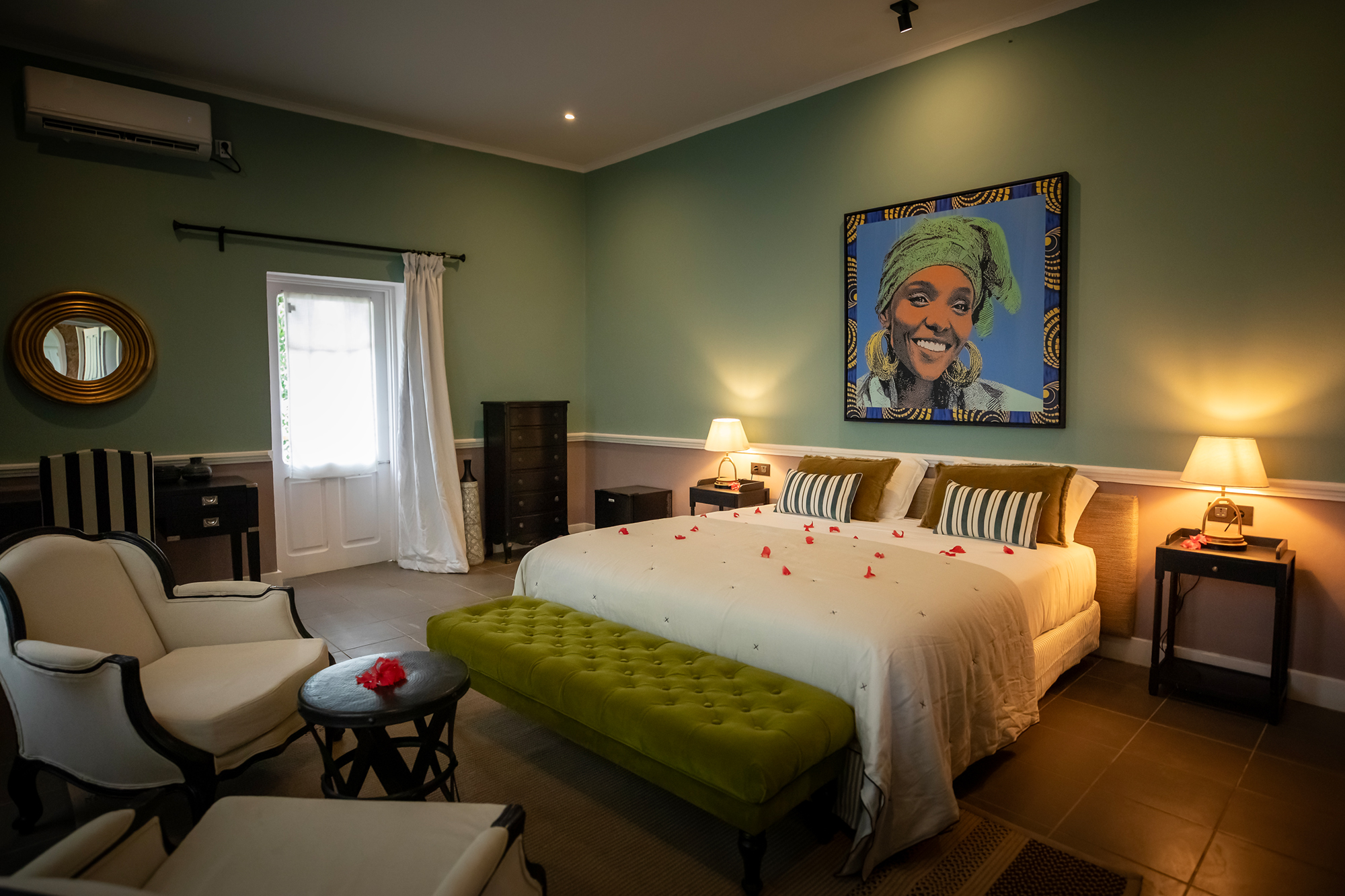
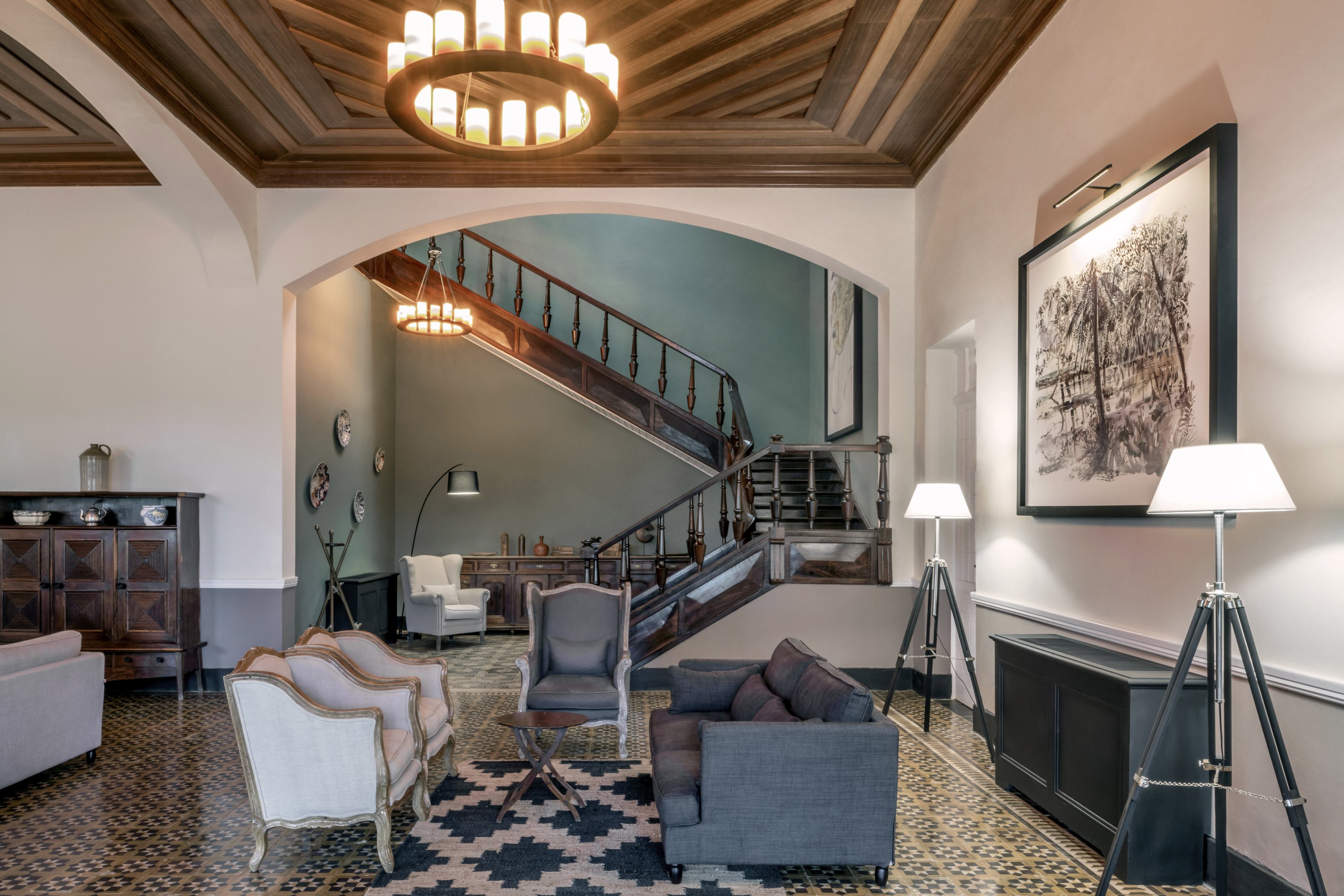
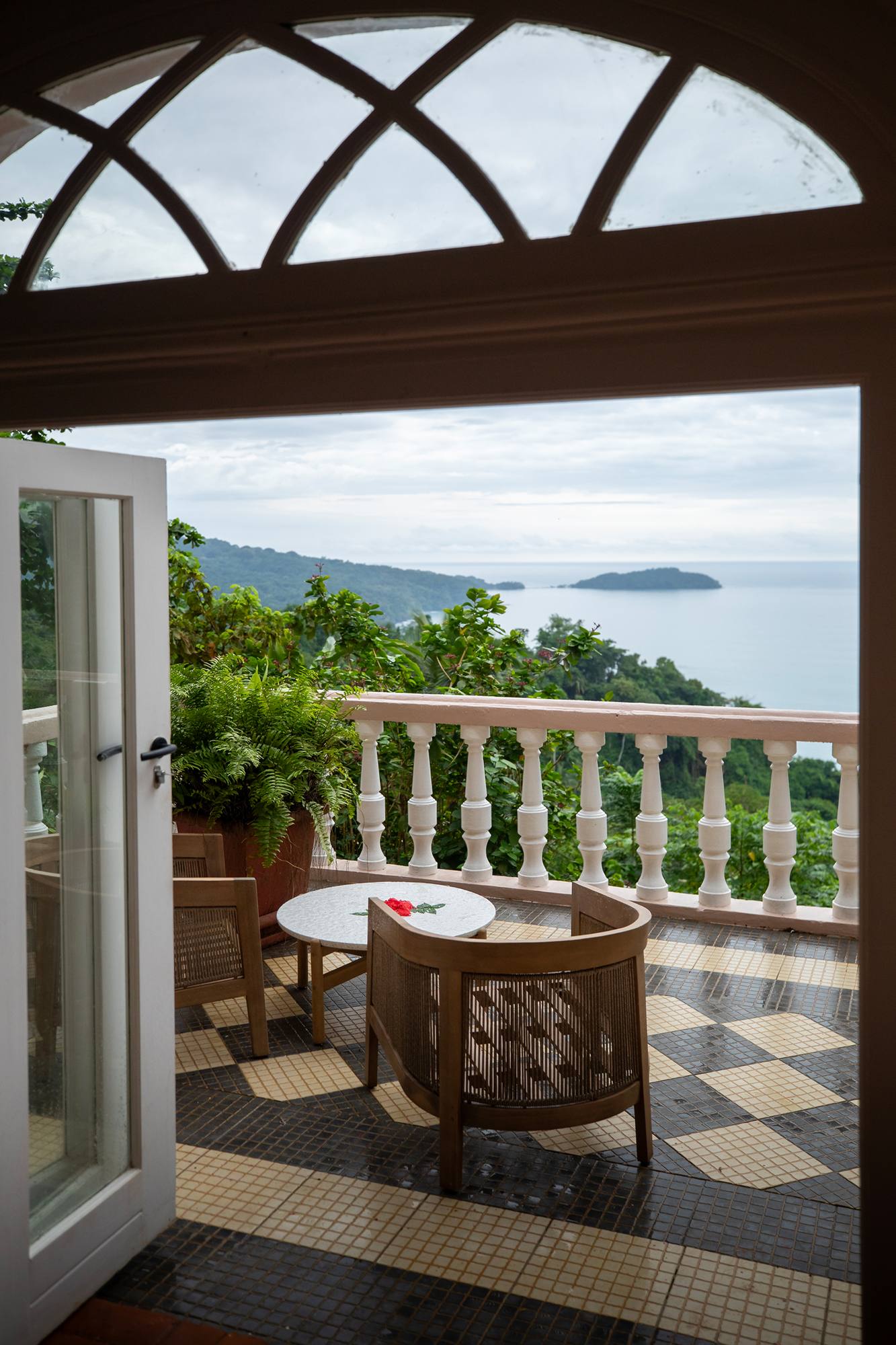
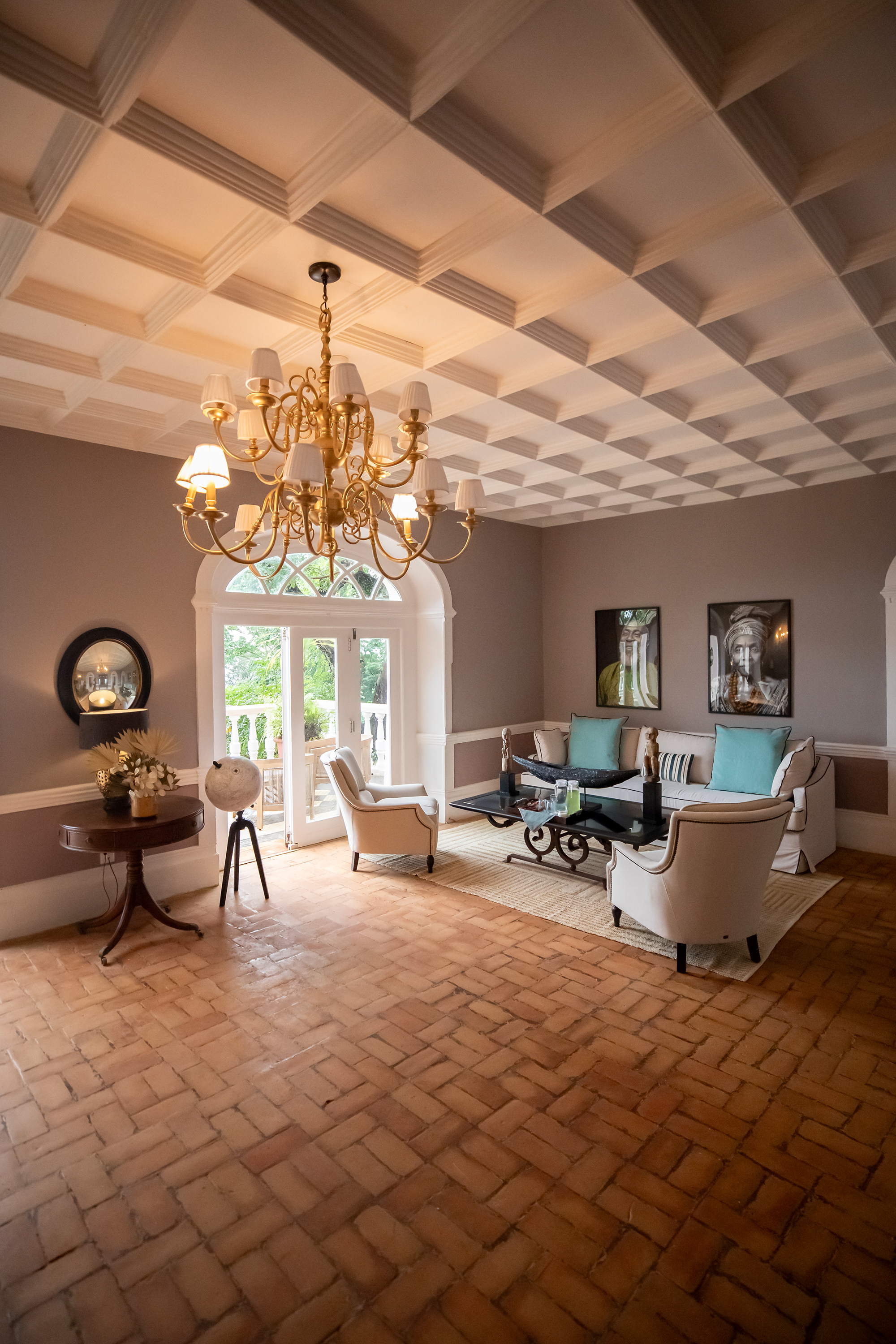
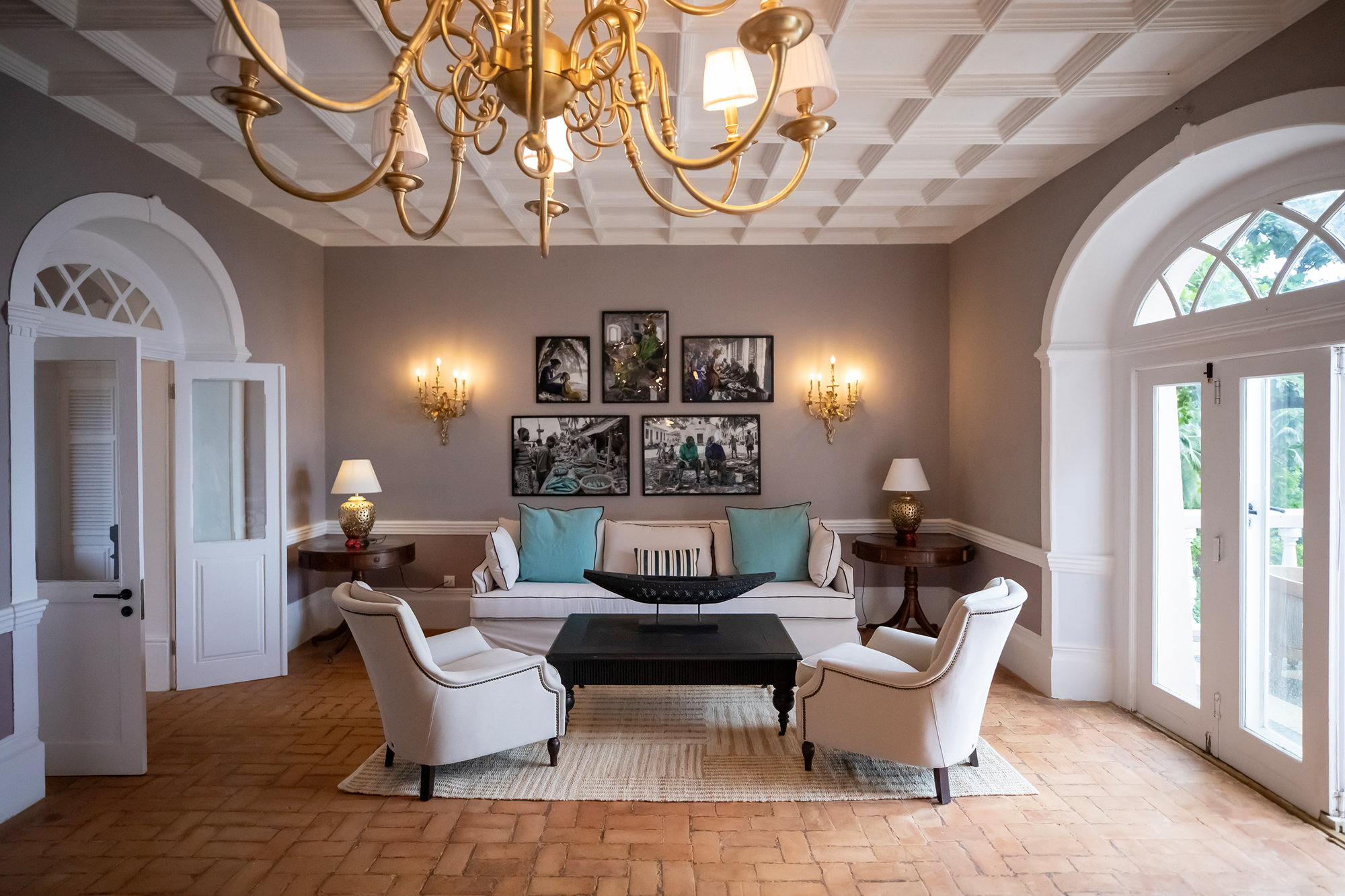
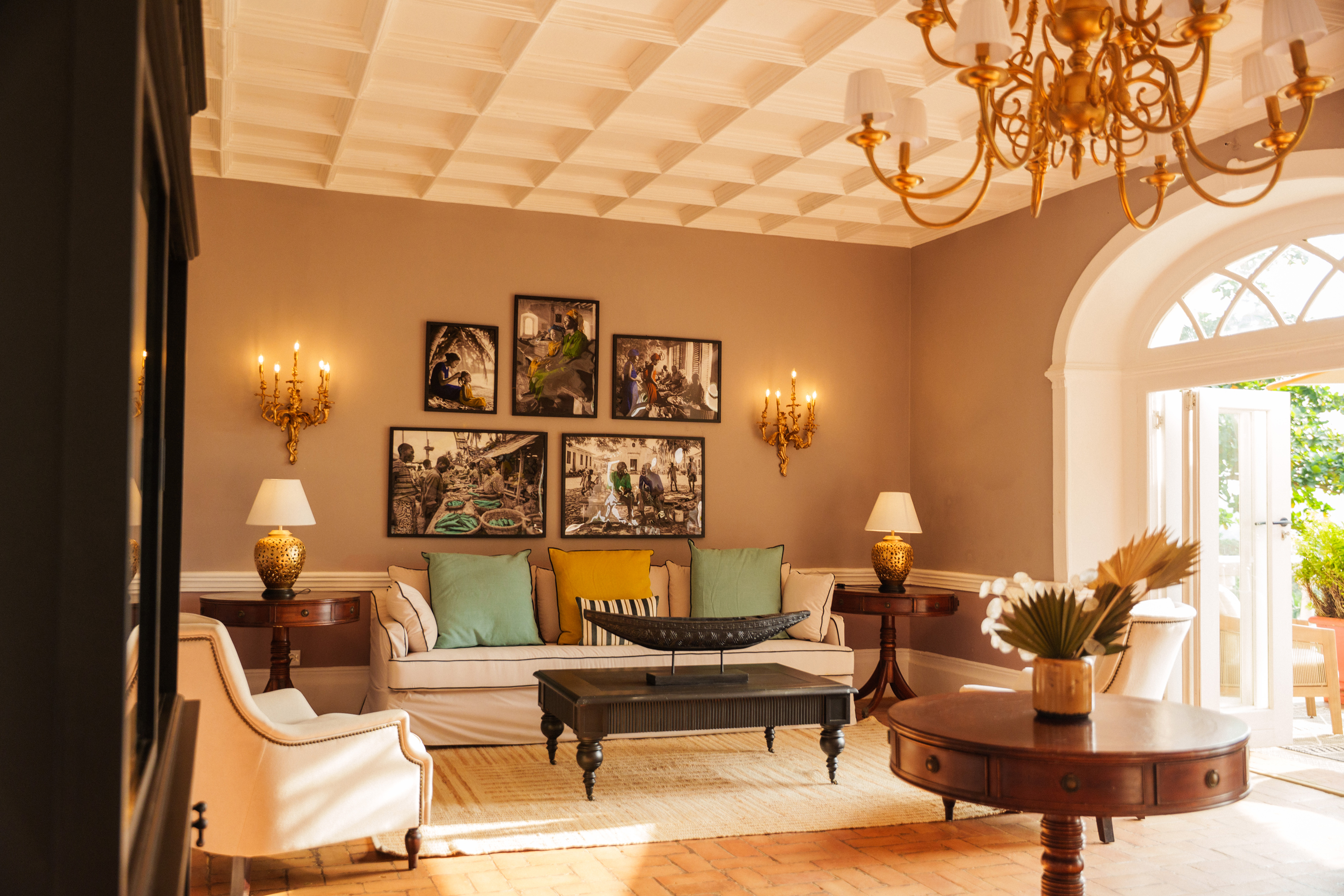
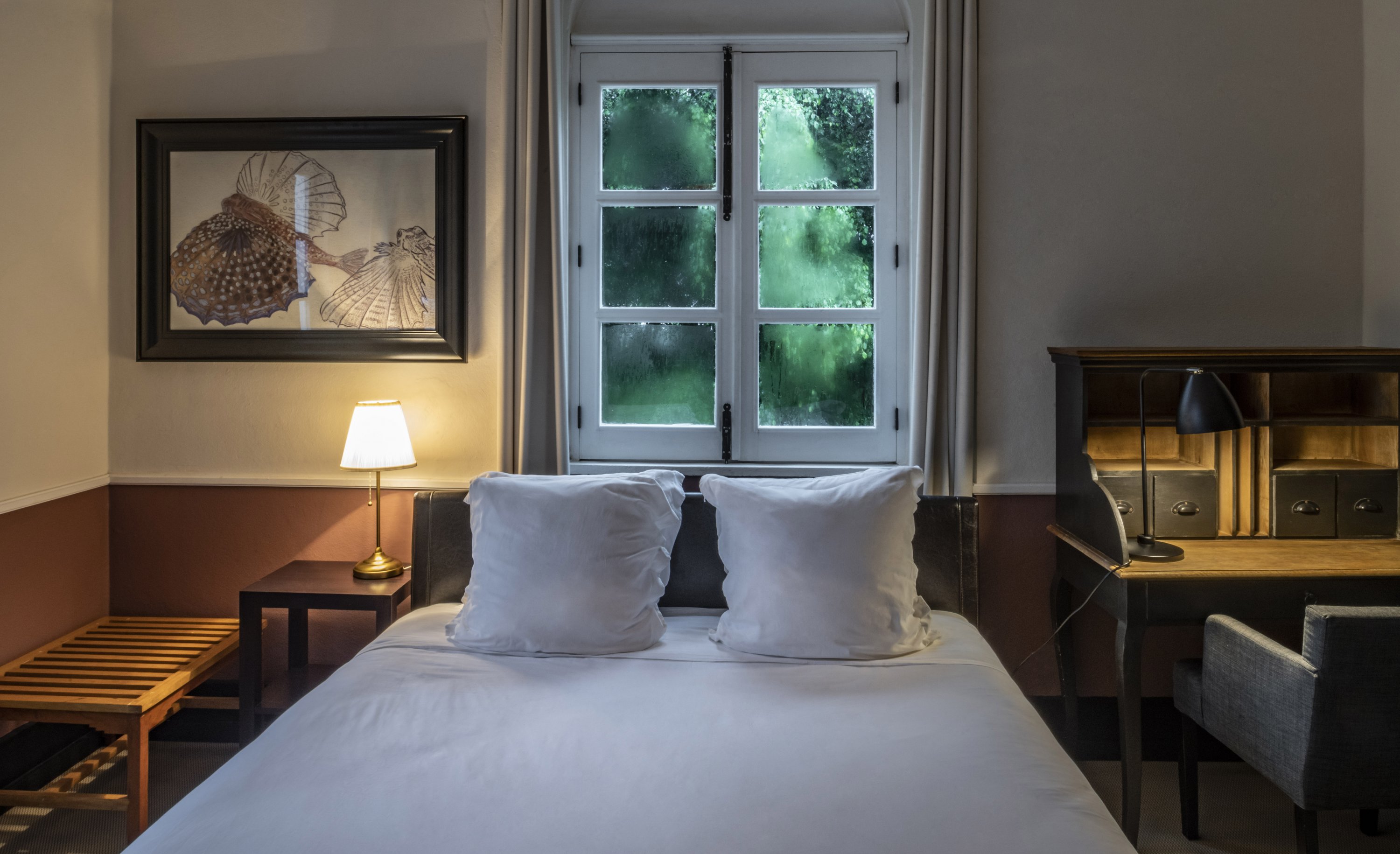
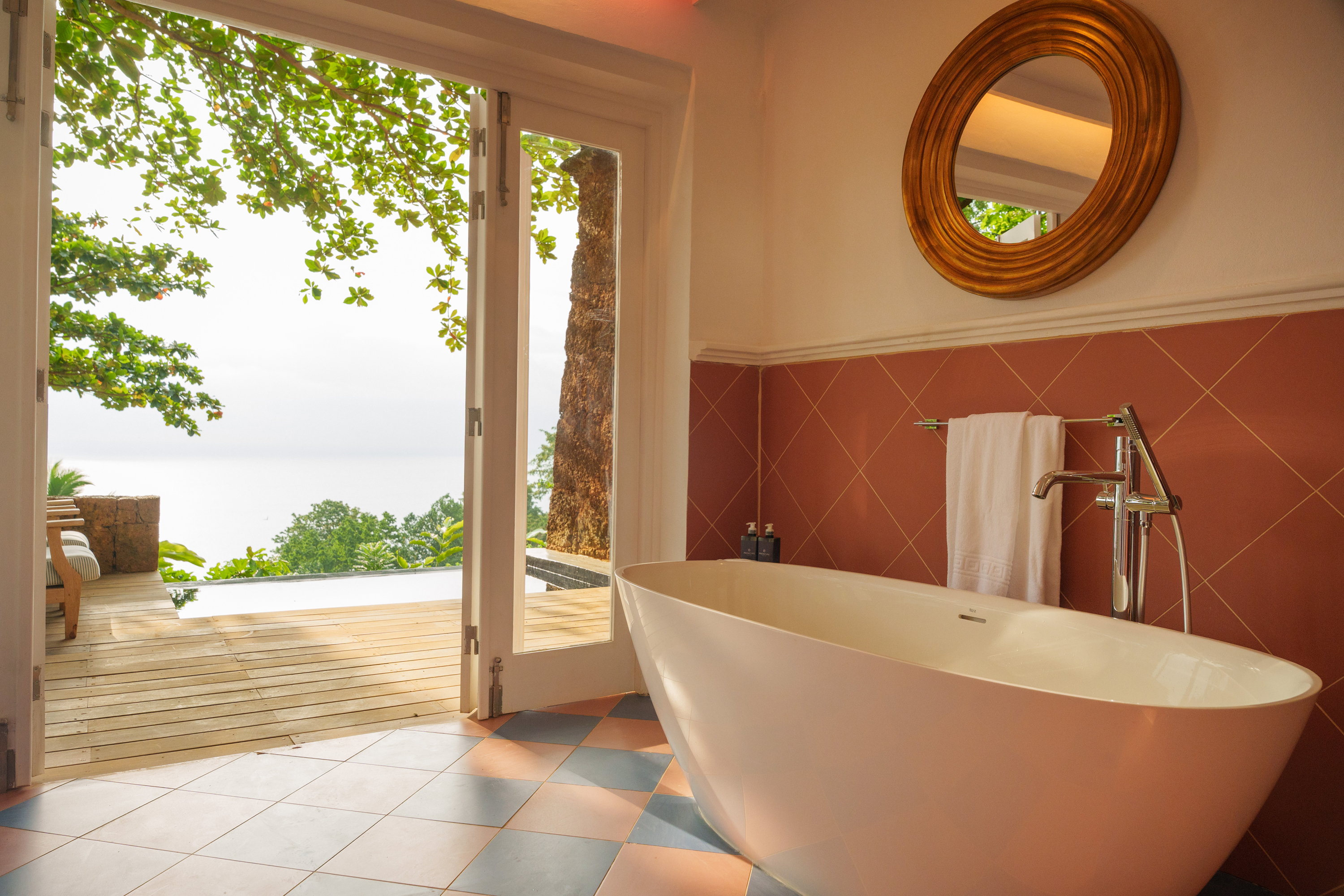
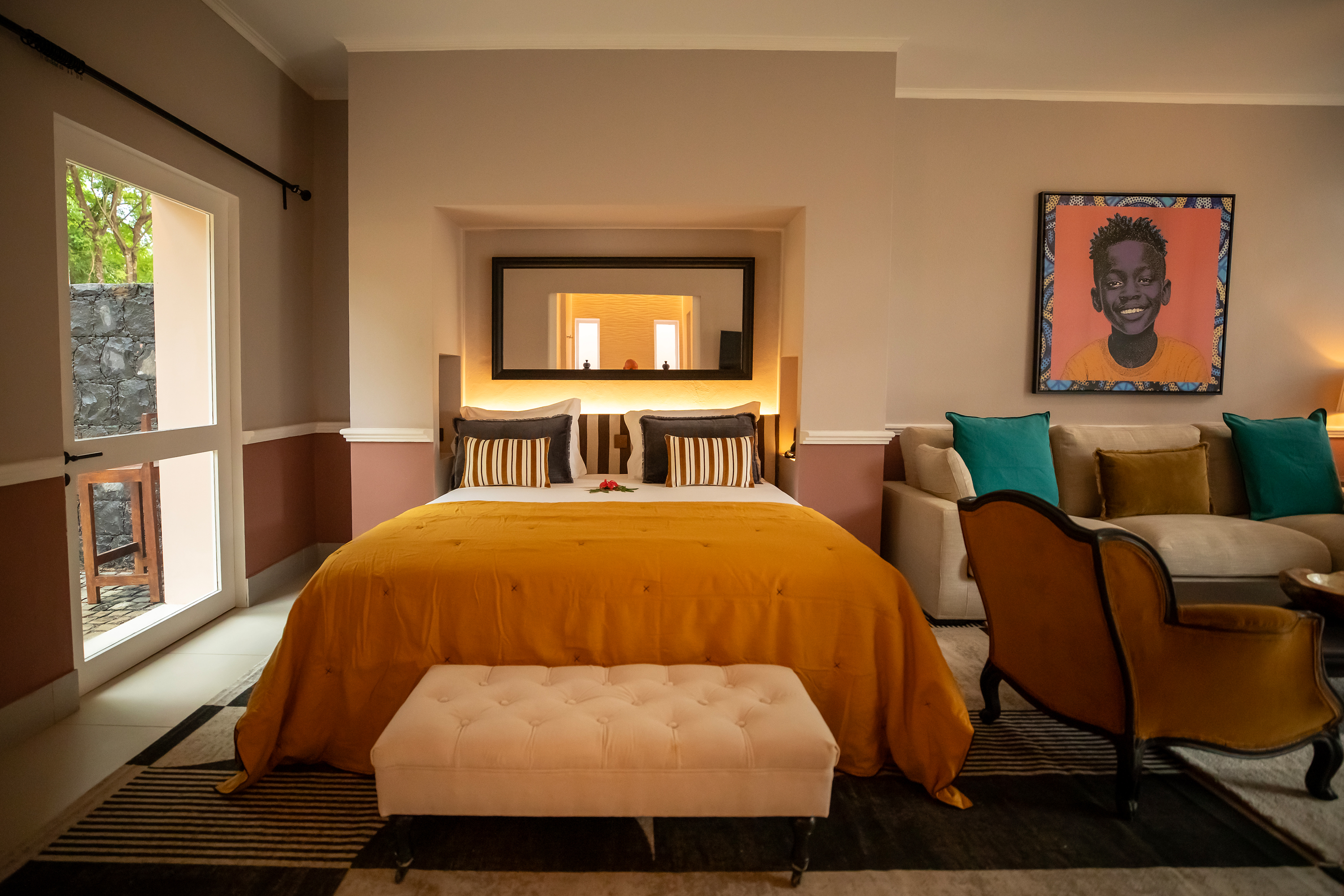
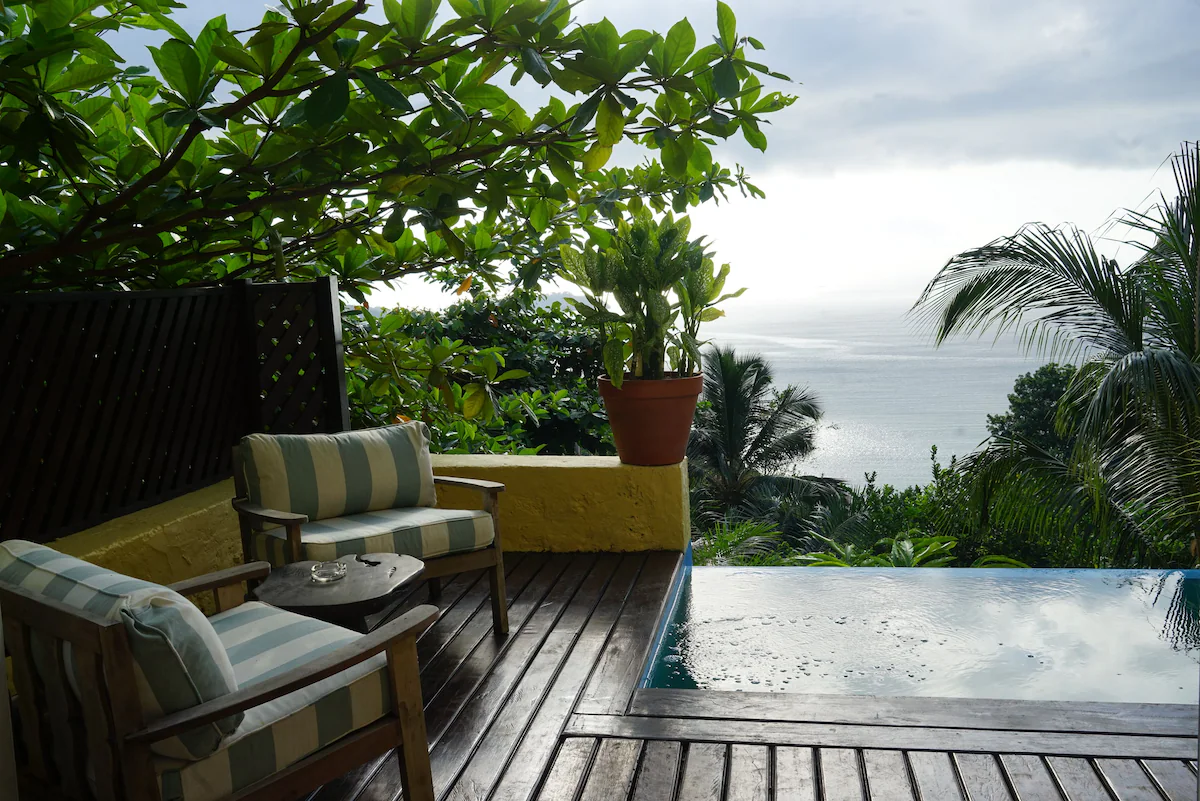
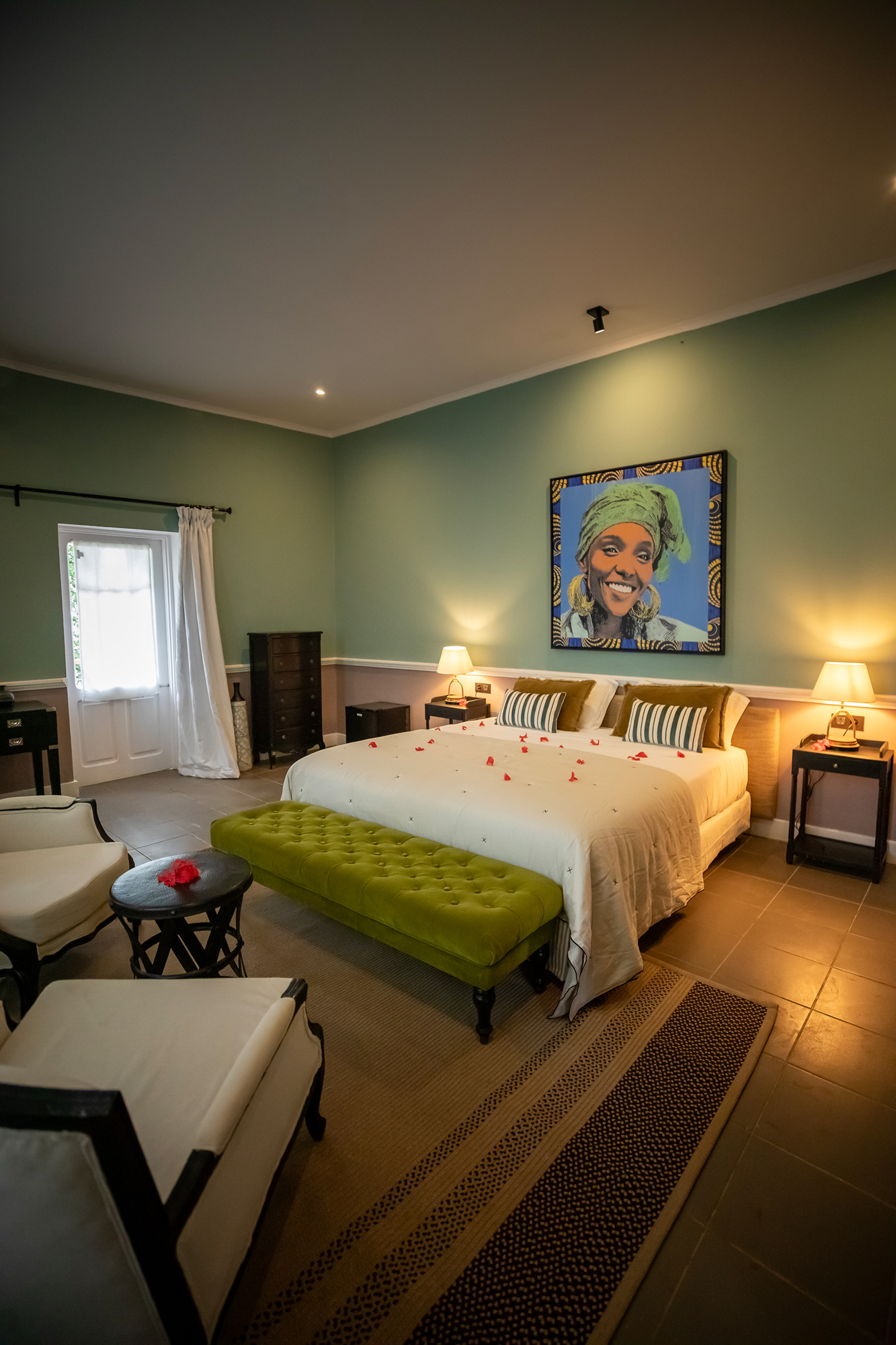
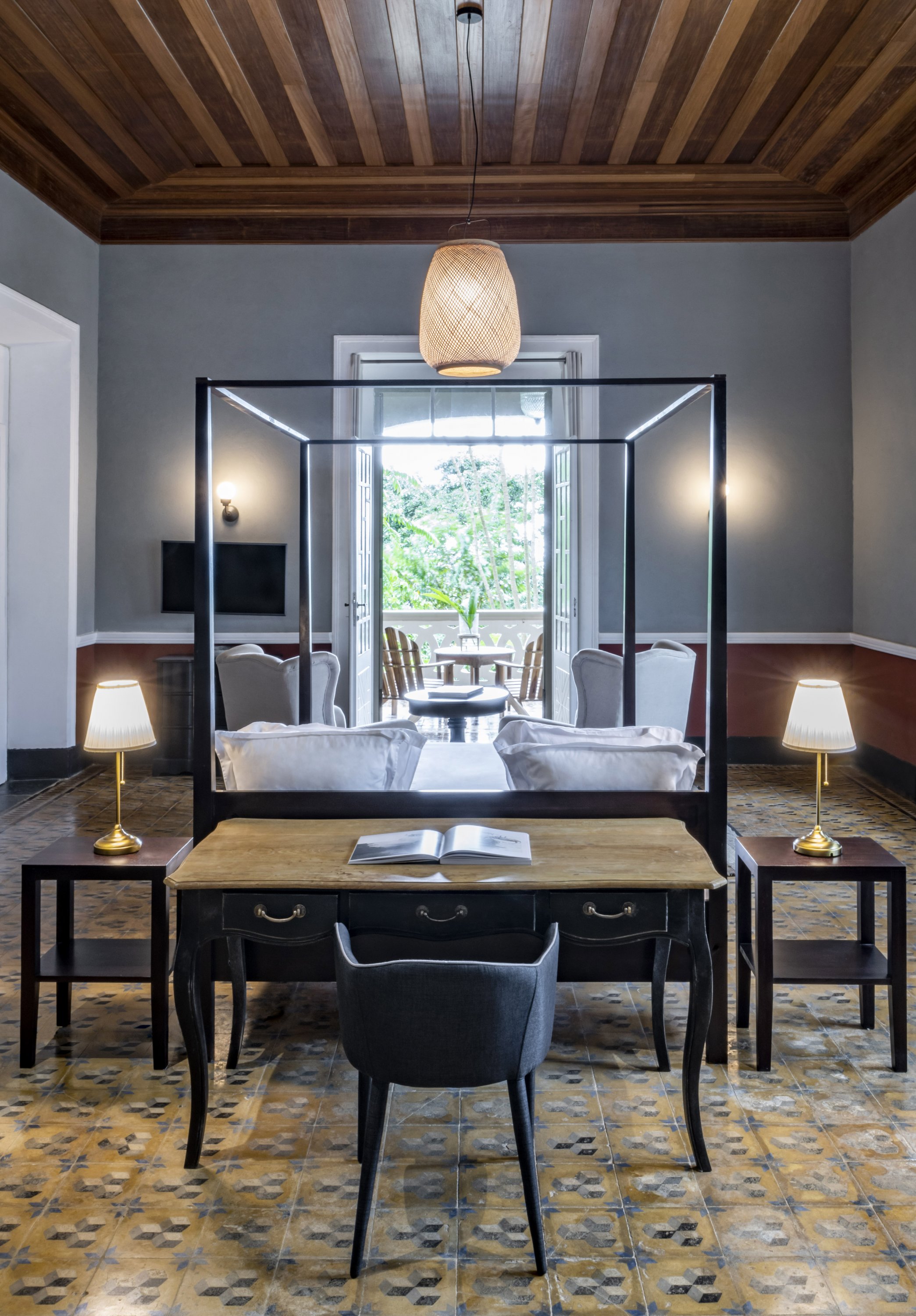
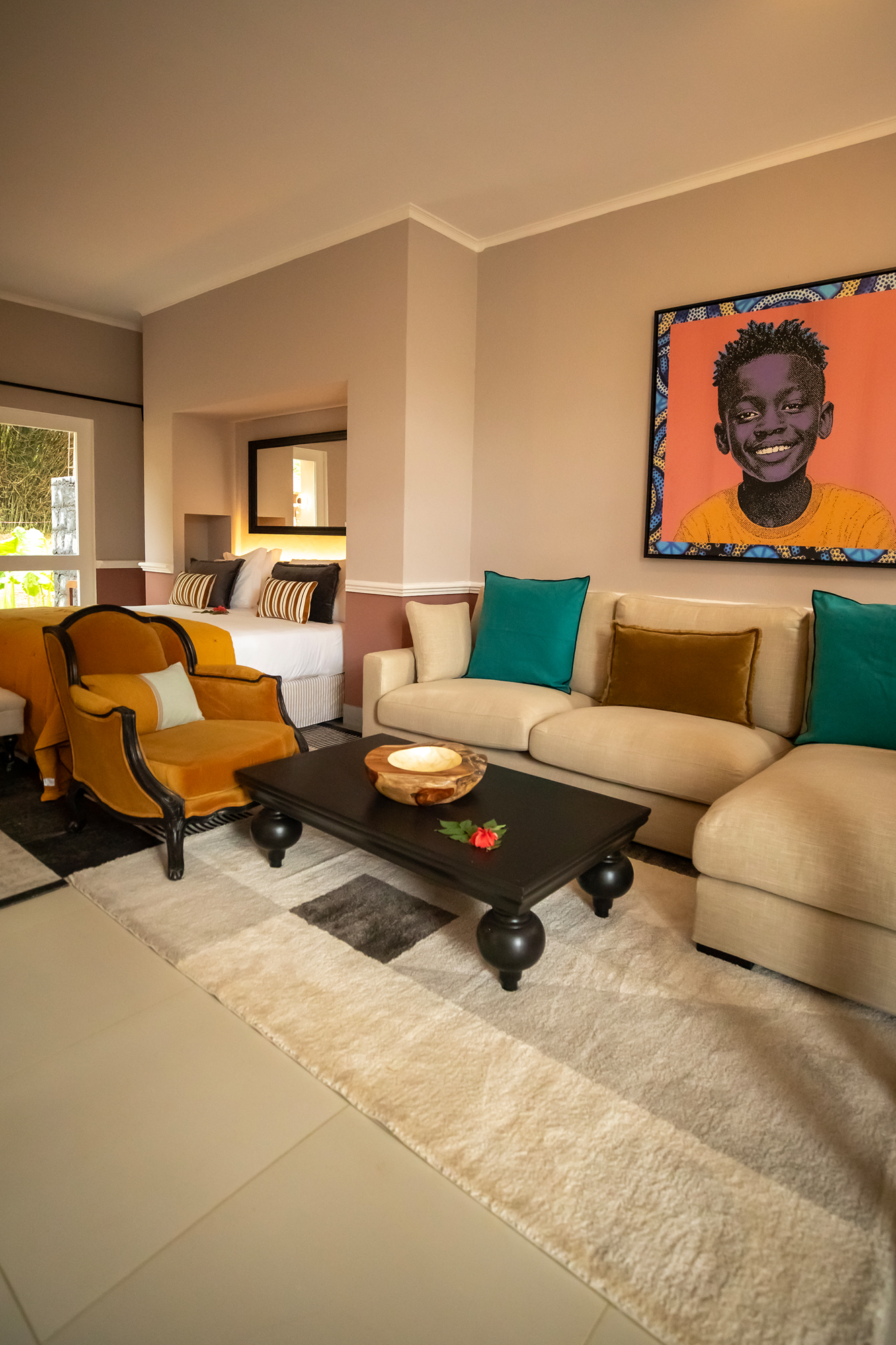
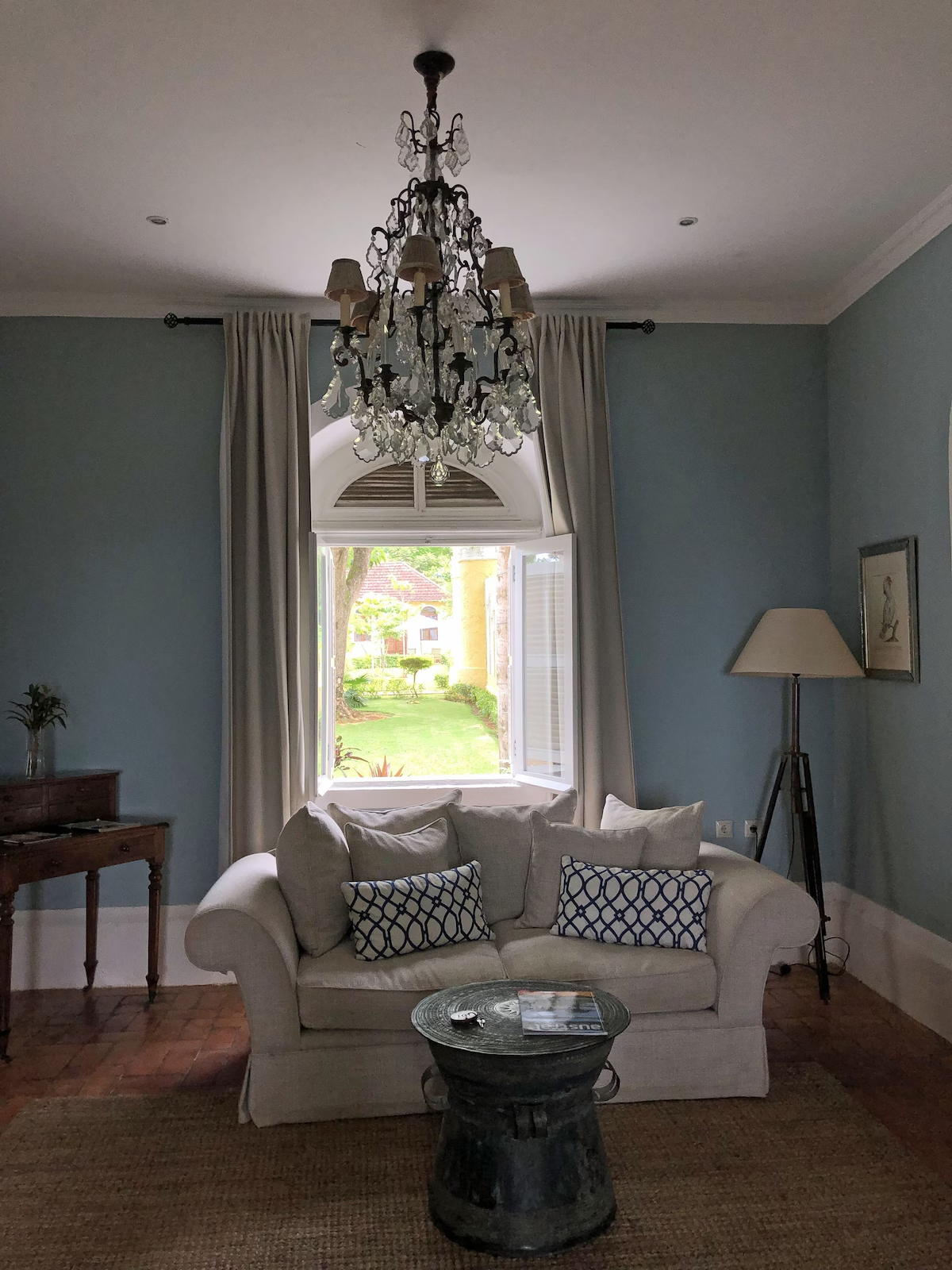
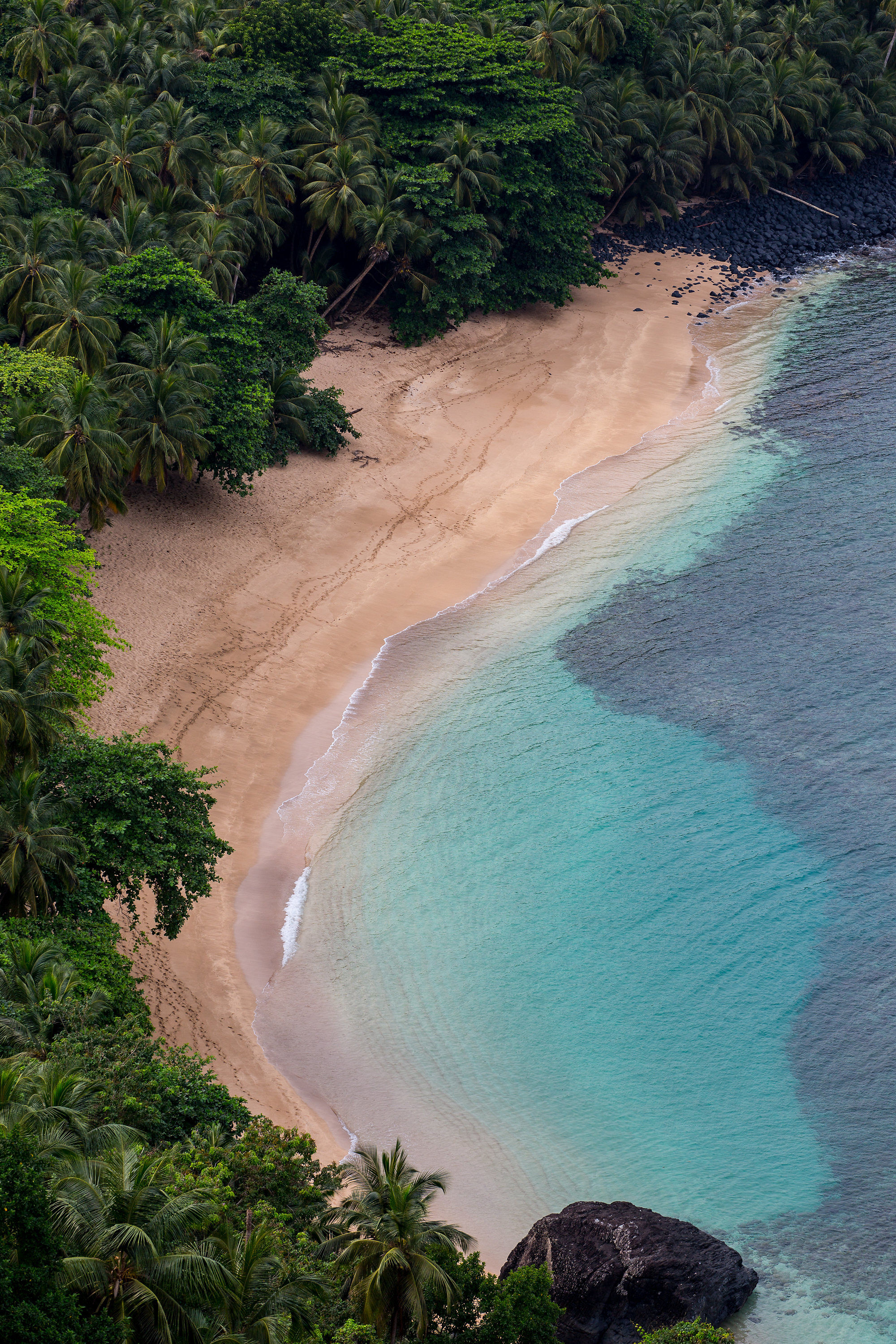
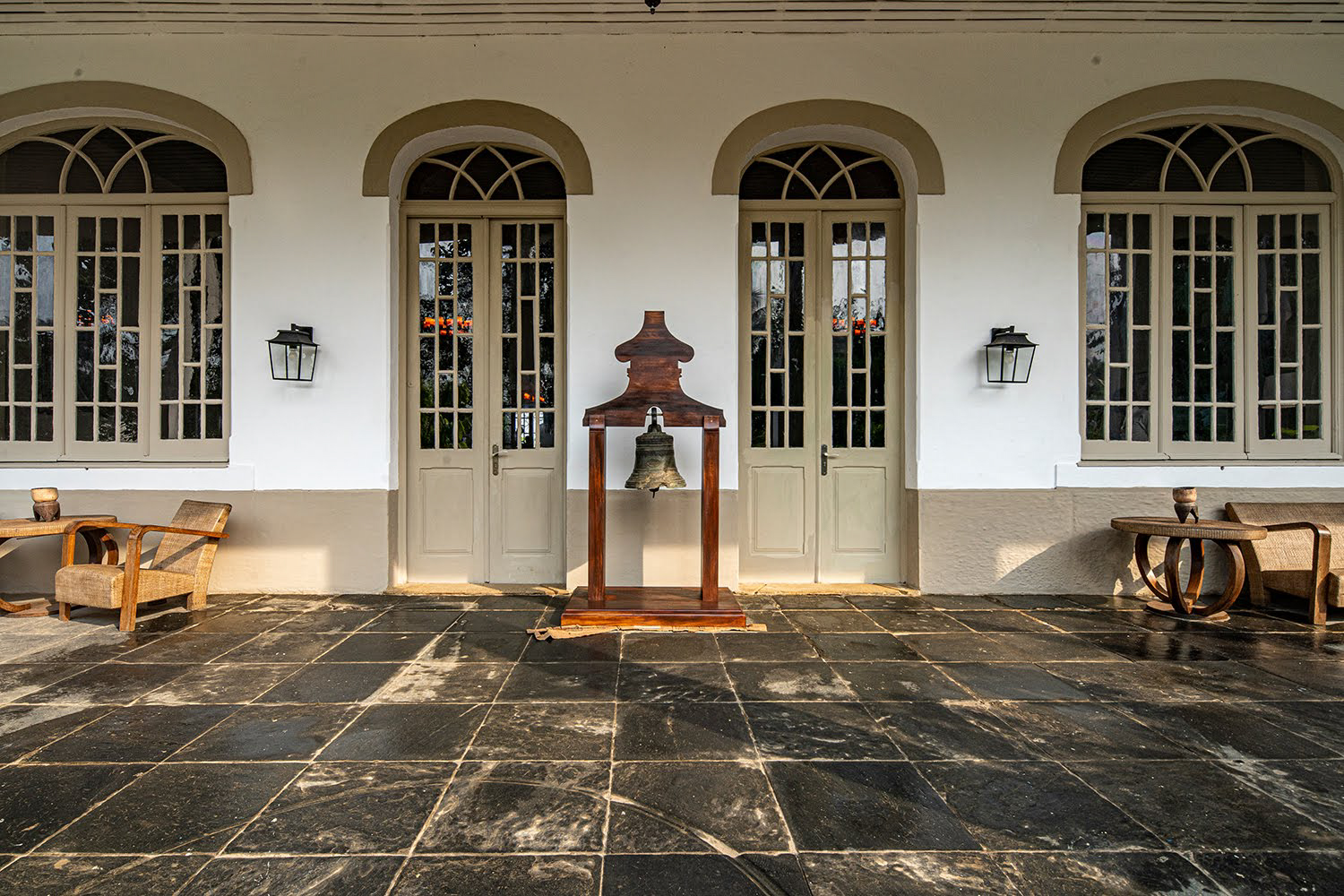
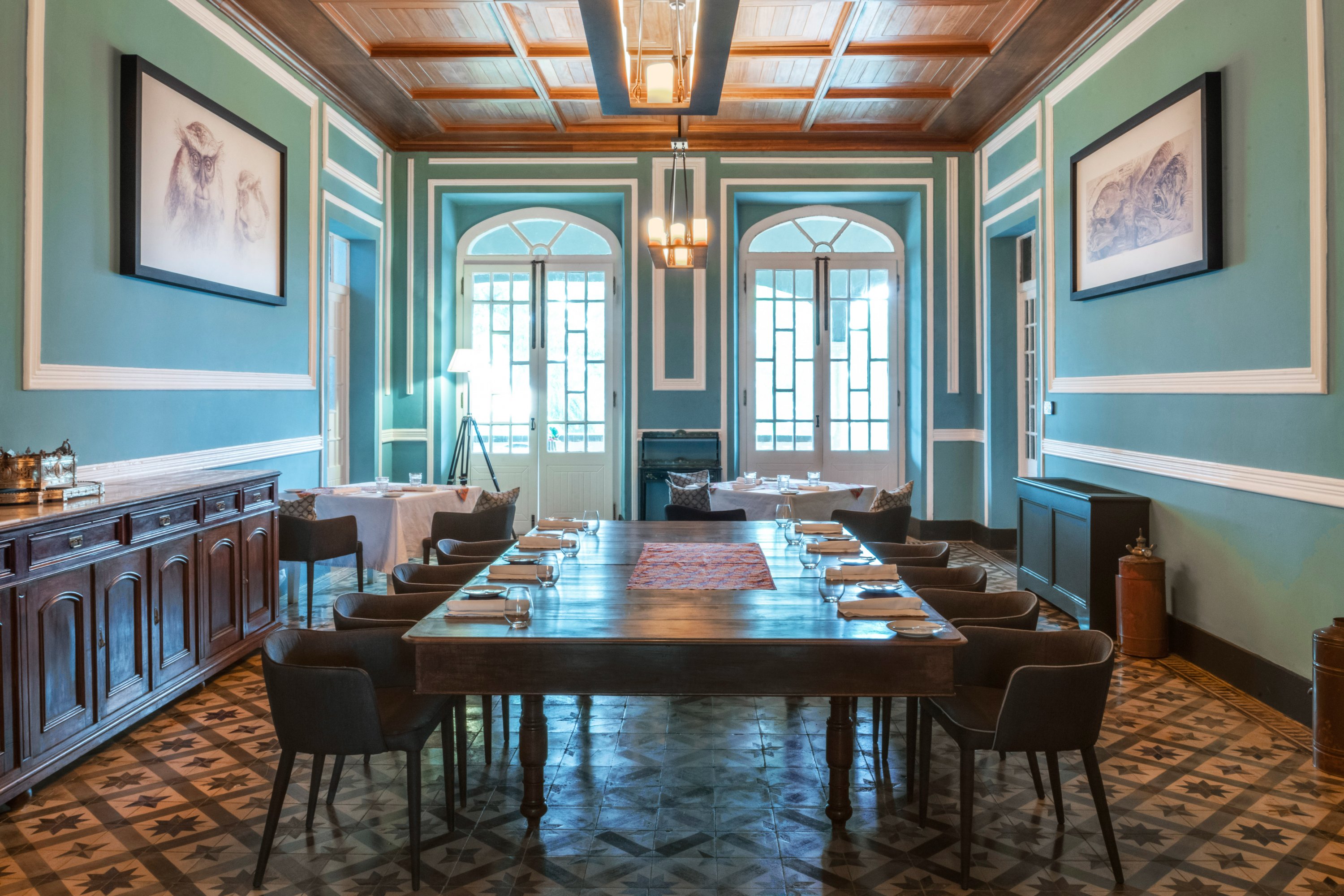
Perched high above the island's northern coastline, the estate looks across dense rainforest towards the Gulf of Guinea and Banana Beach below. Today, the former plantation house has been carefully restored as a hotel, allowing guests to experience the atmosphere of one of Príncipe's historic estates while remaining immersed in the island's remarkable natural surroundings.

Its inclusion on the UNESCO World Heritage List recognises Belo Monte not as an isolated building, but as part of a wider cultural landscape, one where agriculture, architecture and nature continue to exist side by side.

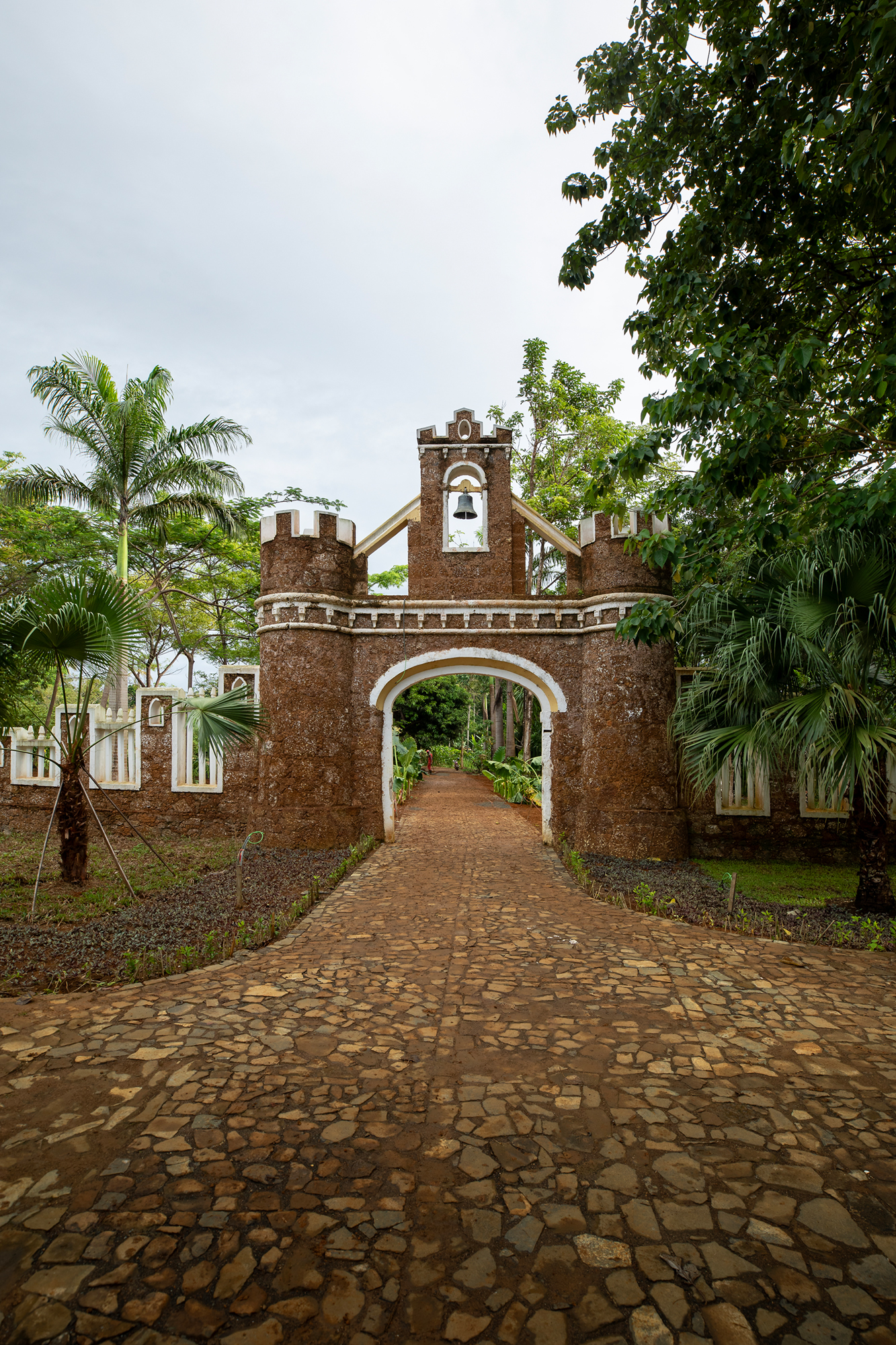
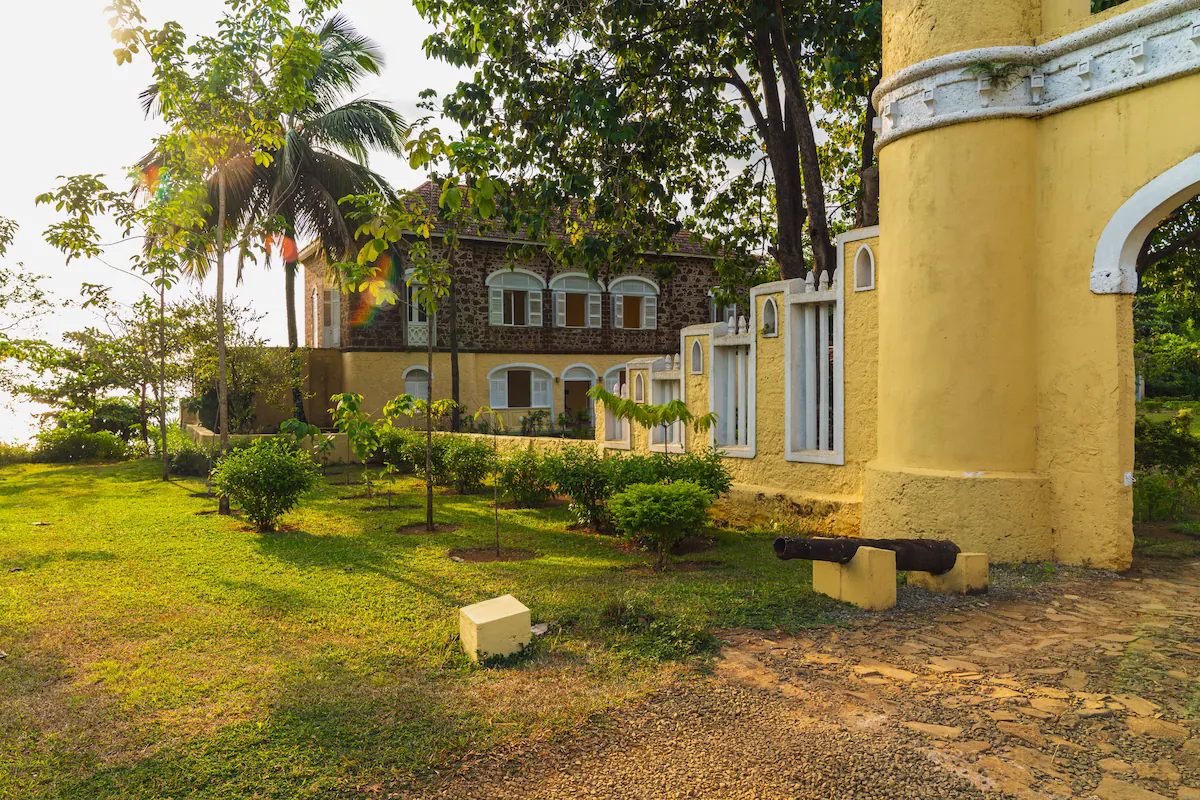
Historic fortified stone gateway with a bell tower at the entrance to Belo Monte on Príncipe Island

Roça Sundy: History, science and restoration

Founded in 1822, Roça Sundy became one of the largest and most important cocoa and coffee plantations in São Tomé and Príncipe. Its influence extended far beyond agriculture, leaving an architectural and cultural legacy that remains central to the island's identity.

The estate is also known for another remarkable chapter in history:

In 1919, British astronomer Sir Arthur Eddington travelled to Sundy to observe a total solar eclipse. His measurements provided the first experimental confirmation of Albert Einstein's General Theory of Relativity, placing this small corner of Príncipe at the centre of one of the most significant scientific discoveries of the twentieth century.

Today, Roça Sundy is entering a new phase of its story.

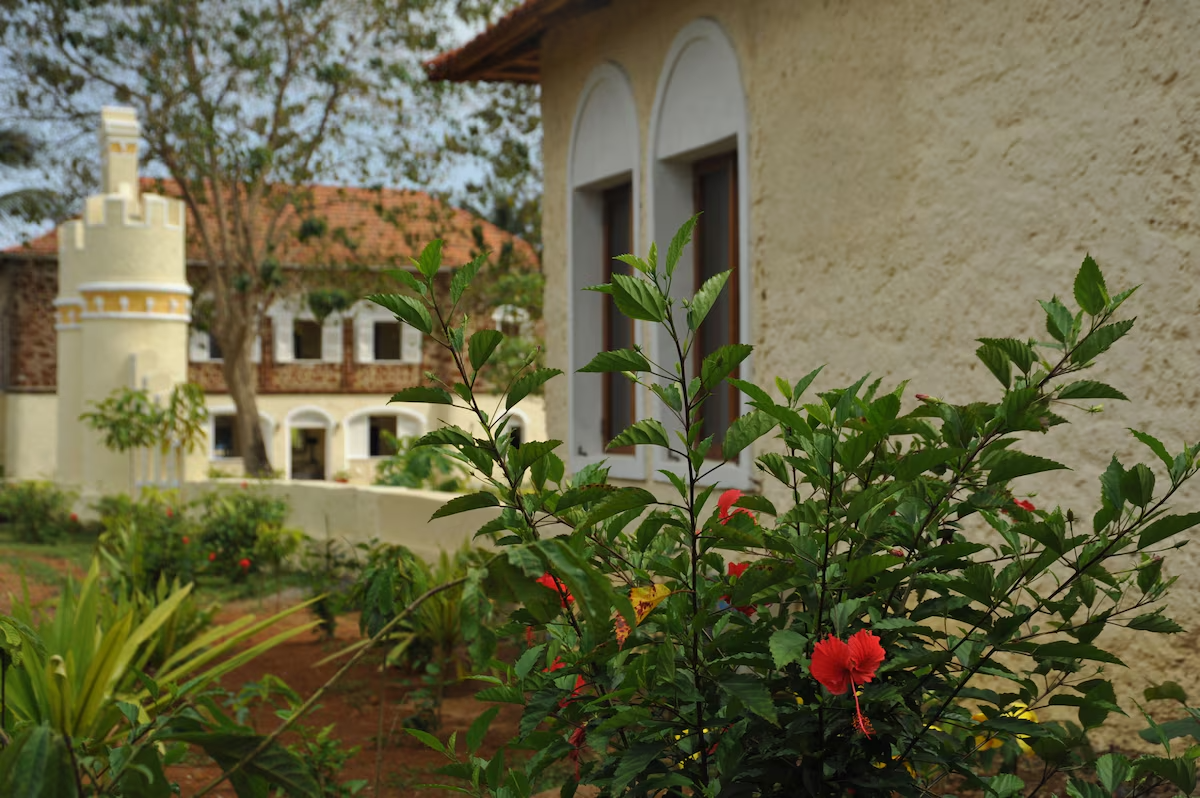
While the historic hotel is currently undergoing an extensive refurbishment, restoration efforts extend far beyond the former governor's residence. The project also encompasses the historic casas comboio - the long rows of workers' dwellings, traditionally known as senzalas, that formed an essential part of the estate. These buildings are being carefully restored with the aim of preserving their architectural character while giving them a new purpose as spaces for culture, creativity and hospitality.
This approach reflects an important principle of heritage conservation: preserving not only the most imposing buildings, but the complete story of the people who lived and worked within the estate.

Ruins of an old stone building surrounded by lush greenery

Heritage that continues to evolve

Unlike many World Heritage Sites, the roças are not monuments preserved behind barriers. They remain living places. Communities continue to shape the landscape. Buildings are adapted with care. New generations engage with the island's history while creating new stories of their own.

For Príncipe Collection, caring for Belo Monte and Roça Sundy has never been about recreating the past. It has been about ensuring these extraordinary places remain relevant, protecting their authenticity while allowing them to continue contributing to the cultural, social and economic life of Príncipe.

UNESCO's recognition reinforces that philosophy. It reminds us that heritage is not simply something to admire. It is something to understand, protect and pass on.

Discovering a UNESCO World Heritage Site

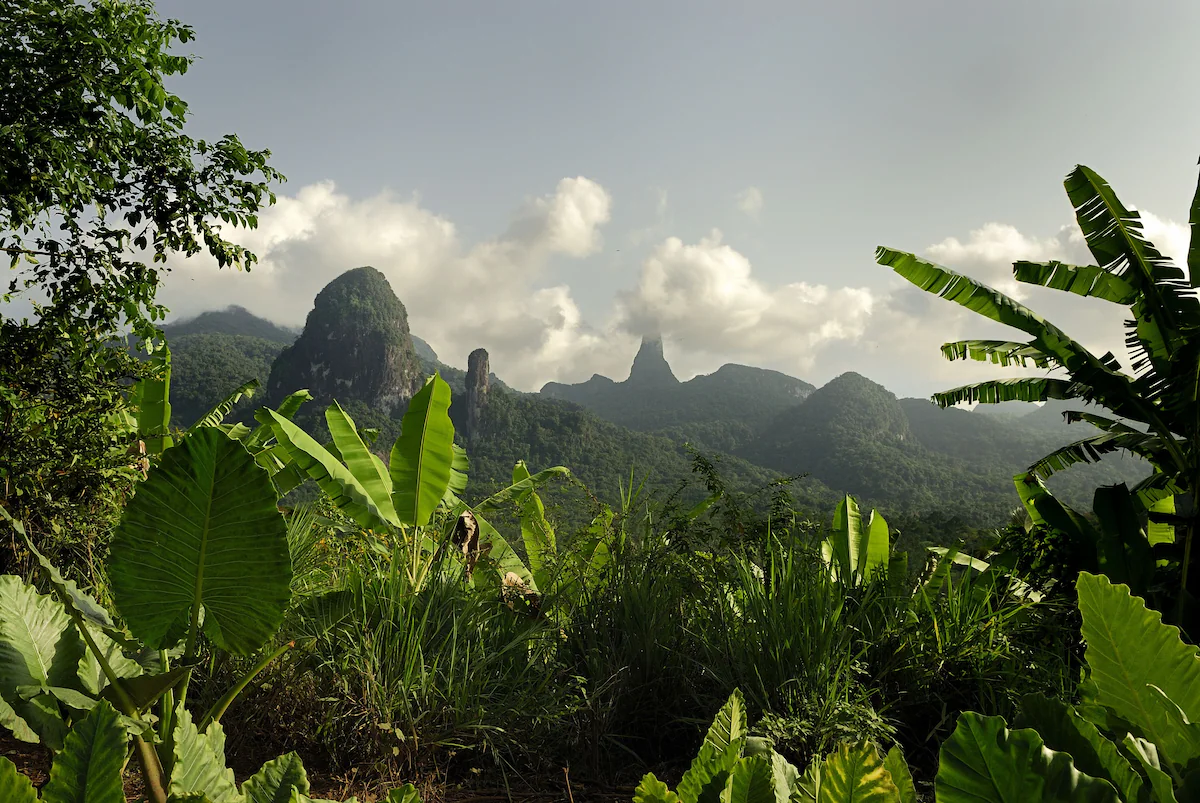
Visitors often come to Príncipe for its rainforest, volcanic peaks, endemic wildlife and pristine beaches. Increasingly, they are discovering another reason to visit: the opportunity to experience one of the world's newest UNESCO World Heritage Sites.

To stay at Belo Monte is not simply to spend the night in a beautifully restored plantation house. It is to walk through a place where cocoa once connected continents, where science changed our understanding of the universe, and where architecture, culture and nature continue to coexist in remarkable harmony.
Some destinations are defined by what they build.

Others by what they preserve.

The historic roças of São Tomé and Príncipe remind us that the most meaningful journeys are often those that deepen our understanding of the places we visit and the people whose stories have shaped them.

What do Time and Space really mean?

A change of perspective on the African island of Príncipe on the 70th anniversary of Einstein's death.

A British research team traveled to Príncipe in 1919 to measure the deflection of light during a...